Seçedil Dağı: A high-altitude 4x4 track in Artvin Province
Seçedil Dağı is a remote high-altitude mountain pass at an elevation of 2,821 meters (9,255 ft) above sea level in the Artvin Province of northeastern Turkey. Located in the Şavşat District, near the border with Georgia, this unpaved mountain track climbs directly through the steep slopes and sharp ridges of the Pontic Alps. It is one of the highest mountain roads of Turkey.
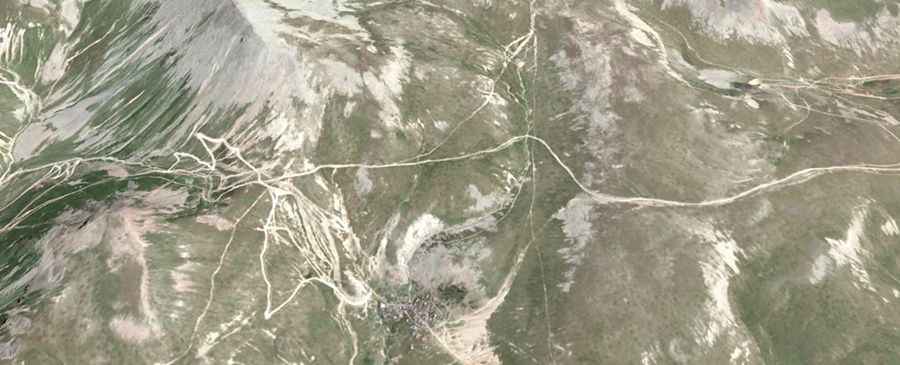
| Road facts: Seçedil Dağı | |
|---|---|
| Location | Şavşat District, Artvin (Turkey) |
| Elevation | 2,821 m (9,255 ft) |
| Length | 11 km (6.8 miles) from Pınarlı |
| Average Gradient | 8.9% |
| Surface | Unpaved (Loose gravel and dirt) |
How difficult is the road from Pınarlı to Seçedil Dağı?
The climb starts in the village of Pınarlı and covers 11 kilometers of rough, unpaved terrain, gaining 979 vertical meters with a stiff average gradient of 8.9%. The track consists of loose gravel and dirt that turns slick and greasy after summer storms. Climbing the nine sharp hairpin turns requires a 4x4 vehicle with a low-range gearbox to crawl up the steepest ramps without spinning the tires on the raw edge of the cliff.
Why do you need a 4x4 to cross the Seçedil Dağı pass?
The mountain lane is narrow, highly exposed, and has zero steel guardrails or concrete barriers. A rougher gravel track branches off the main pass and climbs west to a sub-summit at 2,930 meters (9,612 ft). This upper link is deeply rutted, and low cars will immediately smash their underbody or get beached in the dirt. Because it is an isolated border zone, a mechanical breakdown means waiting hours or days for help; drivers must carry extra fuel and recovery straps before leaving Pınarlı.
Is the Seçedil Dağı road blocked by snow in winter?
Set high in the Kaçkar Mountains, heavy snow buries the track for most of the year, closing the pass from late autumn until early summer. Even in July, massive snowdrifts pack the shaded hollows of the upper slopes. The spring thaw triggers frequent rockfalls and mud washouts that tear up the lane overnight. Sudden thunderstorms can turn the dry mountain gravel into a deep mud trap, making cars slide sideways on the narrowest bends.
How does the high altitude affect your vehicle on these slopes?
At nearly 3,000 meters high, the thin air suffocates the engine, cutting horsepower on the steep 8.9% ramps. Radiators boil easily during the slow, high-revving climb. On the way down, you must hold the vehicle back using engine braking in low gear; relying only on the footbrake will overheat the brake pads and cause complete brake fade on the long descent.