Driving the paved but high-altitude Yaylasuyu Geçidi
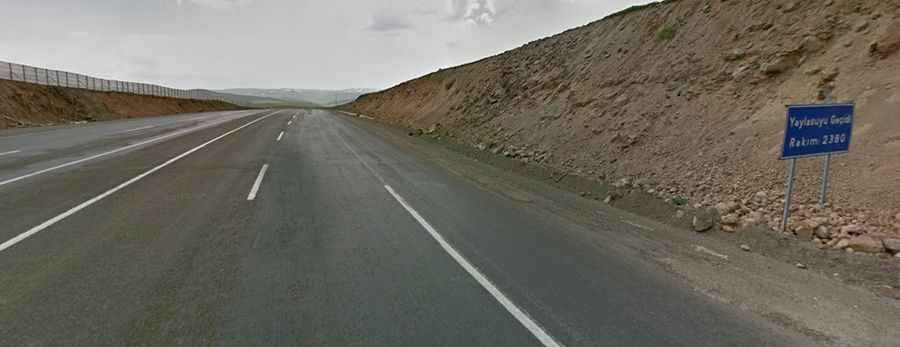
Yaylasuyu Geçidi is a high mountain pass reaching an elevation of 2,362 meters (7,749 ft) above sea level in the Erzurum Province of Eastern Anatolia, Turkey. Situated on the strategic D950 State Road, this pass connects the city of Erzurum with Çat. Although the entire 50-kilometer route is asphalted, the combination of thin mountain air and sustained steep gradients turns this drive into a mechanical challenge, especially for heavy transit vehicles and furgonetas that must navigate the extreme weather shifts of the Anatolian highlands.
| Road facts: Yaylasuyu Geçidi | |
|---|---|
| Location | Erzurum Province, Turkey |
| Elevation | 2,362m (7,749ft) |
| Length | 50 km (31 miles) |
| Route | D950 State Road |
How difficult is the drive through Yaylasuyu Geçidi?
The 50-kilometer journey through Yaylasuyu is a test of torque and gear management. The D950 is a wide, paved road, but the incline is relentless. Starting from Erzurum, the road climbs steadily toward the 2,362-meter summit. At this altitude, engines lose a significant percentage of their power due to the lack of oxygen. If you are driving a loaded vehicle, you will spend most of the ascent in lower gears, keeping a close eye on the temperature gauge as the motor fights the thin air. The road is often shared with heavy commercial furgonetas up and down the pass, requiring constant attention to speed and braking distance on the long, sweeping turns.
What are the main hazards on the D950 in Eastern Anatolia?
The primary hazard at Yaylasuyu Geçidi is the extreme winter weather. Erzurum is one of the coldest regions in Turkey, and the pass is frequently hit by violent blizzards and "black ice" that turns the asphalt into a skating rink. Even during the shoulder seasons, sudden storms can drop visibility to near zero. High winds are also a major factor; the open geography near the summit means that crosswinds can be strong enough to unsettle high-sided vehicles. Furthermore, the descent toward Çat requires precise engine braking. Relying too heavily on your brakes on these long slopes will cause them to overheat and glaze, especially when carrying heavy loads in the thin mountain atmosphere.
What mechanical prep is needed for the Yaylasuyu crossing?
Before leaving Erzurum, verify that your cooling system and antifreeze levels are perfect. The high-altitude climb puts a massive thermal load on the radiator, while the extreme winter temperatures require a high-quality coolant to prevent the system from freezing. Check your tire pressures and tread depth; the asphalt on the D950 is subject to heavy wear from truck traffic and can be slippery even in light rain. On the descent, use your transmission to hold the vehicle back and keep your brakes fresh for the unexpected. Carry a winter survival kit, extra fuel, and water, as getting stranded at 2,362 meters in a Turkish winter storm is a scenario where preparation is your only lifeline.