Road to Göksu Geçidi: Driving the 2,344m Paved Pass in Erzurum
Located in the Erzurum Province of eastern Turkey, Göksu Geçidi is a high mountain pass reaching an elevation of 2,344m (7,690ft) above sea level. Situated in the Eastern Anatolia region, the pass is a critical logistical link for regional transit, specifically for heavy vehicle traffic navigating between high-altitude districts under extreme weather conditions.
| Road facts: Göksu Geçidi | |
|---|---|
| Location | Erzurum Province, Turkey |
| Elevation | 2,344 m (7,690 ft) |
| Length | 25.0 km (15.53 miles) |
| Surface | Fully Paved (Asphalt) |
| Key Hazards | Severe blizzards and black ice |
How is the road to Göksu Geçidi?
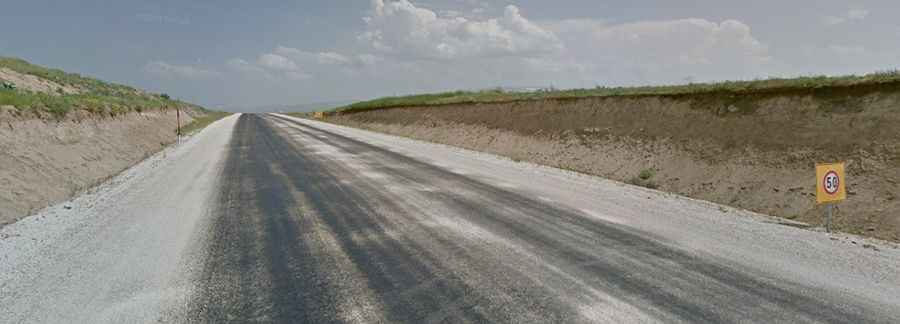
The road through Göksu Geçidi spans 25.0 km (15.53 miles), running north-south from Karayazı to the settlement of Göksu. Although the entire route is fully paved with asphalt, the climb is technically demanding due to its steep gradients. The road maintains a constant incline on several sections, requiring high-torque engine performance for heavy-duty trucks and commercial vehicles. The pavement is subject to significant thermal stress due to the altitude, which can lead to cracks and potholes that affect the vehicle's suspension and braking efficiency during the 25 km transit.
What are the main hazards on the Göksu Geçidi pass?
The primary hazards on Göksu Geçidi include severe winter storms and rapid ice formation. At 2,344m, the pass is exposed to the harsh climate of the Anatolian plateau. Blizzards can reduce visibility to near zero in minutes, and "black ice" is a frequent technical hazard on the steeper asphalt sections. Despite the paved surface, the road lacks extensive safety barriers in several high-altitude ramps. Drivers must also account for high-velocity crosswinds that can affect the stability of high-sided vehicles and trailers along the open ridges between Karayazı and Göksu.
Is the road to Göksu Geçidi open during the winter?
While the route is a primary road, Göksu Geçidi is frequently subject to temporary closures during heavy snowfalls. Maintenance crews are active, but the 2,344m elevation makes keeping the road clear a constant logistical challenge. Between November and April, winter tires and snow chains are mandatory for all vehicles. During the spring thaw, the asphalt can be slippery due to snowmelt and residual grit used for traction. There are no mechanical or refueling services at the summit; self-sufficiency is required for the entire 25.0 km stretch between the main urban centers.
How to drive the 25 km Göksu Geçidi route?
Driving Göksu Geçidi requires constant monitoring of the vehicle's braking system and gear selection. On the descent, engine braking is essential to prevent brake overheating on the sustained steep ramps. During the climb, maintain a steady gear to ensure consistent cooling and traction on the asphalt. In winter conditions, avoid sudden steering maneuvers to prevent loss of grip on icy patches. Before starting the 25 km transit, verify the integrity of the vehicle's heating and electrical systems, as temperatures at 2,344m in the Erzurum Province can drop significantly, affecting battery performance and fuel fluidity.