Driving the high altitude Ipek Geçidi in eastern Turkey
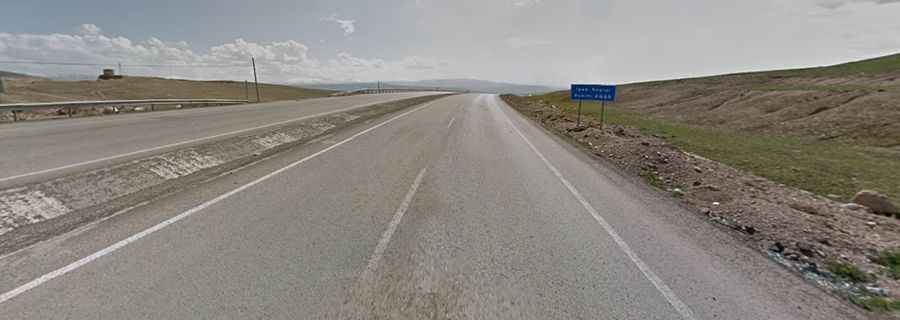
Ipek Geçidi is a high mountain pass that reaches an elevation of 2,025 meters in the Ağrı Province, at the easternmost edge of Turkey. Sitting on the D100 highway, which forms part of the European E80 route, this pass is one of the most critical transit points for heavy goods moving between Europe and Iran. While the road is fully asphalted, the high altitude and the extreme weather of eastern Anatolia make it a technical challenge for any vehicle, especially during the long winter months when the asphalt turns into a sheet of ice.
| Road facts: Ipek Geçidi | |
|---|---|
| Location | Ağrı Province, Turkey |
| Elevation | 2.025m (6,643ft) |
| Road Name | D100 / E80 |
| Length | 92.3 km (57.3 miles) |
How is the drive through Ipek Geçidi on the D100?
The journey through Ipek Geçidi spans 92.3 kilometers, linking the cities of Doğubayazıt and Ağrı. Although the road is a major international artery, it features several steep sections that test the torque of heavy vehicles and the cooling systems of smaller cars. The road is built to handle high volumes of traffic, but the sheer length of the climbs means your engine will be under sustained load for long periods. You need to be alert for slow-moving trucks that struggle with the gradients, as overtakes on these high-altitude stretches require a well-timed move and enough engine power to overcome the thin air at 2,000 meters.
What are the main hazards at Ipek Geçidi during winter?
The biggest threat on this route is the winter weather. Because of its proximity to the Iranian border and its high elevation, Ipek Geçidi is frequently hit by violent blizzards and extreme cold. The road can go from clear asphalt to a dangerous trap in minutes when the wind starts blowing snow across the lanes. Snow chains are often mandatory, and the pass is subject to temporary closures when the drifts become too deep for the plows to keep up. Even if the sun is out, black ice is a constant risk in the shaded sections of the pass, requiring a very smooth touch on the brakes to avoid a jackknife or a slide off the shoulder.
What mechanical prep is needed for crossing Ipek Geçidi?
Before tackling this 92-kilometer stretch, you must ensure your vehicle is ready for high-altitude stress. Check your antifreeze levels and the state of your battery; temperatures here can drop well below -20°C in winter, which will kill a weak battery instantly. On the long descents, especially when the road is wet or icy, do not rely on your service brakes. Use engine braking to maintain a safe speed and prevent your pads from overheating. The air is thinner at the summit, so naturally aspirated engines will feel gutless, and your fuel consumption will spike. It is a remote and rugged sector of Turkey, so keep your tank full and carry emergency supplies, as a breakdown in these mountains can leave you exposed to the elements for hours.