Driving the high altitude volcanic track to Ala Dağlar in Ağrı
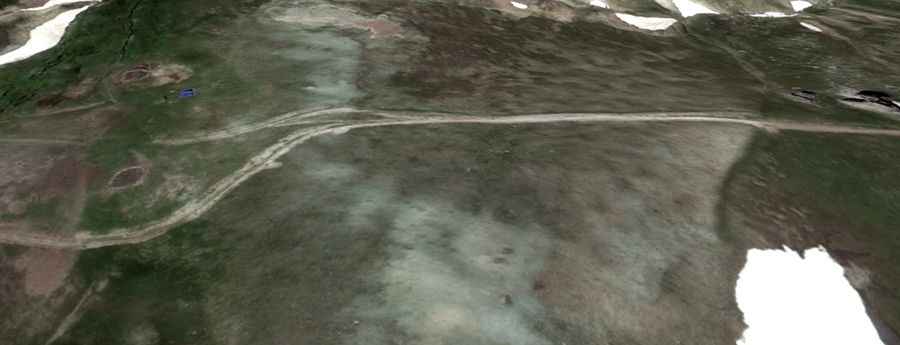
Ala Dağlar is a high mountain pass at an elevation of 3,001 meters (9,845 ft) above sea level in Ağrı Province, eastern Turkey. Traversed by an unpaved volcanic track near Mt. Tendürek, the route climbs through basalt fields and ash, ranking among the highest roads of Turkey.
| Road facts: Ala Dağlar | |
|---|---|
| Location | Diyadin / Tendürek area, Ağrı Province, Eastern Anatolia (Turkey) |
| Elevation | 3,001 m (9,845 ft) |
| Length | 11.2 km (6.95 miles) |
| Elevation Gain | 841 m (2,759 ft) |
| Average Gradient | 7.50% |
| Surface | Unpaved (Volcanic ash, fine dust, and sharp basalt rock) |
| Vehicle Required | High-clearance 4x4 with low range |
Where is the road to Ala Dağlar located?
The track is located in the southern region of Ağrı Province, near Diyadin. The 11.2-kilometer route gains 841 vertical meters across unpaved volcanic slopes to reach the 3,001-meter pass.
What are the driving conditions on the Ala Dağlar track?
The 11.2-kilometer trail is completely unpaved, consisting of fine volcanic ash, loose dirt, and embedded basalt stones. The average gradient is 7.50%. High ground clearance and a low-range 4x4 are required to maintain traction on soft ash ramps and avoid undercarriage impacts on exposed rock ledges.
What hazards exist on the route to Ala Dağlar?
Sharp basalt stones pose severe tire sidewall cut risks, while fine volcanic dust reduces traction. The single-lane mountain track lacks guardrails and features narrow passing spots. Driving at 3,001 meters causes engine power loss, and long descents require engine braking to prevent brake pad glazing.
Is the road to Ala Dağlar open in winter?
No. At an elevation of 3,001 meters, heavy snow, severe ice, and drifting block the track throughout the winter and spring, making the pass impassable from late autumn through June.