Soğanlı Geçidi: Driving the technical D915 pass in Bayburt
Soğanlı Geçidi is a high mountain pass at an elevation of 2,372 meters (7,782 ft) above sea level, located in the Bayburt Province of northeastern Turkey. The road to the summit is a critical sector of the Bayburt Of Yolu-D915, a technical unpaved track that scales the Pontic Mountains. The physical reality of driving this pass involves managing 13 sharp hairpin turns on a narrow, rocky ledge where the lack of safety barriers and the constant threat of thick fog make every meter a logistical challenge for the vehicle's traction and the driver's focus.
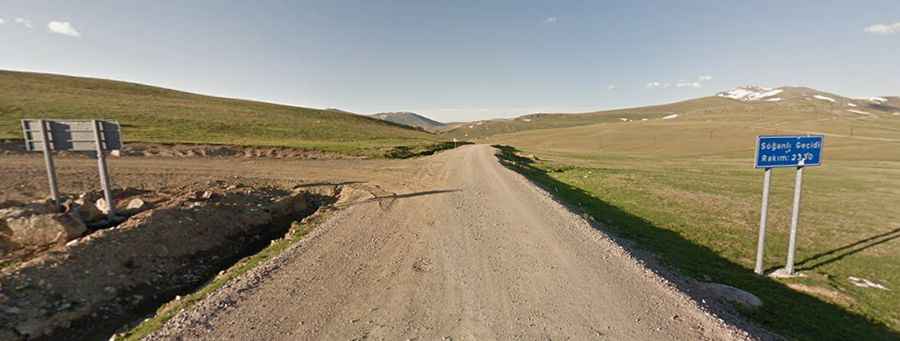
| Road facts: Soğanlı Geçidi (D915) | |
|---|---|
| Location | Bayburt Province, Turkey |
| Elevation | 2,372m (7,782ft) |
| Length | 7.8 km (4.8 miles) from Kılıçkaya |
| Elevation Gain | 594 meters |
How challenging is the 7.8km climb to Soğanlı Geçidi?
The journey from Kılıçkaya is a high-intensity mechanical test. Scaling 594 meters of vertical gain in less than 8 kilometers requires a vehicle with high ground clearance and excellent low-end torque. The logistics of the drive are defined by 13 sharp hairpin turns where the surface is composed of loose shale and dirt. On these ramps, the car's weight shifts constantly, and the lack of oxygen at 2,372 meters means your motor will lose significant power precisely when you need to maintain momentum to avoid spinning the tires on the unstable mountain roadbed.
What are the hazards on the unpaved D915 mountain pass?
The primary hazard on the Soğanlı Geçidi is the combination of extreme vertical exposure and unpredictable weather. The track is exceptionally narrow, carved directly into the cliffside with deep, unprotected drops. The physical reality of the D915 is that it’s often engulfed in a thick "sea of clouds" (boira) that reduces visibility to just a few meters, making the 13 hairpins almost impossible to navigate without total concentration. Sudden rain or snowmelt can turn the loose gravel into a slippery slurry, making the 7.6% average gradient a traction nightmare where even a 4x4 can struggle to hold its line.
Is the road to Soğanlı Geçidi open year-round?
Accessibility is strictly seasonal. Due to its high elevation in the northeastern Anatolia region, the pass is usually blocked by deep snow and ice from late autumn until well into the spring. Even in June, you can encounter massive snowbanks that reduce the track to a single narrow lane. The logistics of the descent are critical; relying only on the brakes for 7.8 kilometers of unpaved drop will glaze the pads and boil the fluid in minutes. You must use engine braking and low gears to manage the car’s weight as you wind down toward the abandoned buildings near the summit.
What mechanical prep is needed for the 2,372m Bayburt climb?
Before heading up the D915, verify that your cooling system is flushed and the fan is operational; the low-speed climb will push the motor's temperature to the limit. Check your brake fluid and pad thickness, as the descent is a relentless grind on the calipers. Your tires must be heavy-duty All-Terrain with reinforced sidewalls to handle the sharp rocky debris that litters the Soğanlı track. Carry extra fuel, water, and professional recovery gear, as the isolation in this part of Bayburt is total. In the Pontic Mountains, your car's mechanical health is the only thing standing between you and the harsh reality of the high-altitude ledge.