Driving the high altitude Pasli Geçidi on the D965 road
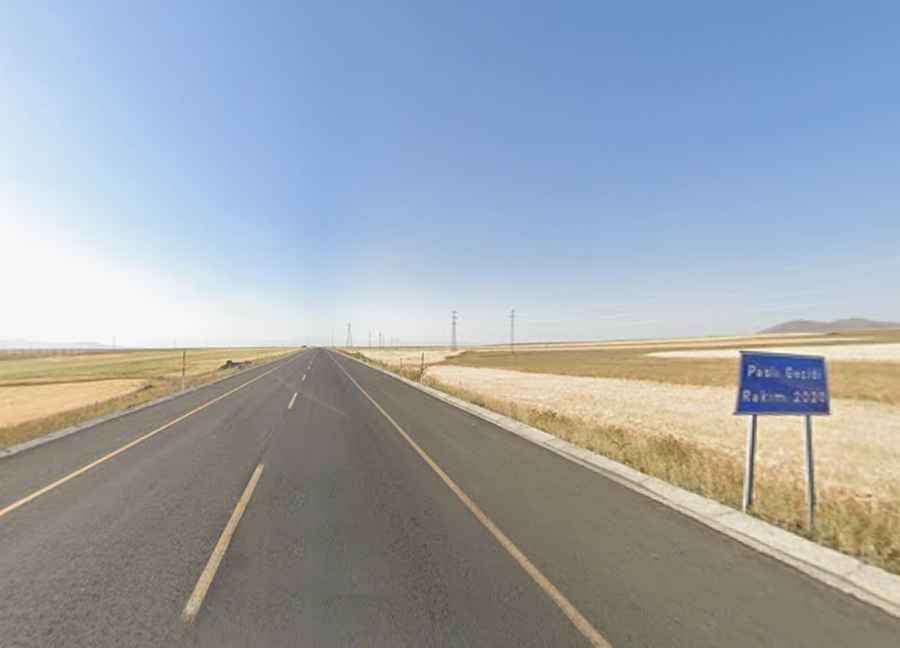
Pasli Geçidi is a high mountain pass reaching an elevation of 2,020 meters in the Kars Province of eastern Turkey. Sitting on the D965 highway, this pass is a critical link between the high plateaus of Kümbetli and the deep valleys of Kağızman. While the road is fully paved, it is far from a standard highway drive; it is a route of extremes where the smooth asphalt of the plains quickly gives way to steep, broken sections that test the cooling systems and brakes of any vehicle crossing the Eastern Anatolia region.
| Road facts: Pasli Geçidi | |
|---|---|
| Location | Kars Province, Turkey |
| Elevation | 2,020m (6,627ft) |
| Road Name | D965 |
| Length | 51.5 km (32 miles) |
What are the road conditions on the D965 through Pasli Geçidi?
The 51.5-kilometer journey is a game of two halves. From the north, the road is generally in good condition, allowing for a steady pace across the high-altitude fields. However, as you approach the village of Paslı and begin the descent toward Kağızman, the situation changes. The asphalt here is much older and frequently damaged by the extreme freeze-thaw cycles of the Turkish east. You will encounter steep ramps where the road surface is cracked or sunken, requiring a firm grip on the wheel to manage the vibrations and sudden dips that can easily bottom out a loaded vehicle.
How challenging is the descent to Kağızman?
The drop from the 2,020-meter summit toward Kağızman is where the real mechanical work happens. The road features several steep sectors that put a massive load on your braking system. Unlike the flatter plateaus of Kars, this section is twisty and confined by the rugged topography of the Aras River basin. You need to be alert for heavy trucks and local furgonetes that often use the entire width of the lane to maintain momentum on the climbs. The thin air at the summit means your engine will lose torque, so overtakes on the uphill sections must be planned with a wide margin of safety.
What are the main hazards at Pasli Geçidi during winter?
The biggest danger on this route is the brutal winter season of Eastern Anatolia. Pasli Geçidi is highly exposed to the elements, and snowstorms can bury the D965 in hours. Even when the snow plows are active, the road is prone to black ice, especially in the shaded sections near the cliffs. The wind on the high plateau can create blinding whiteouts, making it impossible to see the edges of the tarmac. If you are crossing this pass between October and May, carrying snow chains is not optional—it is a survival requirement. Sudden rockfalls are also common in the steeper sections near Kağızman after heavy rains or snowmelt, often leaving large stones right in the middle of the driving line.
What mechanical prep is needed for Pasli Geçidi?
Before starting this 51-kilometer crossing, verify the state of your tires and your cooling system. The sustained climbs and the high-altitude environment will push your radiator to its limit, especially during the summer months when the sun beats down on the open plateau. On the long, steep descents toward the south, do not rely on your service brakes alone; stay in a lower gear and let engine braking handle the weight to prevent the pads from glazing over. It is a remote sector with limited services between the main hubs, so keep your fuel tank topped up and carry basic emergency supplies, as a breakdown at 2,000 meters in Kars can leave you stranded in harsh conditions for a long time.