How to drive to Anamas Plateau in the Taurus Mountains?
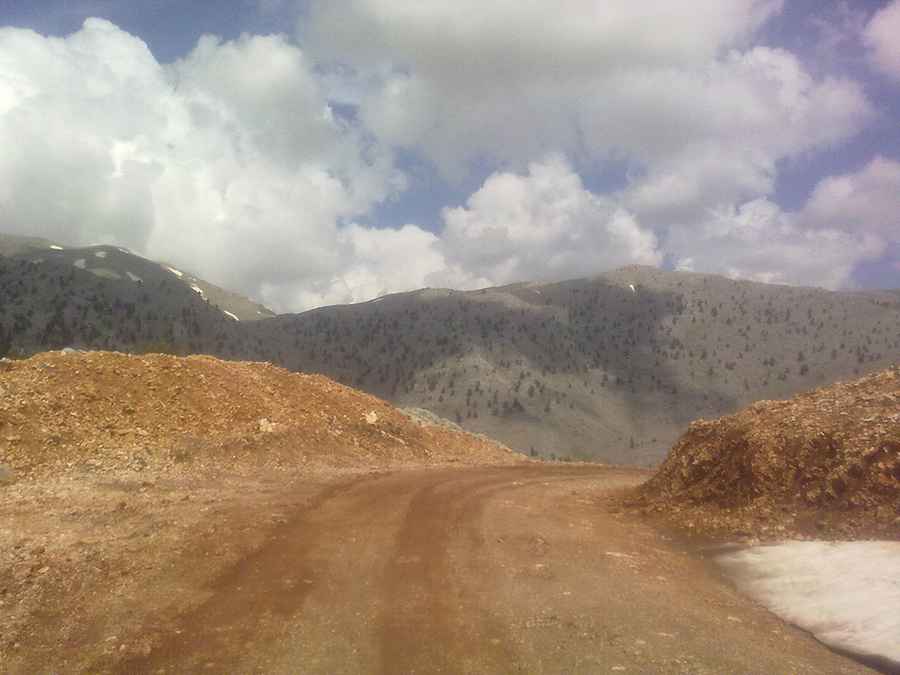
Anamas Plateau (Anamas Yaylası) is a mountain plateau at an elevation of 2,000 meters (6,500 ft) above sea level in the Taurus Mountains, located in Isparta Province, Turkey. The summit is accessed via the Çayır Plateau Road (Çayır Yaylası Yolu), an unpaved mountain route that climbs from Aksu into the high pastures.
| Road facts: Anamas Plateau | |
|---|---|
| Location | Aksu, Isparta Province, Mediterranean Region (Turkey) |
| Elevation | 2,000 m (6,500 ft) |
| Road Name | Çayır Yaylası Yolu |
| Length | 22.2 km (13.8 miles) from Aksu |
| Surface | Unpaved (Hard-packed dirt, clay, and loose gravel) |
| Vehicle Required | High-clearance 4x4 recommended |
Where is the road to Anamas Plateau located?
The climb starts in Aksu, in the eastern sector of Isparta Province. The 22.2-kilometer Çayır Plateau Road ascends through pine forests and limestone crags of the Taurus range to reach the 2,000-meter plateau.
What are the driving conditions on Çayır Yaylası Yolu?
The 22.2-kilometer trail is completely unpaved, alternating between hard-packed dirt, loose gravel, and clay. The single-lane route features narrow sectors with limited turnout points for passing oncoming tractors or logging trucks. Rain turns the red clay surface into slick mud, making a 4x4 necessary for traction.
What hazards exist on the road to Anamas Plateau?
The mountain path lacks roadside guardrails along open drops. Narrow timber and concrete bridges crossing stream beds require precise clearance. Dry summer dust conceals sharp rocks that pose tire puncture risks, while livestock often block blind hairpin corners.
Is the road to Anamas Plateau open in winter?
Heavy snowfall in the Taurus Mountains frequently blocks higher sectors of the track from December through March. Ice forming under loose gravel makes the steep switchbacks hazardous, requiring local weather checks in Aksu before attempting the drive.
Pic: cılgın