Driving the rugged road network from Istanbul to the Turkish coasts
Driving in Turkey is a full-contact sport that takes you from the clogged, high-pressure streets of Istanbul to the steep, sun-baked cliffs of the Mediterranean coast. The road network is a mix of ultra-modern toll highways and crumbling mountain tracks where the asphalt can melt under the summer heat. Whether you are crossing the Bosphorus or pushing a vehicle along the jagged edges of the D400, you need to be ready for aggressive moves from local trucks and surfaces that change from smooth to broken without any warning.
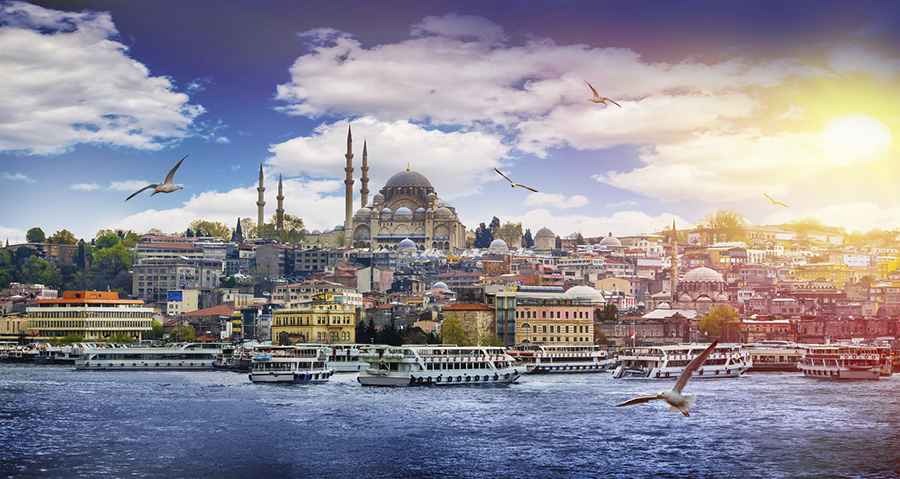
| Road facts: Turkey Coastal Routes | |
|---|---|
| Main Artery | D400 (Mediterranean Coast) |
| Toll System | HGS (Electronic Sticker) |
| Major Risk | Heavy congestion & steep coastal drops |
| Surface | Asphalt / Loose gravel in bypasses |
What is it like to drive in the chaos of Istanbul?
Istanbul is a grinding machine for your brakes and your patience. Crossing from Europe to Asia via the bridges or the Eurasia Tunnel is a constant fight for every meter of tarmac. You must have an HGS sticker on your windshield, or the toll gates will flag your plate immediately. The real work happens in the side streets, where the gradients are incredibly steep and the corners are so tight that you might have to shunt back and forth just to clear a turn. Watch out for the local furgonetes that stop anywhere without warning; if you are not riding the brake pedal, you will end up with a crumpled bumper in seconds.
How challenging is the D400 highway along the coast?
The D400 is the main road that hugs the coast toward Antalya, and it is a technical beast. While many parts have been widened, you still face long sectors where the road clings to the side of the mountains with massive vertical drops into the sea. The curves are sharp, and the heat often makes the asphalt "weep" oil, creating a slick surface that can catch you out in a heartbeat. You will be sharing these narrow lanes with heavily loaded trucks that crawl up the inclines, forcing you to time your overtakes with extreme care. Your cooling system needs to be in top shape, as the combination of steep climbs and 40-degree heat will push any radiator to its limit.
What are the main hazards on the road to Bodrum?
The final drive into the Bodrum peninsula leaves the main highways behind and puts you on narrow, winding roads that follow the jagged coastline. The ground here is often covered in fine dust and loose gravel from constant construction work, which can wreck your windshield or rob you of traction in a tight bend. Local driving culture is fast and unpredictable; expect vehicles to pull out of dirt tracks or make U-turns where you least expect it. It is a slow, high-alert drive where you need to listen to your engine and keep a firm grip on the wheel to handle the sudden changes in the road surface.
What should you check before a long trip across Turkey?
Before you hit the long stretches between cities, you need to check your tires and your spare. The heat on Turkish roads is brutal on rubber, and blowouts are common on the high-speed sectors of the O-series motorways. Always keep your documents and passport handy, as you will run into checkpoints where the Jandarma will pull you over to check the vehicle's papers. Fuel is easy to find at the big service stations, but in the mountain passes, the gaps between pumps grow fast. If you are heading off the main track, make sure your undercarriage is protected, as the rocks on the secondary dirt roads are sharp and ready to slice through a fuel line or an oil pan.
Image credit: Depositphotos