Driving the high altitude track to Köse Dağı in Sivas
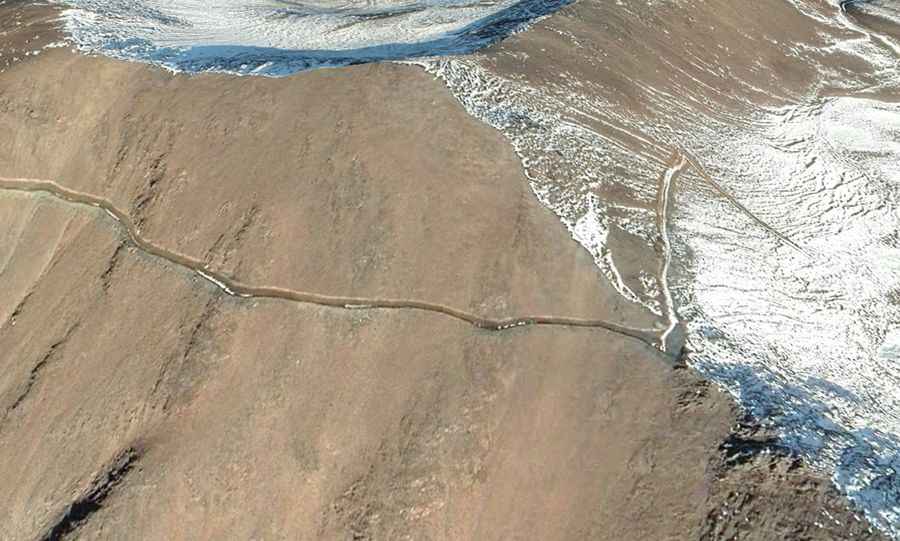
Köse Dağı is a massive peak that reaches an elevation of 2,932 meters in the Sivas province of eastern Turkey. This is one of the highest tracks in the country, sitting right on the rugged boundary with Erzincan. The road to the summit is a raw mountain path that was never intended for anything but serious off-road machinery. It is a slow, grinding climb through a landscape of barren rock and high-altitude scree where the air is thin and the terrain is constantly shifting due to the extreme weather that hits this part of Turkey for most of the year.
| Road facts: Köse Dağı | |
|---|---|
| Location | Sivas Province, Turkey |
| Elevation | 2,932m (9,619ft) |
| Length | 10 km (6.2 miles) |
| Average Gradient | 9.48% |
How difficult is the drive to the summit of Köse Dağı?
The ascent from Kızılmezra is a brutal 10-kilometer test of your vehicle's drivetrain. With an elevation gain of nearly 1,000 meters, the average gradient is a persistent 9.48%. The road is entirely unpaved and becomes dangerously narrow in the higher sections, leaving almost no room for error. You need a high-clearance 4x4 to handle the ruts and the large stones that litter the track. If your vehicle doesn't have a low-range gearbox, you will likely boil the radiator or burn out the clutch long before you reach the summit area, where the source of the Kızılırmak River begins its journey across Turkey.
What is the road surface like on Köse Dağı?
The ground is a mix of loose shale and hard-packed dirt that turns into a slick trap after a storm. This is one of the highest mountain roads in Turkey, and the surface is constantly beaten by high winds and freezing temperatures. In many sectors, the edges of the track have crumbled away, making the narrow passages feel even tighter. You have to be extremely careful with your tire placement; the volcanic rocks are sharp and can easily slice through a sidewall if you are not running heavy-duty tires. It is a remote drive where you are on your own, and the lack of oxygen at nearly 3,000 meters means your engine will be struggling for power the entire time.
What are the main risks when driving to Köse Dağı?
The primary hazard is the exposure and the isolation. There are no safety barriers, and the drops into the valleys are deep and vertical. Accessibility is strictly limited to the height of summer, as snow can block the path even in late June. If you meet another vehicle on the narrowest ramps, someone is going to have to reverse along the cliff edge until a wide enough spot is found. You also need to watch for sudden rockfalls that can block the track without warning. On the way down, the steepness of the terrain means your brakes are at constant risk of fading; relying on engine braking is mandatory to keep the weight of the vehicle under control on these loose, technical descents.