Abdal Boğan Geçidi: Driving the high-altitude D850 in Sivas
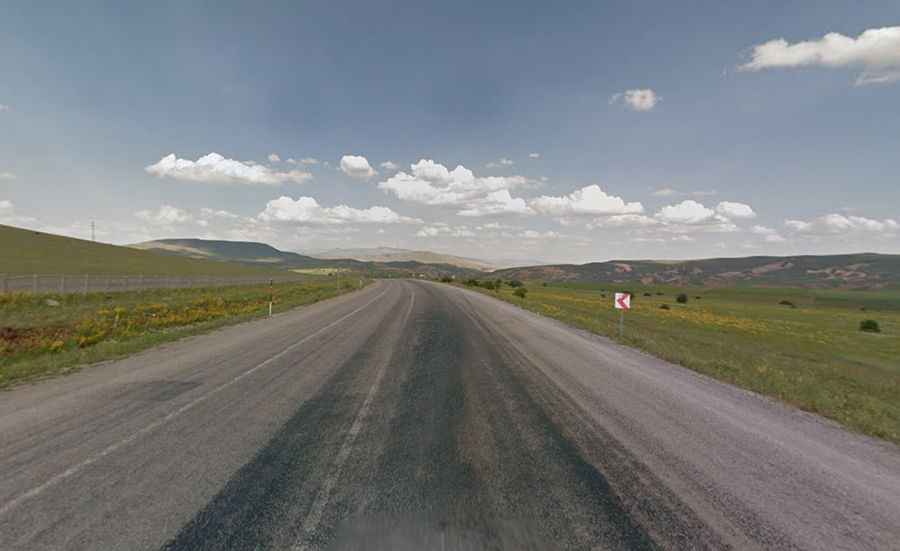
Abdal Boğan Geçidi is a high mountain pass at an elevation of 1,750 meters (5,741 ft) above sea level, located in the Sivas Province of central Turkey. Situated on the D850 highway (Hekimhan-Kangal Yolu), the pass is a critical logistical link between Sivas and Malatya. The physical reality of driving this route involves managing a weathered asphalt surface that suffers from significant thermal fatigue, where the combination of high altitude and sustained inclines tests the vehicle's torque and stability through the desolate landscapes of Anatolia.
| Road facts: Abdal Boğan Geçidi (D850) | |
|---|---|
| Location | Sivas Province, Turkey |
| Elevation | 1,750m (5,741ft) |
| Length | 58.2 km (36.1 miles) |
| Max Gradient | 7.0% |
How challenging is the D850 climb to Abdal Boğan Geçidi?
The 58.2-kilometer journey from Kangal to Hasancelebi is a test of mechanical endurance. While the road is paved, the asphalt is in poor condition in several sectors, with a rough texture that increases tire wear and rolling resistance. The climb features ramps hitting a 7% gradient that, while not extreme, become a struggle for loaded vehicles at 1,750 meters. At this altitude, the engine's air intake is less efficient, causing a noticeable drop in power precisely when you need to maintain momentum on the long, exposed straights that define this part of the Sivas-Malatya run.
What are the hazards on the Abdal Boğan mountain pass?
The primary hazard on Abdal Boğan Geçidi is the unpredictable weather and the high-vibration environment. The pass is totally exposed to the fierce winds of Central Anatolia, which can push high-sided vans and trucks sideways without warning. The physical reality of the surface includes ruts and "washboard" ripples caused by heavy truck traffic, which can catch the steering and compromise control during rain or snowmelt. In winter, the D850 often becomes a nightmare of black ice and drifting snow, requiring total mechanical focus to avoid sliding off the shoulder into the deep embankments that line the highway.
What is the logistical reality of the Sivas-Malatya highway?
Crossing the Abdal Boğan Geçidi requires a vehicle that can handle long, sustained high-rev climbs. The logistics of the route are dominated by the distance between fuel points and the isolation of the high plateau. The descent requires careful use of engine braking to avoid glazing the pads on the longer 7% drops toward Malatya. Even though it is a main highway, the asphalt is often littered with gravel and debris from the surrounding red hills, which can easily crack a windshield or puncture a tire that is already under stress from the heat and the altitude.
What mechanical prep is needed for the 1,750m Sivas climb?
Before heading out on the Hekimhan-Kangal Yolu, verify that your tires have the correct pressure and plenty of tread to handle the coarse, weathered asphalt. Check your cooling system and air filter; the fine dust of the Anatolian plains will clog the intake and make the engine run hot during the climb. Ensure your battery and alternator are in top shape, as the cold winds and high-altitude starts put an immense load on the electrical system. Carry extra water and a basic toolkit, as a simple failure like a snapped belt can leave you stranded in a very isolated part of central Turkey where help can be hours away.