How to drive the 28 hairpins to Singer Dağı in Eastern Turkey
Singer Dağı is a high mountain pass at an elevation of 2,843m (9,327ft) above sea level, located in Turkey. The road to the summit has extreme gradients and 28 tight hairpin turns.
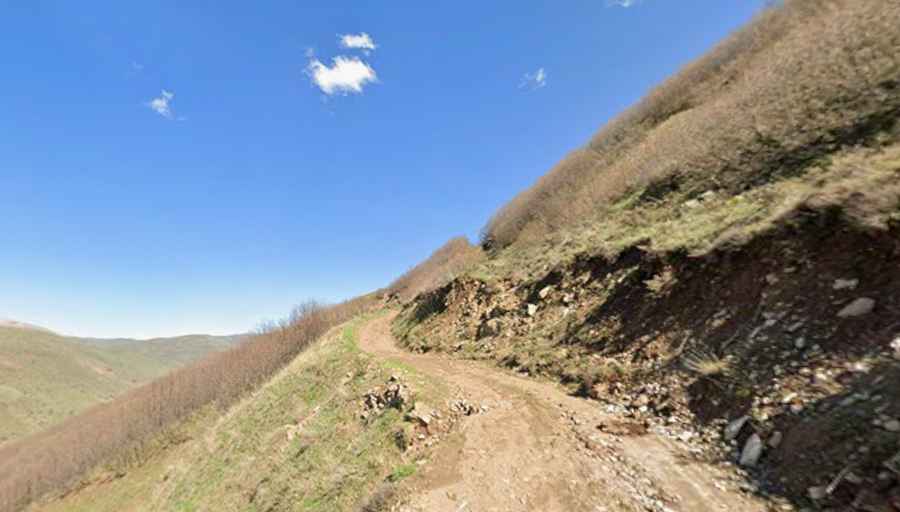
| Road facts: Singer Dağı (Kuskunkıran) | |
|---|---|
| Location | Bitlis / Van Border (Turkey) |
| Elevation | 2,843 m (9,327 ft) |
| Length | 23 km (14.3 miles) |
| Max Gradient | 18% |
| Hairpin Turns | 28 Switchbacks |
| Surface | Unpaved / Loose scree and dirt |
Where is Singer Dağı?
The pass is located south of Lake Van, in the Bitlis-Van border region, in the eastern part of the country.
How long is the road through Singer Dağı?
The road through the pass is 23 km (14.3 miles) long, running between Koruklu and Kolludere.
Is the road to Singer Dağı unpaved?
The road through the pass is totally unpaved (loose stones and dirt), very narrow without safety barriers. It features 28 sharp hairpin turns with ramps hitting an 18% gradient. A high-clearance 4x4 with low-range vehicle is recommended.
Is the road to Singer Dağı open in winter?
Due to its summit altitude of 9,327ft in Eastern Anatolia, Singer Dağı remains impassable due to heavy snowpack for most of the year. The pass is typically closed from late October until late June. Even during the summer (July to September), rapid weather shifts can turn the 23 km dirt track into a mud-traction hazard.