The dark galleries of Lac de Mauvoisin: A tunnel carved into the Alps
Located at the head of the Val de Bagnes in the Swiss canton of Valais, the Mauvoisin Dam (Barrage de Mauvoisin) is not only one of the highest arched dams in Europe but also home to one of the most atmospheric tunnel drives in the Alps. The service galleries that skirt the Lac de Mauvoisin offer a raw, unpolished experience through the heart of the mountain.
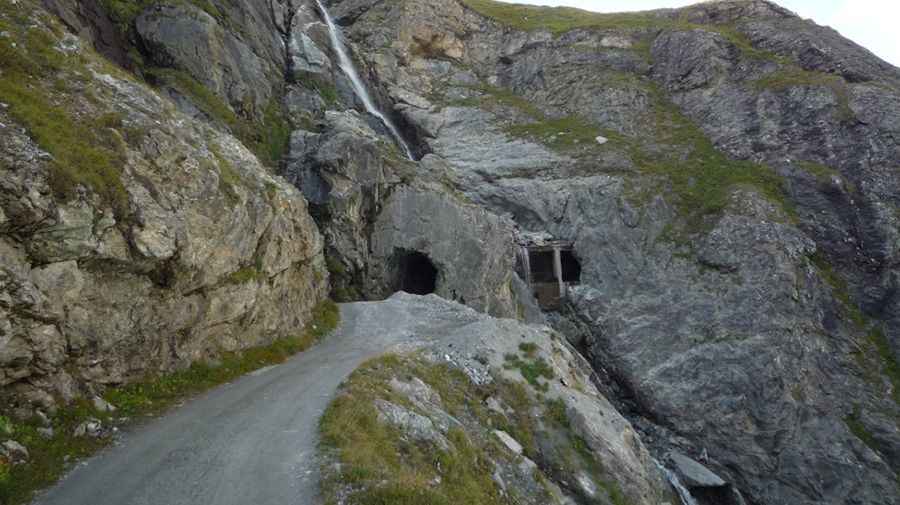
The entrance to the main tunnel is marked by a somber site: the Arbeiterdenkmal. This monument pays tribute to the workers who lost their lives during the grueling construction of the dam between 1951 and 1958. Once you pass this stone memorial, the paved road ends and the journey into the dark, rocky galleries begins. These tunnels were designed for dam maintenance and to provide access to the remote Cabane de Chanrion, but today they are a magnet for thrill-seekers.
| Road facts: Mauvoisin Dam Tunnels | |
|---|---|
| Location | Val de Bagnes, Valais, Switzerland |
| Elevation | 1,976 m (6,483 ft) at the crest |
| Tunnel Length | ~400m (Main gallery) |
| Lighting | None (Total darkness) |
| Surface | Rough Rock / Unpaved gravel |
How dangerous is the tunnel at Lac de Mauvoisin?
Driving or cycling through these galleries is a daunting task. The tunnels are completely unlit, meaning you are plunged into absolute darkness the moment you leave the entrance. The interior is notoriously damp, with water constantly dripping from the ceiling, making the unpaved gravel floor slippery and unpredictable. High-powered lights are a survival requirement here.
The tunnels are extremely narrow, built with just enough clearance for specialized maintenance vehicles. For the general public, motorized access is strictly regulated, but for mountain bikers and hikers, it remains a legendary route. The most vertigo-inducing feature is the series of rock-cut windows: large openings in the tunnel wall that look out over the turquoise waters of the lake hundreds of meters below. These openings have no safety glass or modern railings, just the raw, jagged edge of the mountain.
What to expect when exploring the Mauvoisin galleries?
The main gallery starts at the top of the dam (the crest) and runs for about 400 meters before emerging back into the open air, only to dive into more tunnels further along the lake. The air inside is cold even in the height of summer, and the echo of dripping water creates an eerie atmosphere. It is a journey that requires a steady hand and a lack of vertigo.
Due to the high altitude (nearly 2,000 meters), the access road to the dam and the tunnels is usually impassable during the winter months due to heavy snow and avalanche risk. The best time to visit is from late June to early October. It is a place where engineering meets the brutal force of the Alps, offering a glimpse into the hidden infrastructure that keeps one of Switzerland’s largest reservoirs functioning.
Beyond the darkness: Reaching the Pont du Lancet
If you manage to navigate the dark galleries, the adventure is far from over. The track continues to skirt the eastern shore of the lake, leading you deeper into a landscape of rock and ice towards the Pont du Lancet. This bridge, located at the far southern end of the reservoir, serves as the critical link between the two shores of the lake and marks the transition from the dam infrastructure to the wild, high-altitude terrain of the Dranse de Bagnes river.
Reaching the Pont du Lancet is a test of endurance. The path between the tunnels and the bridge is highly exposed to the elements and frequent rockfalls from the towering peaks above. The bridge itself sits in a dramatic basin where glacial meltwater roars beneath the structure during the spring thaw. It is the only point that allows travelers to cross the water and begin the steep ascent toward the Cabane de Chanrion or attempt the full circuit back along the even more remote western bank.
The atmosphere at the bridge is noticeably different from the dam crest; the air is colder, and the silence is only broken by the sound of waterfalls cascading down the sheer cliffs. Due to the shadows cast by the Grand Combin massif, this area receives very little sunlight, meaning ice and frost can linger on the bridge long into the summer months. It is the ultimate turnaround point for those exploring the Val de Bagnes by bike or on foot, offering a raw look at the power of the Swiss Alps.
Pic: http://jujunette-des-alpages.com/2012/09/12/suite-du-pont-du-jeune-genevois-9-et-10-septembre/