Driving the narrow and steep gravel road to Aurafreida
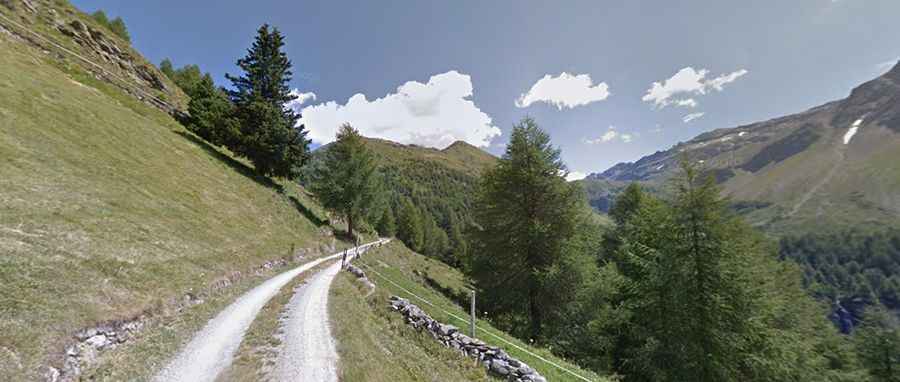
Aurafreida is a high-altitude mountain pass sitting at 2,160 meters above sea level in the Bernina district of the Swiss canton of Graubünden. This is not a road for the casual traveler; it is a technical Alpine track that starts with a deceptive stretch of asphalt before turning into a raw, narrow ribbon of white gravel. Tucked south of the famous Bernina Pass, Aurafreida is a test of spatial awareness and gear management, where the mountainside drops away sharply and the track is often scarcely wide enough for a single vehicle.
| Road facts: Aurafreida | |
|---|---|
| Location | Bernina District, Graubünden, Switzerland |
| Elevation | 2,160m (7,086ft) |
| Length | 2.5 km (1.5 miles) |
| Average Gradient | 8.32% |
How difficult is the road to Aurafreida?
The 2.5-kilometer climb from Road 29 is a concentrated exercise in precision driving. While the 8.32% average gradient sounds manageable, the reality on the ground is much harsher. As seen in the Alpine terrain, the road turns from paved to loose gravel without warning, significantly reducing traction on the steep ramps. The track is so narrow that in many sections, wing mirrors are practically brushing the vegetation or the rock face. There is zero room for error; if you meet another vehicle, the logistics of the situation turn into a nightmare. One driver will be forced to reverse for hundreds of meters—or even kilometers—along a winding, ledge-like road to find a spot wide enough to pass. If you are not an expert at high-speed reversing on gravel, don't even attempt this route.
What are the main hazards when driving in the Bernina district?
The primary hazard at Aurafreida is the combination of extreme narrowness and the lack of safety infrastructure. There are no guardrails to stop a vehicle from sliding down the steep grassy slopes that line the track. During the spring snowmelt or after a heavy Alpine storm, the white gravel can become soft and unstable, increasing the risk of the edge of the road collapsing under the weight of a heavy 4x4. At 2,160 meters, the weather is unpredictable; sudden mist can drop visibility to zero, making it impossible to see the edge of the track or any oncoming hikers. The isolation is also a factor; once you leave the main Road 29, you are in a high-altitude zone where mechanical help is far away and cell service can be spotty at best.
What mechanical prep is needed for the Aurafreida climb?
Before leaving the paved Bernina Pass area, ensure your vehicle's cooling system and tires are in top condition. The 208-meter elevation gain over such a short distance means your engine will be working hard at low speeds with minimal airflow to the radiator. Keep a constant eye on the temperature gauge. On the descent, do not ride your brakes. The combination of the 8.3% slope and the loose gravel surface will cause your pads to overheat and lose their bite instantly. Stay in a low gear and let engine braking hold the vehicle back. Check your tire sidewalls for any cuts from jagged Alpine limestone. Carry extra water and warm clothing, as the temperature at 2,160 meters can plummet within minutes, turning a sunny drive into a sub-zero survival situation.