Tiarms Pass: A Brutal 18% Gravel Climb in the Swiss Alps
Tiarms Pass (locally known as Cuolm de Vi) is a high mountain pass at an elevation of 2,161m (7,089ft) above sea level, located in central Switzerland. Positioned above the famous Oberalp Pass, it offers a rugged, high-altitude experience far away from the smooth asphalt of the main alpine routes.
Where is Tiarms Pass?
The pass sits on the boundary between the cantons of Graubünden and Uri. It is part of the Glarus Alps and provides a breathtaking panoramic view of the Surselva valley. The pass is often overshadowed by its famous neighbor, the Oberalp Pass, but it is a hidden gem for off-road enthusiasts and hikers.
| Fact | Details |
|---|---|
| Elevation | 2,161m (7,089ft) |
| Local Name | Cuolm de Vi / Tiarms Pass |
| Max Gradient | 18% |
| Distance | 1.1 km from Oberalppass |
| Access | Unpaved / Restricted sections |
| Location | Graubünden / Uri, Switzerland |
Is the Road to Tiarms Pass Unpaved?
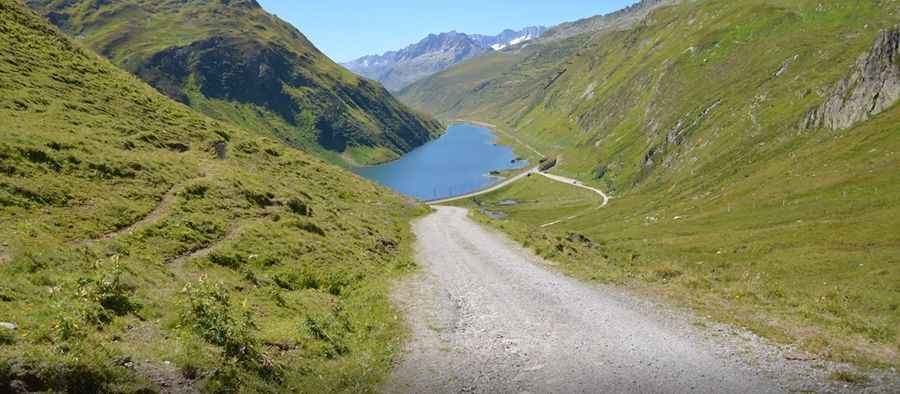
The road to the summit is a primitive gravel track, and it is considered one of the steepest short climbs in the region.
- The Surface: A rough, loose gravel path that requires excellent traction.
- The 18% Ramp: The final stretch is notorious for its "brutally steep" sections. Near the top, there is a steel wire across the track. This is typically used for livestock management (Alp management), but travelers should be aware that motorized access is strictly regulated in Swiss alpine zones.
- Vehicle Requirements: A high-clearance 4x4 vehicle is mandatory if you have authorization to drive, but it is primarily explored by mountain bikers and hikers due to environmental protections.
How Long is the Climb to Tiarms Pass?
Starting from the summit of the Oberalppass (2,044m), the road is only 1.1 km (0.68 miles) long. However, do not be fooled by the short distance:
- Elevation Gain: 111 meters.
- Average Gradient: 10.09%.
- Maximum Gradient: 18% on the final approach.
Seasonal Access and the Oberalp Lighthouse
Set high in the Swiss Alps, the pass is buried under snow for most of the year. It is generally only accessible from late June to October. Interestingly, the start of the climb is near the highest lighthouse in the world, a replica of the "Hoek van Holland" lighthouse that marks the source of the Rhine river nearby.
Pic: Anton Kälin