How to drive the high-altitude TF-24 to Corral del Niño in Tenerife?
Corral del Niño is a high-altitude volcanic pass at an elevation of 2,305m (7,562ft) above sea level, located in Teide National Park on the island of Tenerife, in Spain. The route follows the TF-24 road along the island's central ridge towards the Teide Observatory.
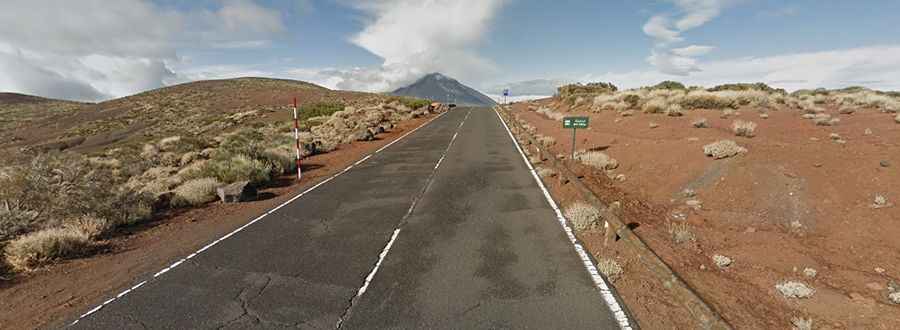
| Road facts: Corral del Niño (TF-24) | |
|---|---|
| Location | Teide National Park, Tenerife, Canary Islands (Spain) |
| Road Name | TF-24 |
| Length | 5.1 km (3.1 miles) from TF-21 junction |
| Elevation at Summit | 2,305 m (7,562 ft) |
| Average Gradient | 5.19% |
| Surface | 100% paved asphalt |
| Connecting Roads | TF-21 road |
Where is Corral del Niño located?
Corral del Niño sits in the high volcanic plateau of Teide National Park in central Tenerife. The TF-24 route runs along the ridge from La Esperanza to the junction with the TF-21, passing through volcanic lava fields (malpaís).
Is the TF-24 road to Corral del Niño paved?
Yes. The TF-24 is fully paved with high-friction asphalt. It is a well-maintained two-lane high-mountain highway that handles access to the Teide Observatory and the central peaks.
How challenging is the climb to Corral del Niño?
The 5.1 km ascent from the TF-21 junction maintains a steady average gradient of 5.19%. The main difficulty comes from engine power loss at 2,305 meters altitude, where naturally aspirated engines lose up to 25% torque. On long descents back to the coast, heavy reliance on foot brakes causes rapid pad overheating and brake fade.
How dangerous is the TF-24 road through Teide National Park?
The road is highly exposed to severe ridge crosswinds exceeding 80 km/h, which can displace high-profile vehicles. During winter, freezing temperatures create sudden black ice in shaded sectors and snow closures. Thick mountain fog can also drop visibility abruptly across the unlit lava fields.
Is the road to Corral del Niño open year-round?
The TF-24 stays open most of the year, but severe winter storms, black ice, or snowfalls temporarily close the high-altitude pass until snowplows clear the tarmac.