Driving the high altitude track to Montaña Rajada in Tenerife
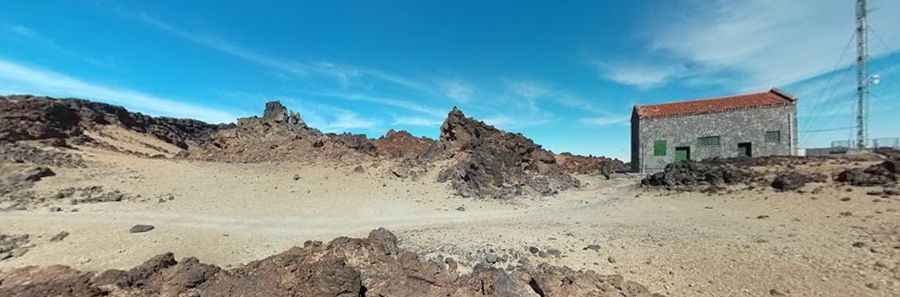
Montaña Rajada is a massive volcanic dome that rises to 2,463 meters above sea level in the heart of Tenerife. This is one of the highest tracks you can drive in Spain, cutting through the raw, lunar landscape of the Teide National Park. The road is a service track for the weather observatory at the summit and remains closed to private motor vehicles, but it stands as a prime example of high-altitude driving on volcanic terrain. The ground is composed of loose pumice and volcanic ash, a surface that can easily swallow a vehicle's wheels if you don't have the right tires and enough momentum.
| Road facts: Montaña Rajada | |
|---|---|
| Location | Tenerife, Canary Islands, Spain |
| Elevation | 2.463m (8,080ft) |
| Length | 1.6 km (1 mile) |
| Surface | Volcanic ash / Loose pumice |
How difficult is the drive to Montaña Rajada?
The climb starts from the paved TF-21 road and, although short at only 1.6 kilometers, it is a constant struggle for grip. The average gradient is 6.68%, but the real challenge is the loose nature of the volcanic soil. On this type of surface, the tires tend to dig in rather than push the vehicle forward. You need a 4x4 with high clearance because the track often has deep ruts carved by the maintenance trucks that head up to the observatory. If you stop in the middle of a steep section, getting the vehicle moving again without burying the rear axle in the ash is a serious job.
What are the mechanical risks of driving at 2,400 meters?
At this elevation, being one of the highest mountain roads in Spain, the air is thin and your engine will feel the hit. Naturally aspirated motors lose a significant percentage of their power, and even turbocharged engines have to work harder, which can lead to the radiator boiling over if the climb is sustained. The cooling system is under intense pressure due to the low air density and the lack of airflow at the slow speeds required by the rough terrain. You have to monitor the gauges constantly and listen for any signs of the engine struggling under the load.
What is the terrain like on the Montaña Rajada track?
The ground is a mix of yellow and reddish pumice stones that are light but sharp. These stones can get kicked up by the tires and damage the brake lines or the undercarriage if you are moving too fast. There are no guardrails or safety markers, and the track feels very exposed as it winds up the side of the dome. The weather in the Teide highlands can change in seconds; you can go from baking sun to being trapped in thick clouds or hit by freezing winds that make the loose surface even more unpredictable. It is a dry, dusty environment where the fine volcanic dust can clog air filters and get into every mechanical seal of the vehicle.
Pic: Krystian Haraburda