Driving to Mirador del Tapadero: 20 hairpins in the heart of Jaén
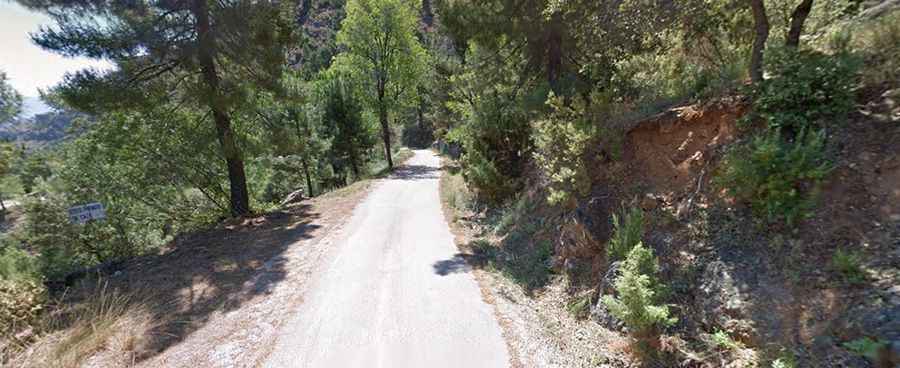
Mirador del Tapadero is a mountain viewpoint at an elevation of 1,124 meters (3,687 ft) above sea level in the Sierra de Las Villas, situated within the Sierras de Cazorla, Segura y Las Villas Natural Park, Jaén, Andalusia, Spain. Traversed by the narrow, paved Transversal de las Villas road, the route climbs to a rocky outcrop overlooking a 200-meter drop into the valley.
| Road facts: Mirador del Tapadero | |
|---|---|
| Location | Villanueva del Arzobispo, Jaén, Andalusia (Spain) |
| Elevation | 1,124 m (3,687 ft) |
| Road Name | Transversal de las Villas |
| Length | 9.7 km (6.02 miles) from A-6202 |
| Elevation Gain | 572 m (1,876 ft) |
| Average Gradient | 5.89% |
| Hairpin Turns | 20 switchbacks |
| Surface | Paved asphalt (Single-lane width) |
Where is the road to Mirador del Tapadero located?
The climb branches off the A-6202 road near the Tranco reservoir area in the eastern Jaén mountains. The 9.7-kilometer Transversal de las Villas route ascends 572 vertical meters into the protected Natural Park area, ending at the 1,124-meter viewpoint.
What are the asphalt and driving conditions to Mirador del Tapadero?
The 9.7-kilometer road is fully paved but single-lane width throughout, maintaining an average 5.89% gradient. The route features 20 tight switchbacks cut directly along limestone walls. Meeting oncoming park service or farm traffic requires stopping or reversing to narrow turnouts carved into the cliff face.
What hazards exist on the Transversal de las Villas route?
The narrow asphalt path lacks safety barriers along unprotected 200-meter drop-offs toward the valley. Loose limestone rocks frequently fall from the overhanging cliffs onto the driving lane, particularly after rain. On the descent toward the A-6202, low gears must be used to engine brake and prevent brake pads from overheating through the 20 hairpins.
Is the road to Mirador del Tapadero open year-round?
Yes. At an elevation of 1,124 meters, the route remains open year-round. However, winter cold snaps bring localized ice to shaded cliff sections, while summer heat dries out loose rock debris across the narrow bends.