Driving the TE-V-3 to Aramón Valdelinares: Pavement and ice at 1.975m
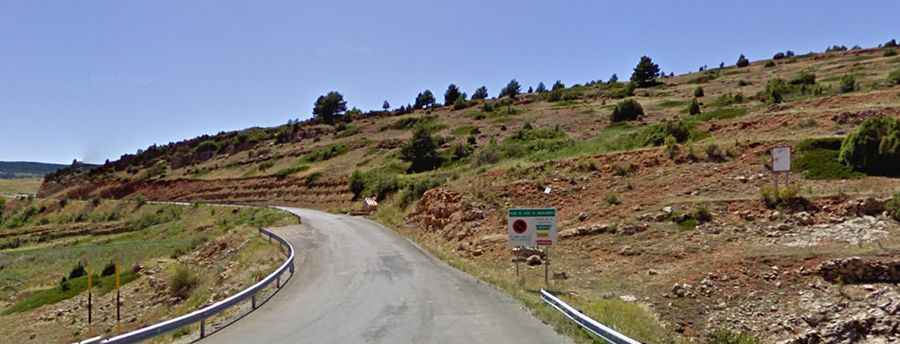
Aramón Valdelinares is a ski resort at an elevation of 1,975 meters (6,479 ft) above sea level in the Sierra de Gúdar, located within the Province of Teruel, Aragon, Spain. Traversed by the paved TE-V-3 road, the route climbs from the town of Valdelinares to the resort parking facilities near the mountain crest.
| Road facts: Aramón Valdelinares | |
|---|---|
| Location | Valdelinares, Teruel, Aragon (Spain) |
| Elevation | 1,975 m (6,479 ft) |
| Road Name | TE-V-3 |
| Length | 9.1 km (5.65 miles) from Valdelinares |
| Max Gradient | 9% |
| Surface | Paved asphalt |
Where is the TE-V-3 road to Aramón Valdelinares located?
The TE-V-3 begins near the town of Valdelinares in the Gúdar-Javalambre comarca. The 9.1-kilometer paved route ascends through pine forests and mountain ridges to the ski station base at 1,975 meters elevation.
What are the asphalt and driving conditions on the TE-V-3 road?
The 9.1-kilometer road is fully paved, featuring rolling sections interspersed with steep incline ramps hitting up to a 9% gradient. Heavy freeze-thaw cycles and snowplow blades wear down the asphalt surface, creating potholes and cracked pavement along the mountain climb.
What hazards exist on the road to Valdelinares?
Shaded forest curves retain black ice during winter months, particularly in zero-sunlight sectors. High ridge exposure subjects vehicles to strong crosswinds, while winter storms quickly drop temperatures below zero. On the descent toward Valdelinares, low gears should be engaged to engine brake and prevent brake pads from overheating on the 9% ramps.
Is the road to Aramón Valdelinares open in winter?
Yes. As the main access to the ski resort, snowplows maintain the TE-V-3 throughout the ski season. However, winter tires or snow chains are legally mandated during cold snaps and active snowfall, with local police enforcing access checkpoints at lower elevations.