Road Trip Guide: Conquering Llauset Lake in Aragon
Lago de Llauset is a high mountain reservoir at an elevation of 2,250 meters (7,381 ft) above sea level, located in the Huesca province of Aragon, in Spain. Set high in the Pyrenees, the asphalted mountain track leading to the dam ends at a high-altitude parking area next to the reservoir.
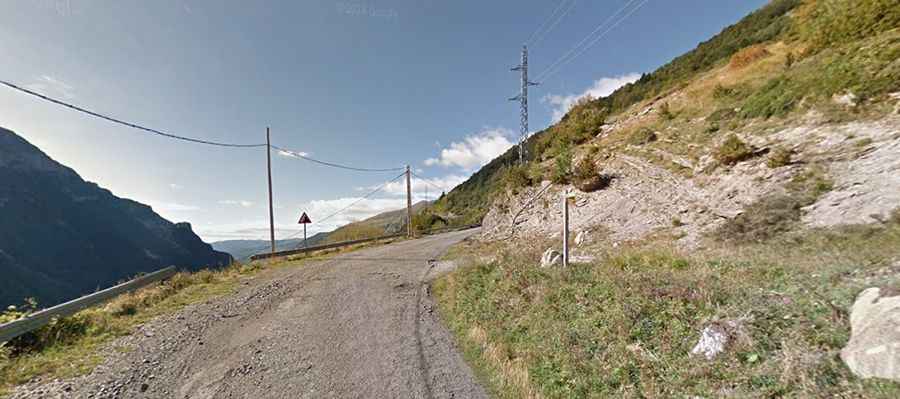
| Road facts: Lago de Llauset | |
|---|---|
| Location | Huesca, Aragon (Spain) |
| Elevation | 2,250 m (7,381 ft) |
| Length | 12.2 km (7.5 miles) from Senet |
| Elevation Gain | 1,099 meters |
| Average Gradient | 9% |
Where does the road to Lago de Llauset start?
The mountain road begins right at the junction on the N-230 road, near the village of Senet. From this point, the track turns west across the valley floor, passing near the small settlement of Aneto before entering the steep alpine terrain. This asphalted route serves as the single motorized access path into this eastern sector of the Posets-Maladeta Natural Park.
Is the road to Lago de Llauset fully paved?
The road to the reservoir is paved but features narrow sectors where the tarmac condition degrades significantly on the upper slopes. The asphalt is worn, rough, and prone to gravel patches and frost cracks. The final 1.5 km of the approach runs inside a narrow tunnel carved directly through the mountain rock, which lacks proper highway lighting, features an irregular wet surface, and has constant water dripping from the ceiling.
How steep is the mountain climb to Lago de Llauset?
The 12.2 km (7.5 miles) ascent gains 1,099 vertical meters from the valley junction. The route maintains a sustained average gradient of 9%, requiring continuous low-gear driving to keep momentum. The lack of lateral protections on the open hillsides demands focus when encountering oncoming vehicles or hikers on the tight upper switchbacks.
Is the Lago de Llauset road open in winter?
Due to the high 2,250-meter altitude, the road is completely blocked by heavy snow and ice accumulation during winter and early spring. Local maintenance services do not clear the snow from this high-altitude track, leaving the final sectors completely impassable for vehicles until the late spring thaw.