Cogulló d’Ares: Driving the 21 Hairpins of the Cabó Valley
At an elevation of 1,655m (5,429ft) above sea level, Cogulló d’Ares is a high mountain peak in the Alt Urgell comarca of Lleida, Spain. Located within the Serra d'Ares range, the summit serves as a major communications hub overlooking the Cabó Valley.
| Road facts: Cogulló d’Ares | |
|---|---|
| Location | Lleida, Spain |
| Elevation | 1,655 m (5,429 ft) |
| Length | 14.5 km (9.0 miles) |
| Surface | Unpaved / White Clay and Gravel |
| Hairpins | 21 |
How is the road to Cogulló d’Ares?
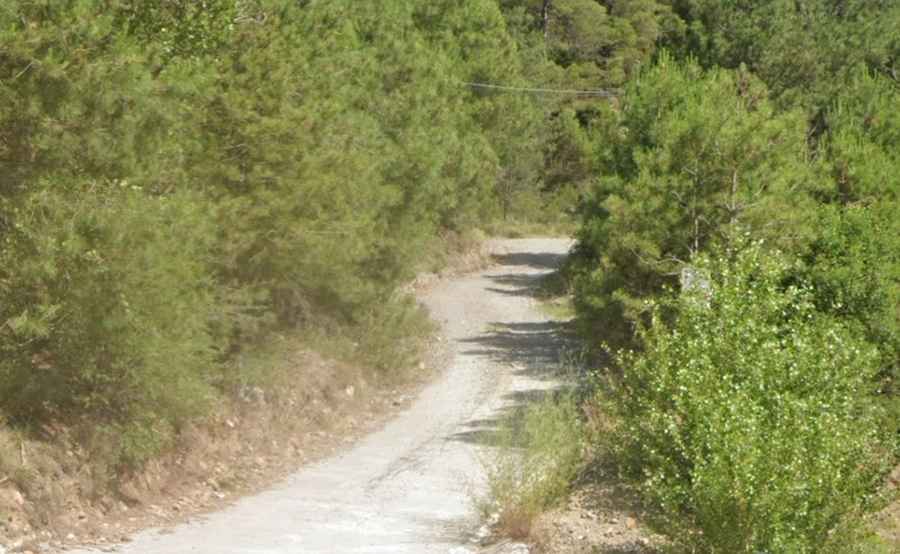
The ascent follows the Camí de la Fontanella, starting at km 166 of the C-14 road near the Tresponts tunnel. The route is 14.5 km long and entirely unpaved. Right from the start, the track is technical; the surface is composed of fine white clay and loose gravel, heavily flanked by dense pine forest. This initial section is very steep, featuring 14 sharp hairpin turns in the first 4 km. Without a high-clearance 4x4, the lack of traction on this powdery surface makes the climb nearly impossible, especially as the ruts deepen further up.
What vehicle is required for the Serra d'Ares track?
A 4x4 vehicle is strictly recommended. Standard cars will struggle with traction right from the base due to the loose soil and steep inclines. The drive is divided into three steep stages: the initial 14-hairpin ramp, a second climb after the Fontanella ravine, and the final 4 km push from Coll els Coms. The track is narrow, with no safety barriers, and serves as a service road for the communications antennas at the peak. Drivers should be prepared for a slow, low-gear crawl to manage the 1,130m total elevation gain from the valley floor.
Driving hazards and logistics
The primary hazards are the lack of passing space and the slippery nature of the white clay. During dry spells, the powdery surface offers very little grip, while rain turns it into a slick mud that can trap vehicles. The 21 hairpins are tight and require precise steering. There are no services, fuel, or water along the 14.5 km route. All supplies must be secured in Organyà before leaving the C-14. Mobile signal is intermittent, often blocked by the limestone ridges of the Serra d'Ares.
Is the road to Cogulló d’Ares open year-round?
While the road is technically open, it is frequently blocked by snow during the winter months. The shaded sections through the pine forests hold ice long after a storm. In autumn, the combination of wet pine needles and the clay surface creates a high risk of sliding. The best time for the transit is late spring or early summer, though you must always yield to maintenance trucks heading to the geodetic vertex and the antenna site, as they have absolute priority on this narrow forest network.