Driving the LV-4001: The "Catalan Stelvio" in the Pyrenees
The LV-4001 is a technical mountain road located in the Alt Urgell region of Lleida, Catalonia. Known among driving and cycling enthusiasts as the "Catalan Stelvio", this route is famous for its 18 consecutive hairpin turns and its resemblance to the iconic Italian Alpine pass.
Where is the Catalan Stelvio located?
The road is situated near Organyà, connecting the C-14 highway with the village of Montant de Tost. The most technical section starts at the "Hostal Nou" junction (km 166.7 of the C-14). While the full road to the village is 12 km long, the famous winding segment is concentrated within the first 8.7 km.
| Road facts: LV-4001 (Stelvio Català) | |
|---|---|
| Maximum Elevation | 1,136 m (3,727 ft) |
| Total Elevation Gain | 625 meters |
| Max Gradient | 10% |
| Hairpin Bends | 18 "paelles" (U-turns) |
Why is it a top destination for drivers?
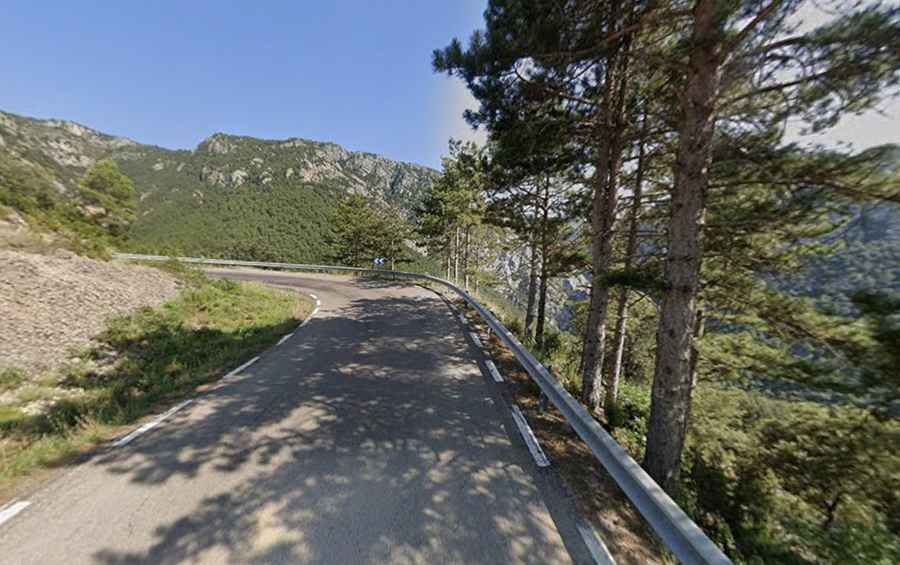
The LV-4001 is characterized by 18 U-turns that climb from the Segre river valley through limestone cliffs and dense pine forests. The road offers views of the Barranc de la Vansa and the Pre-Pyrenees massifs. It is a highly technical drive that requires constant gear changes and precise braking due to its narrow layout and an average gradient that occasionally exceeds 10%.
What are the road conditions on the LV-4001?
The asphalt is generally in good condition, but the road is narrow and lacks a central dividing line. Because it traverses a forested area, drivers should be cautious of natural debris on the surface, such as leaves, branches, or loose stones, especially after rain. The route also features tunnels carved directly into the rock.
Does the road continue past Montant de Tost?
Yes. Although many maps show it as a dead-end, a recently paved narrow road connects Montant de Tost with Tuixent. This section is extremely narrow and often has loose gravel from the slopes. It allows for a circular route, avoiding the need to descend back via the same 18 hairpins, though it is only recommended for experienced drivers due to the demanding gradients and sharp turns.