How steep is the unpaved track near Puigmal in the Pyrenees?
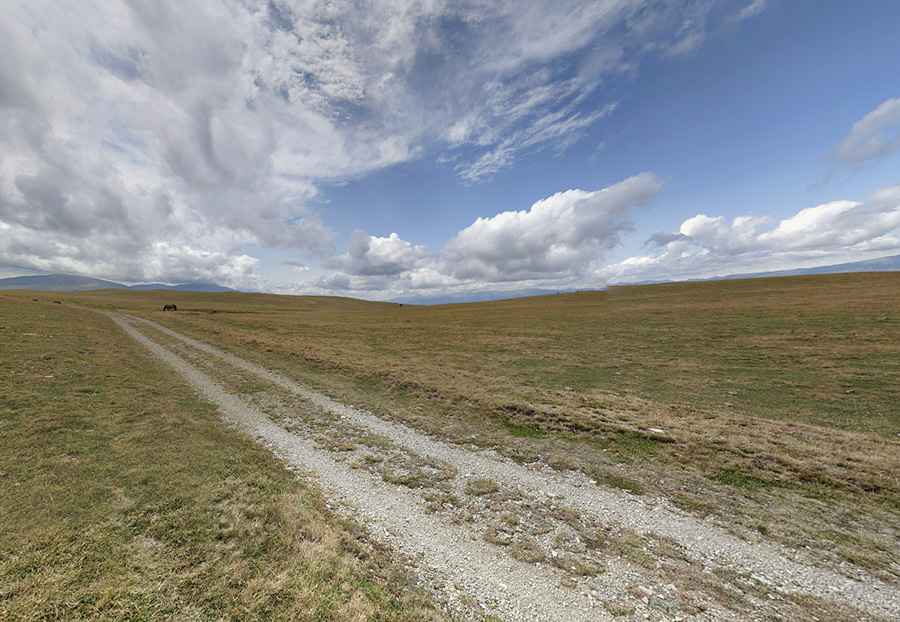
The track west of Puigmal (also known as Puigmal d'Err) is a high mountain route reaching an elevation of 2,648 meters (8,687 ft) above sea level, located on the border between France (Pyrénées-Orientales) and Spain (Catalonia). The unpaved service road climbs out of Osséja to a high ridge parking area near Tossa del Pas dels Lladres. The track does not reach the summit of Puigmal itself.
| Road facts: Camí del Puigmal (Pas dels Lladres) | |
|---|---|
| Location | France (Pyrénées-Orientales) / Spain (Catalonia) border |
| Max Road Elevation | 2,648 m (8,687 ft) at Pas dels Lladres |
| Length | 23.0 km (14.3 miles) from Osséja |
| Surface | Unpaved gravel, loose stone, and compacted dirt |
| Vehicle Requirement | High-clearance 4WD required |
| Key Hazards | High winds, unshielded ridge drop-offs, deep ruts, sudden freezing fog |
Where is the Puigmal track located?
The road ascends from the French village of Osséja in the Cerdanya region, climbing 23 kilometers through forest and alpine meadows along the border ridge. It terminates at the high-altitude shoulder near Tossa del Pas dels Lladres at 2,648 meters, well below the actual mountain peak.
Is the road to Puigmal paved?
No. The entire 23-kilometer route is completely unpaved, consisting of white gravel, loose stones, and dirt. Serving as a ski resort maintenance track, the road features deep ruts from spring snowmelt and loose rock slides along exposed slopes.
How long is the drive along Camí del Puigmal?
The route covers 23.0 kilometers (14.3 miles) from Osséja. Negotiating the continuous unpaved climb and high-altitude ramps above 2,000 meters requires roughly 1 to 1.5 hours of steady 4WD driving.
When is the Puigmal road open?
The track is buried under deep snow for most of the year, making it impassable from late autumn until late June or July. Summer storms, gale-force winds at Pas dels Lladres, and sudden freezing fog are constant weather hazards above the treeline.
Pic: Dani Fenix Siete