Road to Serrat de la Figuerassa: Driving the 1,494m Piste in Berguedà
Located in the comarca of Berguedà, in the province of Barcelona, Serrat de la Figuerassa is a high mountain peak reaching an elevation of 1,494m (4,901ft) above sea level. Situated in the Pre-Pyrenees of Catalonia, Spain, the summit serves as a strategic location for the Repetidor de la Figuerassa, a prominent telecommunication tower.
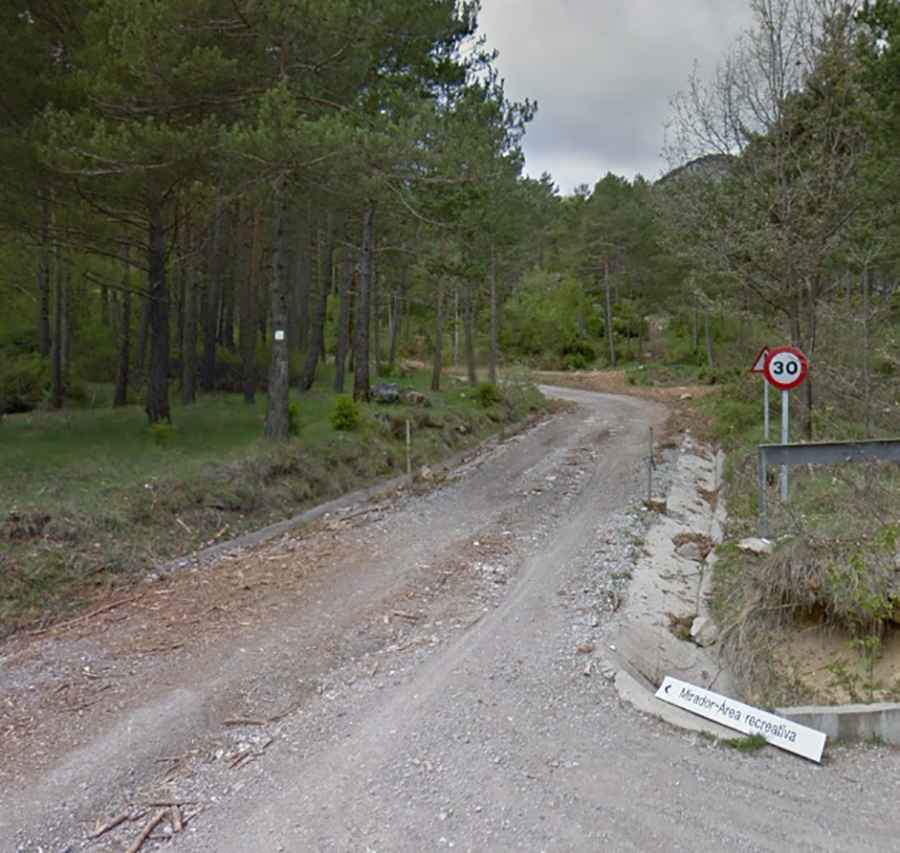
| Road facts: Serrat de la Figuerassa | |
|---|---|
| Location | Berguedà, Barcelona, Catalonia, Spain |
| Elevation Gain | 815 m |
| Length | 11.9 km (7.39 miles) |
| Average Gradient | 6.84% |
| Surface | Unpaved / Forest Track |
How is the road to Serrat de la Figuerassa?
The ascent to Serrat de la Figuerassa starts from the municipality of Cercs. The route is 11.9 km (7.39 miles) long and is entirely unpaved. The track consists of a forest road with a varied surface of compacted dirt and loose limestone gravel. Over this distance, the elevation gain is 815 meters, resulting in a sustained average gradient of 6.84%. While the average is moderate, the road features several technical ramps where the slope increases significantly, requiring a high-clearance SUV or 4x4 vehicle, particularly in the upper sections where erosion is more prominent.
What are the driving hazards on the road to Serrat de la Figuerassa?
The primary hazards on the track to Serrat de la Figuerassa include narrow shelf sections and sharp hairpin turns. The road lacks safety barriers, and the outer edges of the track are subject to vertical drops over the Baells reservoir area. During the ascent, drivers must be alert for localized washouts caused by heavy runoff, which can create deep ruts in the dirt. The final approach to the Repetidor de la Figuerassa is exposed to high winds and sudden cloud formation, which can reduce visibility to near-zero levels, making navigation difficult on the tight switchbacks.
What is the driving strategy for the Serrat de la Figuerassa forest track?
Navigating the 11.9 km climb requires a defensive driving approach due to the presence of both service vehicles and hikers. The use of low gears is mandatory for the descent toward Cercs to manage engine temperature and provide reliable engine braking on the gravel ramps. Traction can be compromised after rain events, making the 6.84% average gradient deceptive; the surface turns into slippery mud, which requires precise throttle control. It is recommended to check tire pressure and underbody clearance before attempting the ascent, especially if traveling beyond the Mirador de la Figuerassa area.
Is the road to Serrat de la Figuerassa accessible year-round?
While the track is generally accessible, seasonal weather in Berguedà impacts the driving conditions. During winter, snow accumulation at 1,494m can make the upper switchbacks impassable for several days. In summer, the dry limestone gravel becomes exceptionally loose, reducing friction on the curves. The road serves as a vital service corridor for the communication facilities at the summit, so drivers may encounter maintenance machinery. There are no emergency services or mechanical assistance points along the forest track, requiring vehicles to be in peak mechanical condition before leaving the paved roads near Cercs.