Driving the 10 highest mountain passes of the Spanish Vuelta
The Vuelta a España is more than a bicycle race; it is a legendary battle against gravity. Established in 1935 to rival the Tour de France and the Giro d’Italia, the "Vuelta" has evolved into one of the most grueling events on the UCI World Tour calendar. While it started with only 50 riders, today it is a three-week odyssey through some of the steepest and highest paved roads in Europe.
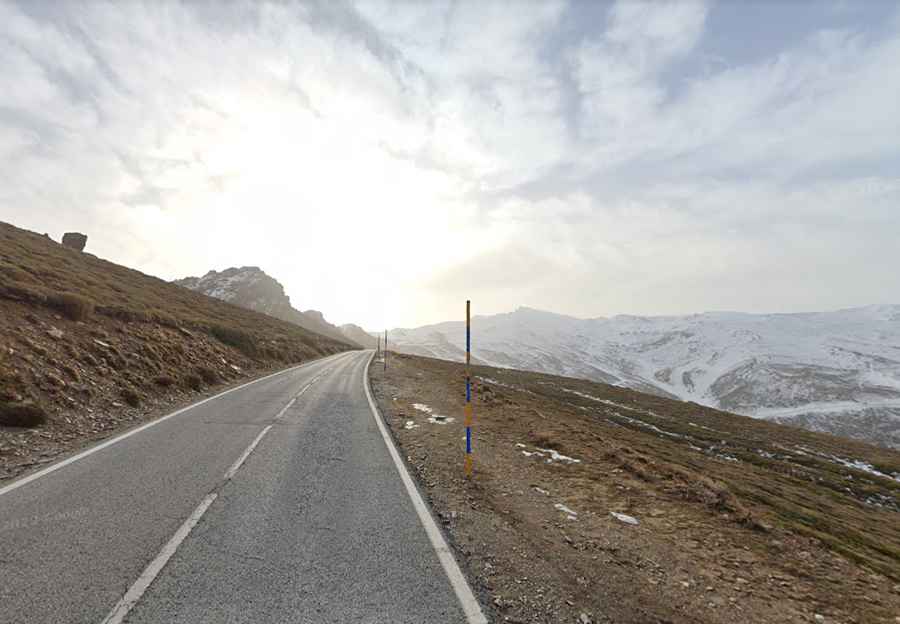
Spain’s diverse geography provides the perfect stage for these "Cimas" (summits). From the heat of Andalusia to the high-altitude borders of Andorra and France, these are the 10 highest mountain passes ever climbed in the history of the race.
| Rank | Mountain Pass | Region/Country | Elevation |
|---|---|---|---|
| 1 | Hoya de la Mora | Andalusia (Spain) | 2,550m (8,366ft) |
| 2 | Port d'Envalira | Andorra | 2,408m (7,900ft) |
| 3 | Bola del Mundo | Madrid-Segovia (Spain) | 2,265m (7,431ft) |
| 4 | Ordino-Arcalís | Andorra | 2,230m (7,316ft) |
| 5 | Calar Alto | Andalusia (Spain) | 2,168m (7,113ft) |
| 6 | Col du Tourmalet | France | 2,115m (6,939ft) |
| 7 | Cortals d’Encamp | Andorra | 2,068m (6,784ft) |
| 8 | Port de la Bonaigua | Catalonia (Spain) | 2,080m (6,824ft) |
| 9 | Puerto de la Ragua | Andalusia (Spain) | 2,046m (6,712ft) |
| 10 | Puerto de Escúllar | Andalusia (Spain) | 2,036m (6,679ft) |
The Giants of the Vuelta
The highest point ever reached is the Hoya de la Mora in the Sierra Nevada (Andalusia), sitting at a staggering 2,550m. However, the Vuelta isn't afraid to cross borders. The Port d'Envalira in Andorra and the legendary Col du Tourmalet in France are frequent guest stars that provide the high-altitude drama the race is known for.
Driving or cycling these passes requires respect for the elements. At over 2,000 meters, weather can change in minutes, and the thin air tests both lungs and engines. Whether it's the steep ramps of Bola del Mundo near Madrid or the long, scenic grind of Port de la Bonaigua in the Pyrenees, these ten summits represent the ultimate driving challenge in the Iberian Peninsula.