What are the most challenging and scenic roads in Mallorca?
Mallorca is far more than a Mediterranean beach destination; it is home to the Serra de Tramuntana, a UNESCO World Heritage site featuring some of Europe’s most technical mountain passes. From the legendary 270-degree tie-knot of Sa Calobra to the 52 hairpin bends of Coll de Sóller, driving on the island requires precision, nerve, and an understanding of high-altitude coastal engineering. This guide explores the most demanding routes for those who prefer the thrill of the climb to the calm of the shore.
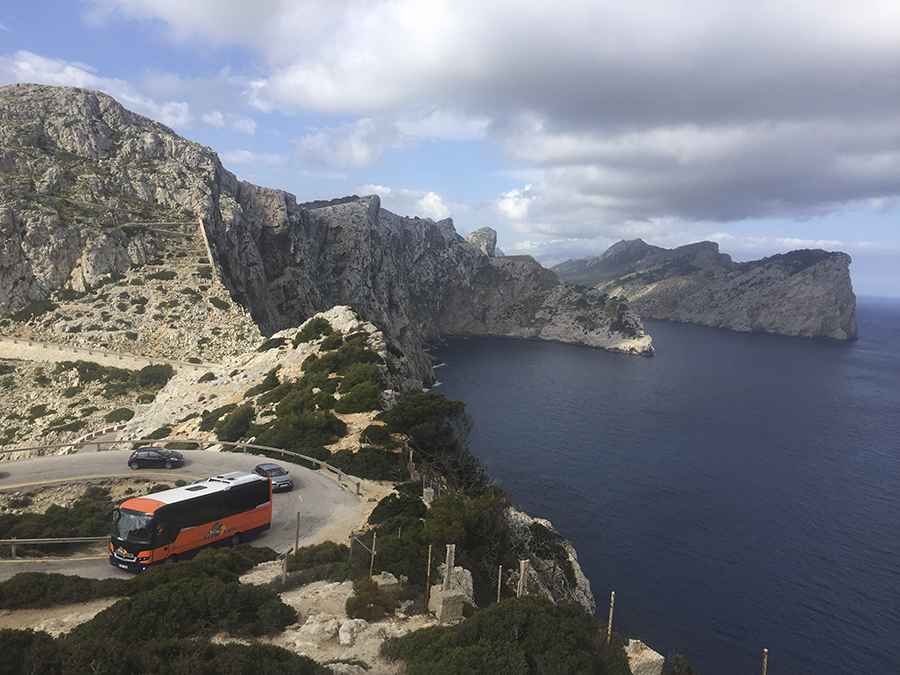
| Mallorca’s Top Driving Challenges | |
|---|---|
| The Ultimate Icon | Sa Calobra (The Tie-Knot / Nus de sa Corbata) |
| Most Hairpins | Coll de Sóller (52 switchbacks) |
| Highest Accessible Point | Puig Major (Military Zone / Restricted access) |
| Hidden Technical Gem | Coll d'Honor (Restricted for buses and coaches) |
As with any mountain destination, there are certain things to be aware of when driving in Mallorca. While the island is a popular destination for its vibrant culture, its technical roads are a magnet for motor enthusiasts and professional cyclists. Below, we explore the most iconic routes and how to navigate them safely.
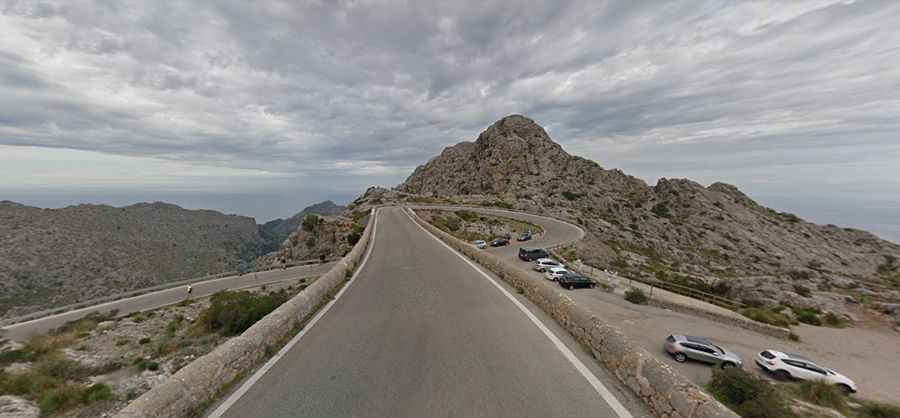
The Road to Sa Calobra: The Snake Road
The road to Sa Calobra (MA-2141) is a spectacular and winding route that takes you through the heart of the island's rugged mountain terrain. Starting from the charming village of Escorca, the road snakes its way down to the coast, offering breathtaking views of the Mediterranean Sea along the way. The road is narrow, winding, and steep, and it's considered one of the most beautiful roads in Spain, often featured in car commercials and international advertisements.
As you descend towards the coast, you will encounter the “Nus de sa Corbata” (the “knot of the tie”), where the road makes a spectacular bend of 270 degrees, doubling back under itself. The landscape is dramatic, with towering limestone cliffs and rocky outcrops on one side, and the shimmering sea on the other. The road ends at the village of Sa Calobra, a small fishing village nestled in a secluded bay.
Driver’s Note: Sa Calobra is a popular spot for cyclists and motorcyclists, and the road can be extremely busy during the peak summer season. Be prepared to face public buses and private excursion coaches on very narrow sections. It is always best to check the weather and road conditions before starting your journey, as the descent requires constant brake management and focus.
Combine your drive to Sa Calobra with…
- Walk to the mouth of the Torrent de Pareis: A 15-minute walk around the coastline through rock corridors to reach one of the most beautiful coves in Mallorca.
- Visit Cala Tuent: The next cove along, offering a marvelous beach and a less crowded environment.
- Take the boat to Port de Sóller: A 45-minute boat ride that allows you to see the dramatic cliffs from the sea (check schedules in advance).
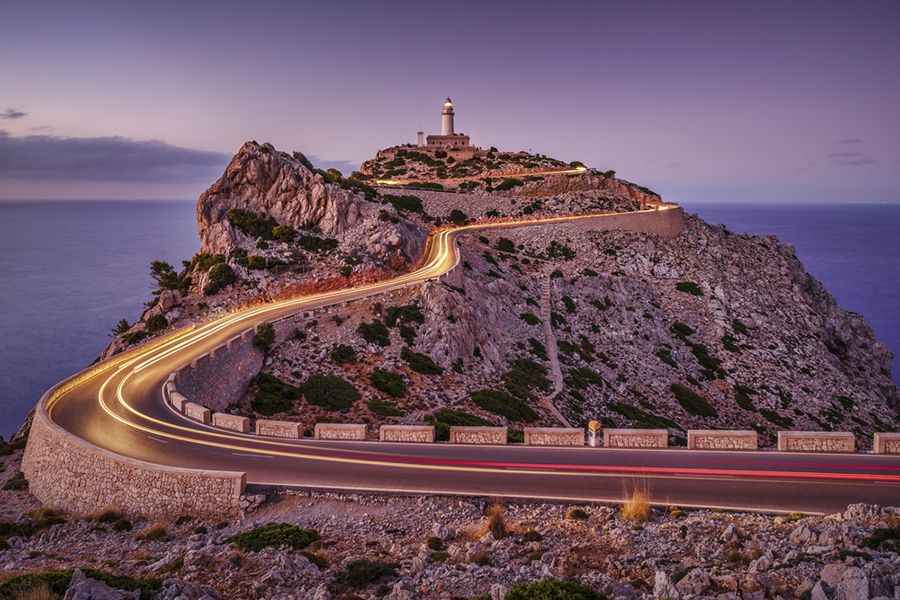
The Road to Cap de Formentor: The Edge of the World
The road to Cap de Formentor (MA-2210) is a scenic route along the rugged northern coast. Starting from Pollença, the road leads to the iconic lighthouse, passing through barren and rocky landscapes. The road is narrow and winding, with several sheer drops into the sea, demanding full attention from the driver.
As you approach the tip of the peninsula, the views become more dramatic. The Formentor Lighthouse offers the best panoramic vistas of the northernmost part of the island. Sunrise and sunset are particularly spectacular here, though traffic can be intense during these hours.
Safety Alert: During the high season (summer months), local authorities often implement traffic restrictions, closing the road to private vehicles during the day to protect the natural area. Always check current regulations before setting off.
Combine your drive to Cap Formentor with…
- A visit to Formentor Beach: Renowned for its crystal clear waters and fine sand.
- Stop at the Es Colomer Viewpoint: The most famous lookout on the island, where you can walk out to the edge of the cliffs for amazing photography opportunities.
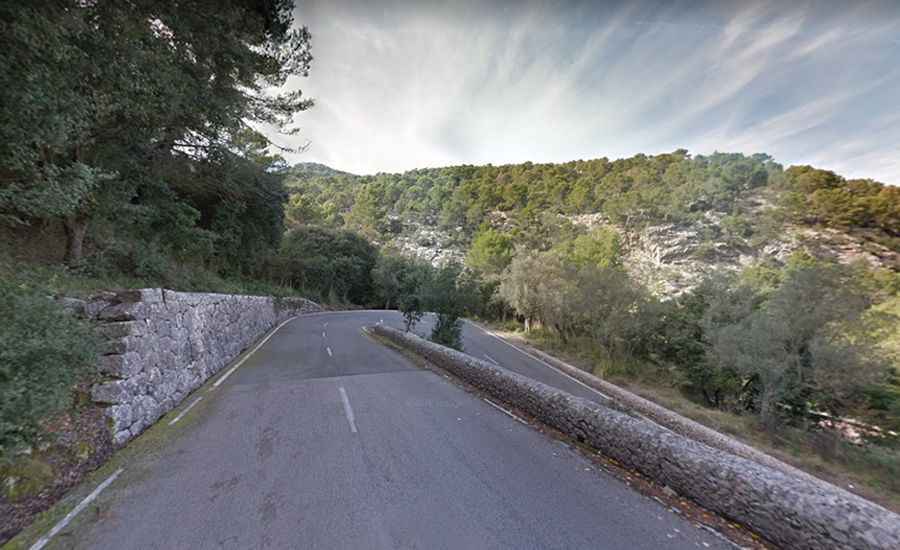
Coll de Sóller: The 52-Hairpin Challenge
The road over the Coll de Sóller is a picturesque and challenging route through the Serra de Tramuntana. While most drivers use the modern tunnel to save time, the old mountain pass (MA-11A) is a paradise for those who love technical driving. It is said that there are 52 hairpin bends on this stretch of road, requiring constant steering work and focus.
As you climb, you pass through olive groves and lush green woods, with lookout points offering vistas of the surrounding peaks and the Mediterranean Sea. This is a mountain pass that connects Sóller with the center of the island, and since the tunnel became toll-free, the mountain road has become much quieter, making it ideal for sightseeing.
Combine your drive to the Coll de Sóller with…
- Visit the Sóller Botanical Garden: Discover the extraordinary flora of the Mediterranean.
- The famous Sóller Orange Juice: The valley is world-famous for its citrus; a fresh glass of juice in the town square is a local tradition.
- Architecture Walk: Explore the modernist façades and the baroque church in the heart of Sóller.
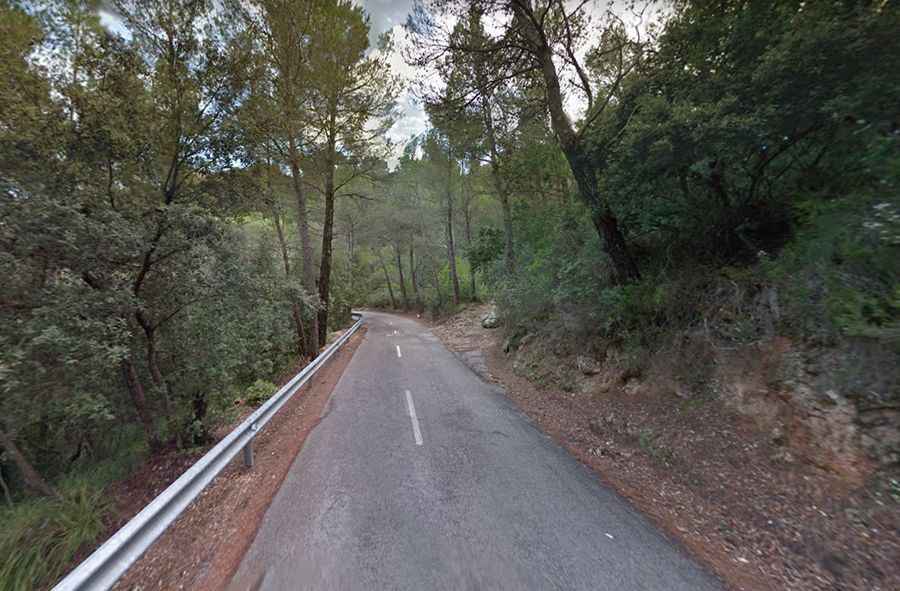
A Hidden Gem: Coll d'Honor
Coll d'Honor is a winding mountain road that remains one of Mallorca's best-kept secrets. It is considered a challenging route due to its narrow lanes and steep inclines. Unlike Sa Calobra, this road is far too narrow for large buses, which ensures a quieter experience, though you must remain alert for groups of cyclists.
Combine your drive through Coll d’Honor with…
- Alaró: A beautiful town with narrow cobbled streets. You can hike to Alaró Castle for one of the most immense views in the Tramuntana.
- Orient: A tiny, picture-perfect village with stone houses and public laundries.
- Bunyola: A charming town at the foot of the mountains, famous for the Alfabia Gardens.
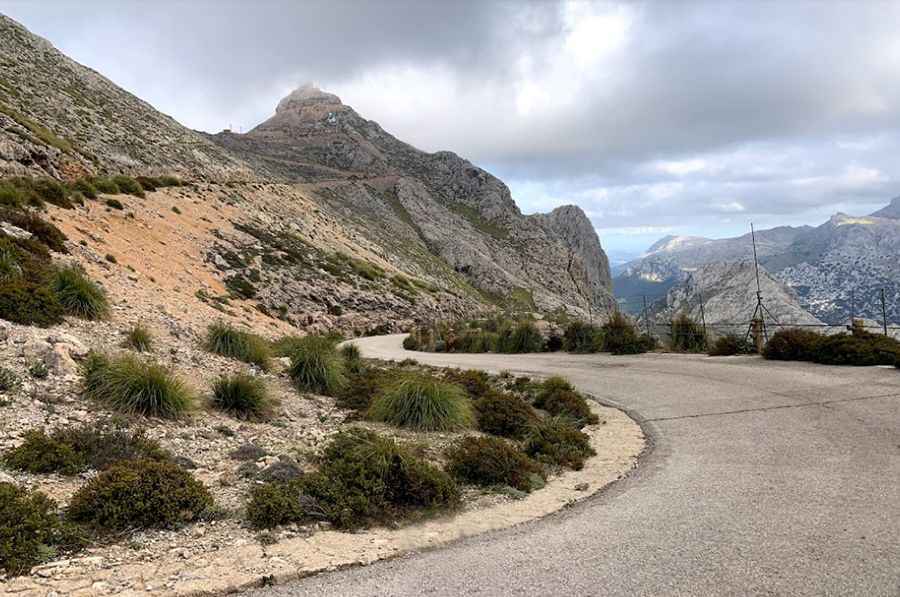
Puig Major: The Highest Road
The road to Puig Major takes you to the highest peak on the island. While the road is in excellent condition, access to the very top is restricted to authorized military personnel only, as it houses an active radar system built in 1958. However, the accessible sections still offer some of the highest driving altitudes in the Balearic Islands.
Combine your drive to the Puig Major with…
- Gorg Blau and Cúber Reservoirs: These two large lakes are nestled in the mountains and offer stunning hiking trails and photographic opportunities.