Barcelona Logistics: 7 Mistakes to Avoid on Your Urban Expedition
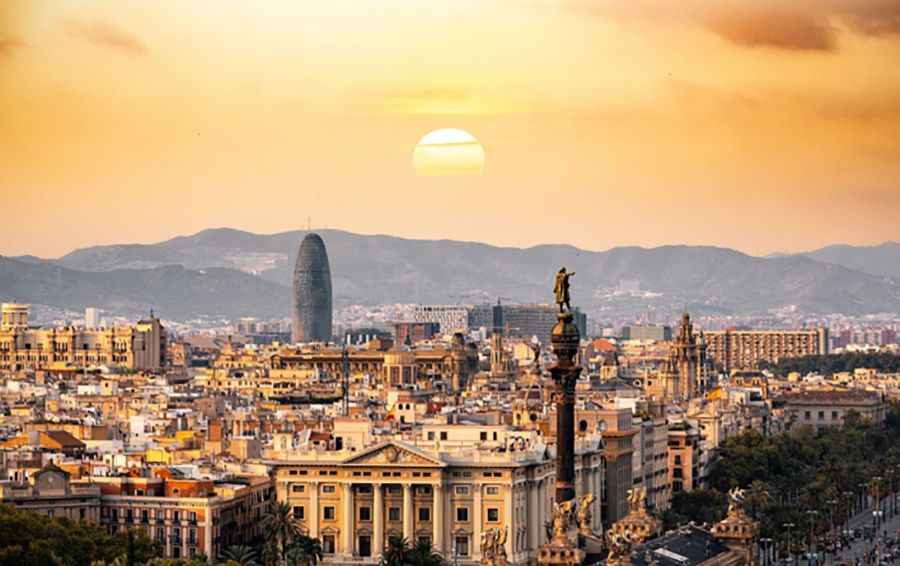
Barcelona, located on the northeastern Spanish coast, is a massive transit hub that attracts millions of visitors every year. However, navigating this Mediterranean city requires a professional approach to logistics. Between the narrow streets of the Gothic Quarter and the high-volume traffic of the Eixample district, travelers often face challenges with transport, security, and timing. This guide analyzes the most common logistical errors and how to avoid them to ensure a safe and efficient stay in the Catalan capital.
| Barcelona Mobility & Logistics | |
|---|---|
| Peak Traffic Season | September and October (Extreme pedestrian density) |
| Primary Transport | Metro, Trams, and a 200km+ Bike Lane Network |
| Security Risk | High (Targeted pickpocketing in transit hubs) |
| Navigation | Complex old city layout vs. Grid-system Eixample |
1. Timing the City: Peak Season Congestion
Visiting during September and October means dealing with peak congestion. During these months, pedestrian flow on main roads like Las Ramblas can become unbearable, slowing down all urban transit. For a more efficient expedition, consider the winter months. The logistics are simpler: there are fewer crowds at key sites, public transport is less crowded, and accommodation rates are significantly lower, allowing for a better-managed budget.
2. Managing Movement Beyond the Center
A common error is staying confined to the city center. While the historic districts are important, the real logistics of the city extend to the outskirts and nearby coastal roads. Limiting yourself to the tourist core means missing the broader geography of the region. Exploring local neighborhoods allows you to understand the city's true scale and find more efficient transit routes away from the main bottlenecks.
3. Choosing the Right Transit Mode
While taxis are available and metered, they are often the slowest way to move through Barcelona's congested grid. The city is designed for walking and public transport. The metro and tram systems are fast, frequent, and easy to navigate. Furthermore, Barcelona has a massive network of bike lanes. For short-distance logistics, cycling is often faster than any motorized vehicle, especially during peak hours when the main avenues are blocked by traffic.
4. Security Protocols: Avoiding Thefts and Scams
Security is a major logistical concern in Barcelona. Pickpockets are highly professional and target transit hubs and crowded streets. To protect your belongings, use a secure front-carrying bag for your essentials. Never leave your vehicle unattended with valuables visible inside, as "smash-and-grab" incidents can occur in tourist parking areas. Maintain a copy of your documents and leave the originals in a secure location to avoid a logistical nightmare if a theft occurs.
5. Avoiding Overpriced Tourist Zones
Las Ramblas is a 1.2-kilometer pedestrian road that acts as a major tourist trap. Everything from food to services is overpriced and often of lower quality. For a professional traveler, it is better to identify local supply points and eateries away from these high-density zones. Using community-verified data to find authentic spots will save you money and provide a better understanding of the local environment.
Conclusion: Professional Navigation of Barcelona
Barcelona is a unique destination that rewards those who plan their logistics carefully. By avoiding peak season crowds, using the efficient public transport network, and maintaining strict security protocols, you ensure a safe and successful stay. Respect the local road rules, stay alert in crowded areas, and use the city's diverse transit options to your advantage. Proper preparation is the key to mastering the roads of this Mediterranean capital.