How to drive the steep 17% road to Sant Bartomeu de Dorve?
Sant Bartomeu de Dorve is a mountain site at an elevation of 1,393 meters (4,570 ft) above sea level, located in the Pallars Sobirà comarca of Catalonia, Spain. Rising above the Noguera Pallaresa valley near La Guingueta d'Àneu, the steep asphalt road climbs to the isolated village and its 16th-century chapel.
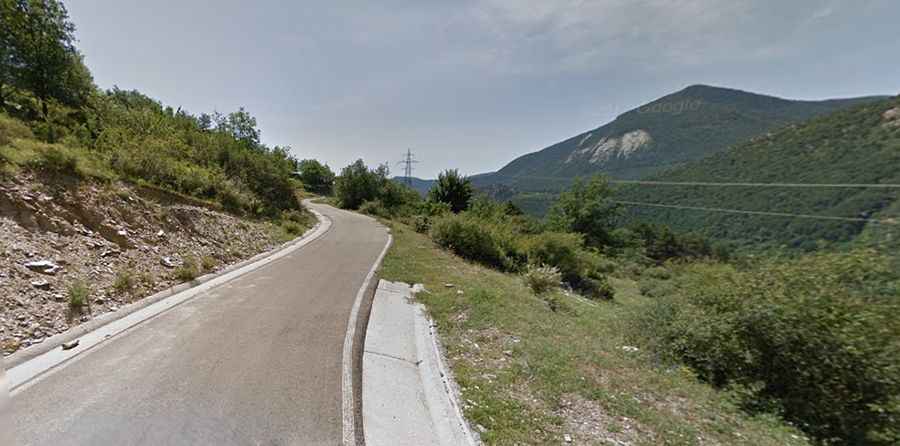
| Road facts: Sant Bartomeu de Dorve | |
|---|---|
| Location | La Guingueta d'Àneu, Pallars Sobirà, Catalonia (Spain) |
| Elevation | 1,393 m (4,570 ft) |
| Length | 4.9 km (3.04 miles) from La Guingueta d'Àneu |
| Elevation Gain | 452 m (1,482 ft) |
| Average Gradient | 9.22% |
| Max Gradient | 17% |
| Surface | Paved asphalt (Narrow single lane) |
Where is the road to Sant Bartomeu de Dorve located?
The climb begins along the C-13 road near La Guingueta d'Àneu in the Pyrenees. The 4.9-kilometer paved route gains 452 vertical meters as it snakes up the mountain slopes toward Dorve.
How steep is the climb to Sant Bartomeu de Dorve?
The 4.9-kilometer route maintains a heavy 9.22% average gradient, with individual incline ramps hitting 17%. The road is entirely paved, but its narrow single-lane width leaves no room for central markings, requiring low gears to maintain momentum on the steepest switchbacks.
What hazards exist on the road to Sant Bartomeu de Dorve?
The narrow single-lane road lacks guardrails along steep drops into the valley. Meeting local farm vehicles or oncoming traffic on blind corners requires stopping or reversing to narrow turnouts on steep inclines. On the descent back to the valley, low gears are necessary to engine brake and prevent brake pads from overheating on the sustained 17% drops.
Is the road to Sant Bartomeu de Dorve open in winter?
The road generally remains open year-round to serve the local village, but winter storms bring ice and snow to the 17% ramps. Cold shade in the forest curves causes black ice to linger, making winter tires or chains necessary during cold snaps.