Hoz del Júcar: The narrow B-5 cliff road in Albacete
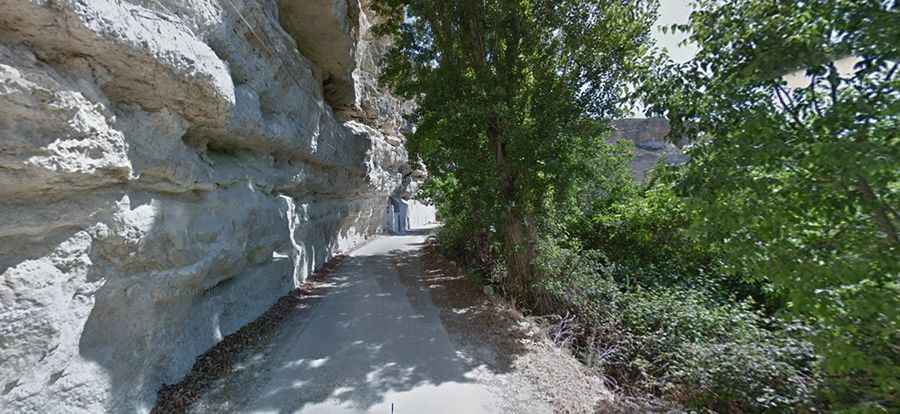
Hoz del Júcar is a high-risk canyon road carved into the limestone cliffs of the Albacete province in Castile–La Mancha, Spain. The road, officially designated as the B-5, follows the deep gorge created by the Júcar river. The physical reality of this route involves managing a narrow asphalt ribbon that clings to the karst walls, where the vertical exposure is total and the space for maneuvering is virtually non-existent in the tighter sectors of the canyon.
| Road facts: Hoz del Júcar (B-5) | |
|---|---|
| Location | Albacete, Spain |
| Length | 31.2 km (19.38 miles) |
| Minimum Width | 2.50 meters |
| Hazard Level | High (Rockfalls & Extreme narrowness) |
How challenging is the B-5 road through Hoz del Júcar?
The 31.2-kilometer journey from the CM-3218 to Alcalá del Júcar is a relentless test of precision driving. While the road is fully paved, its width is highly inconsistent, ranging from 5.60 meters down to a claustrophobic 2.50 meters. The logistics of the drive are dominated by these "bottlenecks" where the cliff face overhangs the asphalt. Meeting oncoming traffic in these sectors is a high-stress operation; the road is often too narrow for two vehicles to pass, forcing one driver to reverse for significant distances on a blind ledge. If you don't have the skill to maneuver your vehicle backward between the rock wall and the river drop, this route is a mechanical trap.
What are the hazards of the Júcar river canyon roads?
The primary hazard on the B-5 is the constant risk of "derrumbes" (rockfalls) caused by the karst erosion of the cliffs. The road runs directly beneath massive overhangs where loose stones frequently drop onto the track, potentially damaging the roof or the windshield. This route is part of the most technical canyon roads in Spain, where the physical reality of the houses built into the rock face adds an extra layer of difficulty, as the road narrows even further through the small hamlets like Jorquera. There are no shoulders or runoff areas; any swerve to avoid a falling rock or a local vehicle leads directly into the river or the stone wall.
What is the logistical reality of driving the Jorquera sector?
Navigating the B-5 requires a vehicle with compact dimensions and a responsive steering rack. Driving a high-sided van or a wide 4x4 through the Hoz del Júcar is a logistical nightmare, as the rock overhangs can catch the upper corners of the vehicle. The asphalt is often covered in a fine layer of dust and fallen leaves, reducing the traction precisely where you need it to hold the car on the narrowest bends. There is no lighting and zero room for error; the logistics of the route demand that you time your transit to avoid the local trucks and maintenance vehicles that use the B-5 as their primary access road between the cliff-side villages.
What mechanical prep is needed for the 31km Albacete cliff run?
Before entering the B-5, verify that your reverse gear and mirrors are perfectly adjusted; you will be using them. Check your braking system, as the stop-and-start nature of the narrow curves will put a constant load on the pads. Ensure your tires are in good condition to handle the uneven asphalt edges. It’s also wise to check your horn—it is the only way to warn oncoming drivers of your presence in the blind, rock-shielded corners. In this part of Castile–La Mancha, your ability to manage your car's physical footprint is the only thing standing between a successful transit and a mechanical stalemate in the heart of the canyon.
Road suggested by: jorge manuel gómez sánchez