Is the road to Casetón de Ándara Refuge in Picos de Europa difficult?
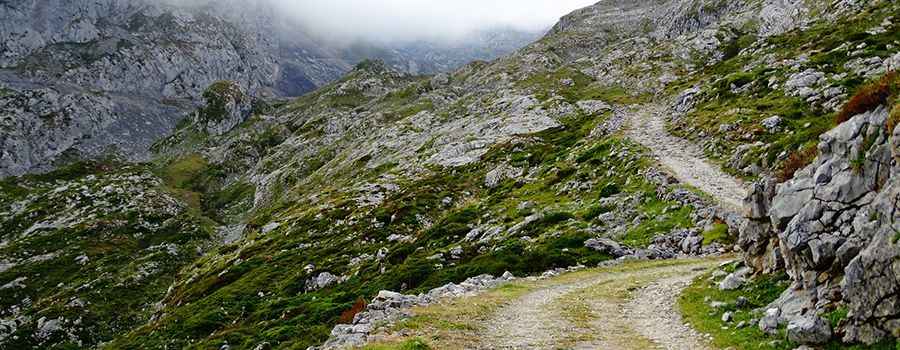
Refugio Casetón de Ándara is a mountain shelter at an elevation of 1,720 meters (5,643 ft) above sea level in the Macizo Oriental of Picos de Europa, located within Cantabria, Spain. Branching off the CA-1 road, the unpaved track follows an old mining road built to extract zinc and lead from the surrounding limestone peaks.
| Road facts: Casetón de Ándara | |
|---|---|
| Location | Liébana, Cantabria (Spain) |
| Elevation | 1,720 m (5,643 ft) |
| Length | 3.4 km (2.1 miles) from CA-1 |
| Elevation Gain | 407 m (1,335 ft) |
| Max Gradient | 15% |
| Surface | Unpaved (Crushed limestone, loose shale, and rock) |
| Vehicle Required | High-clearance 4x4 |
Where is the road to Casetón de Ándara Refuge located?
The track begins along the CA-1 road near Jano, near the Cantabria-Asturias regional border. The 3.4-kilometer unpaved route climbs 407 vertical meters into the Picos de Europa National Park toward the refuge at 1,720 meters elevation.
How steep is the climb to Casetón de Ándara?
The 3.4-kilometer climb averages a 12% gradient, with sustained ramps reaching up to 15%. The surface is entirely unpaved, consisting of sharp embedded limestone, loose shale, and deep dirt ruts. Four-wheel drive with high ground clearance is required to clear rock steps and prevent tire punctures on sharp mine debris.
What hazards exist on the Casetón de Ándara mining road?
The single-lane track lacks safety barriers along cliff edges cut directly into the mountain face. Dense mountain fog reduces visibility rapidly along the upper cliffs, while rain makes the loose limestone surface slick. On the steep descent back down to the CA-1 junction, low gears must be engaged to engine brake and prevent brake pads from overheating.
Is the road to Casetón de Ándara open year-round?
No. Deep snowdrifts and ice cover the track from late October through May. Snowplows do not clear this high-altitude park track, leaving it impassable to motor vehicles outside the summer months. Driving is restricted strictly to the established track due to environmental protections within the National Park.
Pic: Rober