Driving the Algarve Hinterland: Beyond the tourist traps of Albufeira
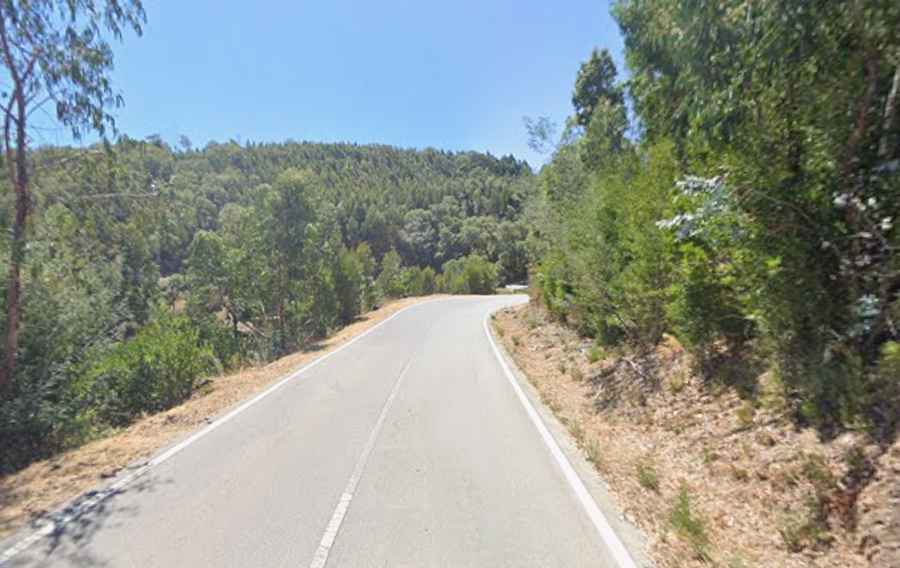
While most drivers stay on the asphalt of the A22, the real challenge of Southern Portugal lies in the rugged interior of the Algarve. Leaving the tourist hubs of Albufeira behind means facing the Serra de Monchique and the Serra do Caldeirão, where the roads turn into narrow, crumbling ribbons of asphalt and loose gravel. This is a landscape of steep gradients and blind hairpins where mechanical endurance and braking power are the only things that matter.
| Road facts: Algarve Interior | |
|---|---|
| Region | Monchique & Caldeirão, Portugal |
| Surface | Narrow asphalt & Unpaved gravel |
| Primary Hazard | Steep gradients & Brake fade |
| Elevation Gain | Up to 902 m (Fóia summit) |
Why are the mountain roads of Monchique a mechanical test?
Heading inland from the coast, the road toward the summit of Fóia (902m) is a relentless climb that puts a massive load on your cooling system. The real danger, however, is on the secondary tracks that branch off into the eucalyptus forests. These "fire roads" are often steep and unpaved, consisting of loose shale and red clay that becomes incredibly slippery after even a light rain. If you are driving a heavy rig, the hairpins are so tight that you'll need to manage your line perfectly to avoid dropping a wheel into the deep drainage ditches that line the mountain face.
What are the hazards of the Caldeirão range tracks?
The Serra do Caldeirão is a forgotten maze of old asphalt and dirt tracks. Unlike the modern A22, these roads are neglected and feature extreme thermal expansion cracks and potholes that can easily bend a rim or destroy a suspension bushing. The logistics of driving here are complicated by the isolation; there are no gas stations and zero mobile signal in the deep valleys. You must rely on engine braking to manage the long descents; if you ride the brakes on these sustained drops, you'll face total brake failure before you reach the bottom of the gorge.
How to drive the "Ribeira" crossings in the Algarve interior?
During the winter months, the small river crossings (ribeiras) that cut across the tracks can become flash-flood traps. Even a shallow-looking stream can have a soft, sandy bottom that will trap a 4x4 in seconds. The technical strategy here is to walk the crossing first and check for submerged rocks that could snag your differential. In the Algarve interior, self-sufficiency is mandatory—never venture onto these tracks without a full-sized spare and enough water to manage a mechanical breakdown in the intense heat. This is the raw side of Portugal that tourists in Albufeira never see.