Driving the Algarve: Road Logistics and Routes Around Albufeira
Albufeira is one of the main transit hubs in southern Portugal, serving as a gateway to the Algarve's famous coastal roads. While the region is known for its beaches, driving here requires an understanding of the local road network, including the differences between the fast motorways and the narrow, historic streets of the Old Town. For any traveler, managing your vehicle and planning your routes across the south coast is essential for a safe and efficient trip. This guide covers the practical side of driving in and around Albufeira.
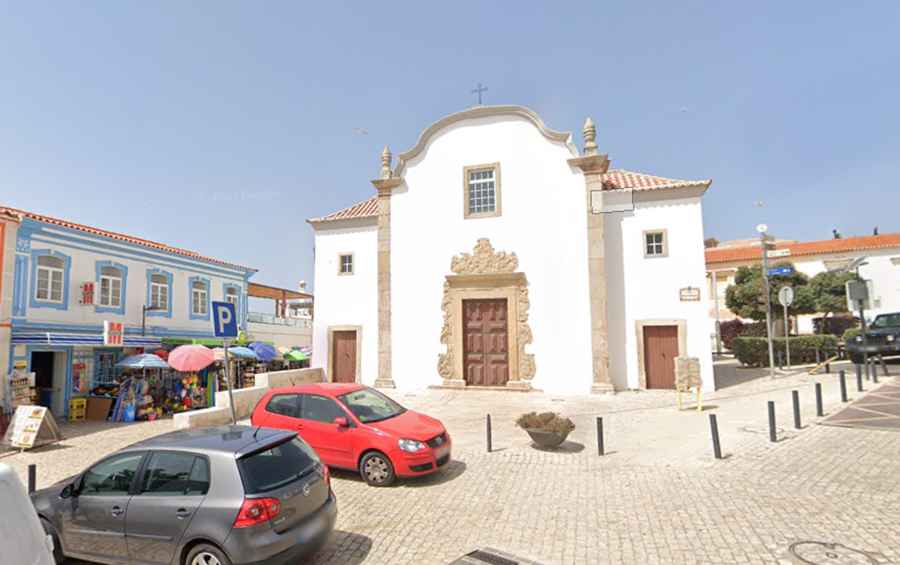
| Algarve Road Facts & Logistics | |
|---|---|
| Major Highway | A22 (Autoestrada do Algarve) – Electronic Tolls |
| Scenic Route | N125 (Coastal road, busy and slower) |
| Old Town Access | Very narrow streets; restricted traffic zones |
| Parking | Difficult in summer; use designated parking hubs outside center |
1. Navigating the Algarve Road Network
There are two main ways to move east and west through the Algarve. The A22 is a modern motorway that allows you to travel quickly between towns, but it uses an electronic toll system. You cannot pay with cash at a booth; your car must have a transponder or you must pay at a post office later. The N125 is the older coastal road. It is free to use but often very crowded and has many roundabouts. Driving on the N125 requires more patience but takes you closer to the coastal villages and beaches like Praia da Falésia.
2. Driving Challenges in Albufeira’s Old Town
The Old Town of Albufeira is a historic district with very narrow streets and steep hills. Many of these roads were not designed for modern cars, and some are restricted to residents only. If you are driving into the center, be prepared for tight maneuvers and limited visibility. It is often better to leave your vehicle in one of the larger parking areas on the outskirts of the historic district and walk the rest of the way. This avoids the stress of navigating through crowds of pedestrians and narrow stone walls.
3. Coastal Weather and Road Conditions
The Mediterranean climate in Albufeira means the roads are dry and safe most of the year. However, the intense summer sun can make the asphalt very hot, which increases tire wear. During the mild winters, occasional heavy rain can make the older roads like the N125 quite slippery due to oil and dust buildup. Always check your tire pressure and cooling system before heading out on a long drive across the south coast, especially if you are visiting remote beaches like Praia do Evaristo.
4. Vehicle Logistics and Supplies
Hiring a car is the most common way to explore the area, as it gives you the freedom to move away from the main tourist spots. When you pick up a car, make sure it is equipped for the A22 electronic tolls to avoid fines. Keep a basic supply of water in the car, as temperatures can rise quickly during the day. Most gas stations are easy to find along the main roads, but they can be sparse once you head inland toward the more mountainous parts of the region.
Conclusion: Mastering the Roads of Southern Portugal
Driving in Albufeira and across the Algarve is a great experience if you understand the local logistics. By choosing the right road between the A22 and the N125 and being careful in the historic town centers, you can enjoy a safe and smooth journey. Plan your parking in advance, stay alert for toll signs, and enjoy the freedom of the open road along the Atlantic coast. Proper preparation is the best way to make your trip to Portugal a success.