How dangerous is the unpaved Road FV112 on Hamnøya Island?
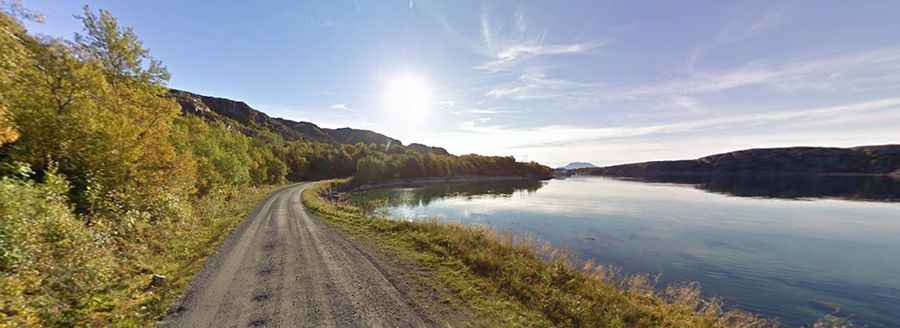
Road FV112 is a remote coastal track located on the island of Hamnøya, in the Nordland county of Northern Norway. Stretching along the edge of the Norwegian Sea, this unpaved route is the only lifeline for the small settlements of the island. While it may look like a quiet country lane, the FV112 is a raw Arctic road where the gravel is constantly hammered by Atlantic storms, turning a simple 9-kilometer drive into a technical challenge where the soft shoulders and lack of safety barriers offer zero protection against the freezing coastal waters.
| Road facts: FV112 (Hamnøya) | |
|---|---|
| Location | Hamnøya Island, Nordland (Norway) |
| Length | 9.6 km (6.0 miles) |
| Surface | Unpaved / Gravel / Dirt |
| Access | Ferry from Forvik (FV17) |
| Hazard Level | Moderate (Narrow lanes & Arctic weather) |
How long is the unpaved Road FV112 from the Forvik ferry?
The road spans 9.6 km (6.0 miles) from the ferry dock at Forvik—the connection point to the main Road FV17—to the small village of Hamn. The entire journey is a slow crawl over packed gravel and dirt. The track follows the coastline so closely that you are often just a few meters away from the shoreline. Because it serves local residents and tractors, the surface is frequently torn up, developing deep ruts and "washboard" ripples that will vibrate your vehicle to its limit. If you meet another vehicle on the narrowest sections, someone will have to reverse back to a passing point, as the soft, grassy shoulders will not hold the weight of a car.
What are the main hazards on the Hamnøya coastal track?
The primary risk on the FV112 is the combination of its narrow width and the lack of any safety infrastructure. There are no guardrails between the gravel and the steep hillsides or the sea. During the long Arctic nights, the total lack of lighting makes it nearly impossible to see where the road ends and the soft earth begins. Furthermore, the coastal fog in Nordland can drop visibility to near-zero in seconds, forcing you to drive at a walking pace to avoid sliding off the edge. You must also watch out for slow-moving local machinery; on a road this narrow, a tractor takes up the entire lane, leaving you with no choice but to find a wider spot to pull over.
Is the Road FV112 dangerous to drive in winter?
While local crews try to keep the road open for the ferry link, winter on Hamnøya is brutal. From October to April, the unpaved gravel becomes a sheet of ice that is often invisible under a layer of fresh snow. Without studded winter tires, the FV112 is a death trap; the gradients, though not extreme, are enough to send a vehicle sliding toward the water if the wheels lose grip. Arctic storms can bring blowing snow that buries the track in minutes, and since there are no repair shops or emergency services on the island, a simple slide into a ditch can leave you stranded in sub-zero temperatures until the next ferry arrives.
What do you need to know before driving onto Hamnøya?
Self-sufficiency is mandatory before you roll off the ferry at Forvik. There are no fuel stations or shops on Hamnøya, so your tank must be full before leaving the FV17. If you have a mechanical failure, help is far away and very expensive to bring over by boat. The "road" is a functional tool for the islanders, not a tourist highway, so treat the surface with respect. A single tire blowout on the sharp Arctic gravel can ruin your trip, as there is nowhere to buy a replacement on the island. Always double-check the ferry return times; if the weather turns or you miss the last boat, you'll be spending a very cold night on the edge of the Nordland coast.