Driving to Cima Uomo: The brutal 20% ski-station track in the Dolomites
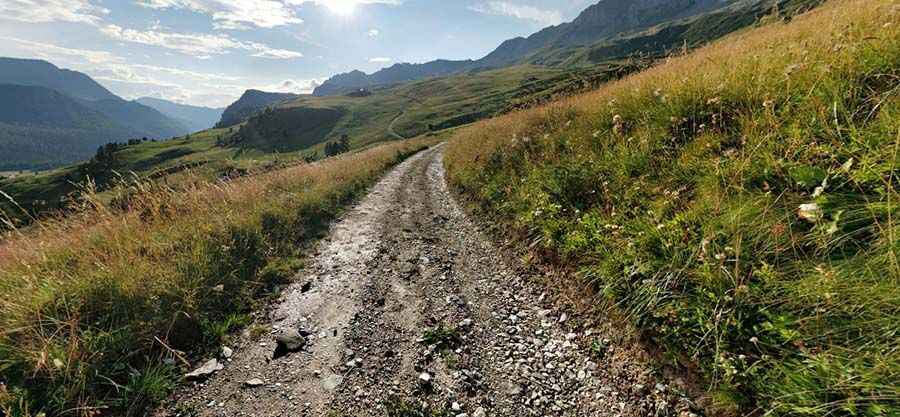
Cima Uomo is a mountain peak at an elevation of 2,480 meters (8,136 ft) above sea level in the Dolomites, located within the Autonomous Province of Trento, Italy. Starting near Passo San Pellegrino, the unpaved track serves as a ski resort maintenance route for upper chairlift stations and mountain infrastructure.
| Road facts: Cima Uomo | |
|---|---|
| Location | Passo San Pellegrino, Trento, Trentino-Alto Adige (Italy) |
| Elevation | 2,480 m (8,136 ft) |
| Length | 3.5 km (2.2 miles) from Passo San Pellegrino |
| Elevation Gain | 547 m (1,794 ft) |
| Max Gradient | 20% |
| Surface | Unpaved (Loose gravel, stones, and dirt) |
| Vehicle Required | High-clearance 4x4 with low range |
Where is the road to Cima Uomo located?
The route begins at Passo San Pellegrino in the Moena municipality. The 3.5-kilometer service track gains 547 vertical meters as it climbs the steep southern slopes of Cima Uomo toward the upper lift stations at 2,480 meters elevation.
How steep is the drive to Cima Uomo?
Starting from the pass, the 3.5-kilometer track averages a 15.6% gradient, with sustained incline ramps reaching up to 20%. The unpaved surface consists of loose limestone gravel and exposed mountain rock. High ground clearance and low-range four-wheel drive are required to clear rocky ledges and prevent tires from spinning on steep inclines.
What hazards exist on the Cima Uomo track?
The single-lane service track lacks guardrails along exposed mountain slopes. Rainstorms wash loose stones onto the driving line and turn the earth into mud, while steep 20% drops require using low-range gears to engine brake and prevent brake pads from overheating on the descent back to Passo San Pellegrino.
Is the road to Cima Uomo open year-round?
No. At an elevation of 2,480 meters, heavy snow accumulation buries the track for most of the year. During winter and spring, the route is integrated into the active ski area. Snow melts late in the season, leaving only a short late-summer window when maintenance vehicles can access the upper peak.
Pic: Davide Stani