Is the road to Monte Amiata in Tuscany difficult to drive?
Reaching the summit of Monte Amiata is a climb through the dense forests of an ancient, extinct volcano. At 1,720m (5,643ft) above sea level, this peak in the Province of Siena is the highest point in southern Tuscany. The Strada Provinciale Vetta dell'Amiata, which leads to the top, is a demanding route where the steepness of the terrain and the condition of the asphalt require constant attention from the driver.
| Road facts: Monte Amiata | |
|---|---|
| Location | Siena, Tuscany (Italy) |
| Elevation | 1,738m (5,702ft) |
| Road Name | Strada Provinciale Vetta dell'Amiata |
| Max Gradient | 15% |
| Length | 12.9 km (8 miles) from Abbadia San Salvatore |
How long is the ascent to Monte Amiata?
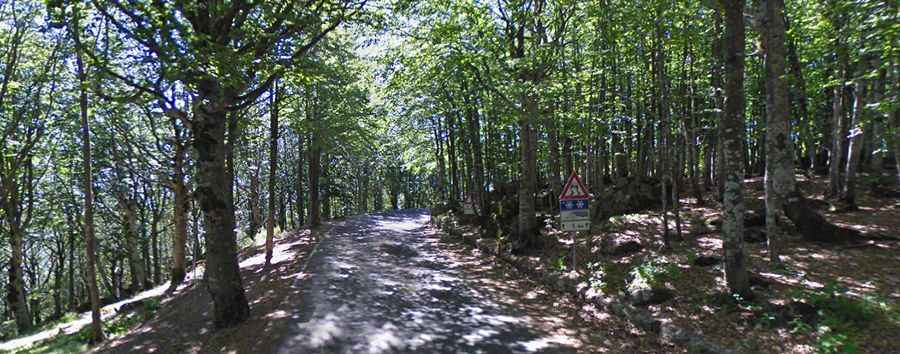
Starting from Abbadia San Salvatore, the drive to the summit is 12.9 km (8 miles) long. Over this distance, you face an elevation gain of 847 meters. While the average gradient sits at 6.6%, this figure is deceptive. The road features several punishing sections where the incline hits 15%, forcing frequent gear changes and putting a significant load on your engine’s cooling system during the summer months. The route winds through thick beech and chestnut forests, meaning you are often driving in deep shade even on sunny days.
What is the road condition on the Vetta dell'Amiata?
The asphalt on the Strada Provinciale Vetta dell'Amiata is far from perfect. As seen on the ground, the surface is worn and covered in patches, with cracks that can unsettle the suspension of a car at higher speeds. A major hazard is the accumulation of organic debris; fallen leaves and damp moss often cover the edges of the road, significantly reducing tire grip, especially in the tightest hairpins. During autumn and winter, this debris turns into a slippery sludge that can cause understeer if you enter the corners too aggressively.
What are the hazards near the summit of Monte Amiata?
As you approach the summit area, the road becomes more exposed. The region is dominated by communication antennas and a massive iron cross. The main hazard here is the weather. Due to its isolated position, Monte Amiata often attracts sudden fog and heavy snowfall. In winter, the road is frequently covered in ice, and despite being a popular ski destination, the steep 15% ramps make it treacherous without high-quality winter tires or chains. Visibility can drop to almost zero in the forest sections, making it hard to spot the sharp bends and the uneven pavement.
How to manage the descent from Monte Amiata?
Descending from the peak requires careful brake management. The combination of steep gradients and narrow lanes means you’ll be on the brakes constantly. To avoid overheating your pads, use engine braking as much as possible, especially in the 15% sections. Watch out for local traffic and delivery vans heading to the hotels and restaurants at the top; the road is narrow, and in many curves, there is barely enough space for two vehicles to pass comfortably. Keep your eyes on the road surface to avoid the deepest cracks and ruts that line the climb.