How to drive the steep road to Colle San Zeno?
Colle San Zeno (also known as Colma di San Zeno) is a mountain pass at an elevation of 1,434 meters (4,704 ft) above sea level, located in the Province of Brescia, Lombardy, Italy. The paved road connects Pisogne on Lake Iseo with Pezzaze in Val Trompia through the Prealps.
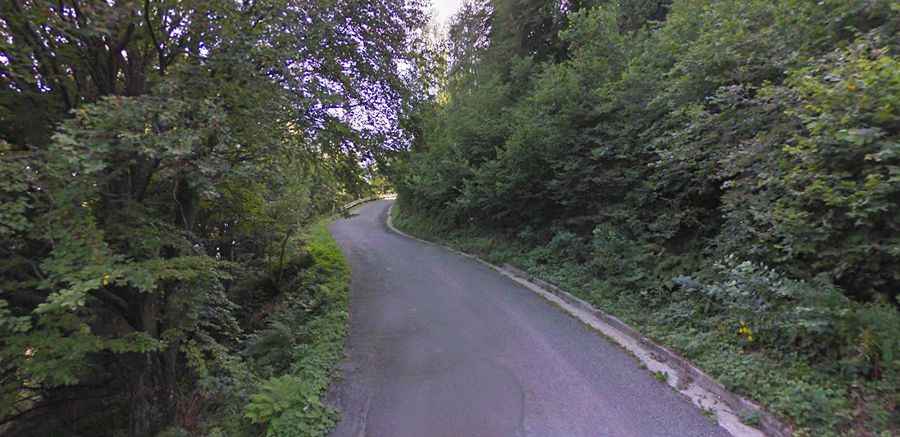
| Road facts: Colle San Zeno | |
|---|---|
| Location | Pisogne to Pezzaze, Brescia, Lombardy (Italy) |
| Elevation | 1,434 m (4,704 ft) |
| Length | 23.9 km (14.8 miles) |
| Max Gradient | 13% |
| Hairpin Turns | 34 switchbacks |
| Surface | Paved asphalt (Narrow) |
Where is the road to Colle San Zeno located?
The road climbs out of the Val Camonica from Pisogne near Lake Iseo, running east along the Via Case Sparse Mondaro toward the pass summit before descending into the Val Trompia toward Pezzaze.
How steep is the drive to Colle San Zeno?
The 23.9-kilometer climb maintains continuous gradients between 9% and 10%, with individual ramps reaching up to 13%. The entire route is paved, featuring a narrow single-lane roadbed with 34 sharp hairpin turns through forested sections and open pastures.
What hazards exist on the Colle San Zeno pass?
The main hazard is the narrow asphalt road, which lacks central markings and safety barriers along exposed upper slopes. Meeting oncoming traffic, local farm vehicles, or cyclists on blind switchbacks requires stopping or reversing to wider passing pockets. On the long descent into the valley, drivers must use low gears to engine brake and prevent brake pads from overheating.
What roads connect to the summit of Colle San Zeno?
Near the summit at Rifugio Piardi, an unpaved branch track splits off toward the ridge. This 3.8-kilometer dirt path climbs to the telecommunications tower at Colma di Marucolo (1,857 m), requiring a high-clearance 4x4 vehicle.
Is the road to Colle San Zeno open in winter?
The road generally remains open year-round, but heavy snowstorms between December and March frequently cause temporary closures. Snowplows clear the pass to maintain access to the summit refuge, though black ice forms quickly in shaded corners during cold spells.