Pas du Paradis: Driving the D1006/SS25 Border Road in the Alps
Located on the border between France and Italy, Pas du Paradis is a mountain pass at an elevation of 1,731m (5,679ft) above sea level. This paved road connects the Savoie department in France with the Piedmont region in Italy.
| Road facts: Pas du Paradis | |
|---|---|
| Location | Savoie (France) / Turin (Italy) |
| Elevation | 1,731 m (5,679 ft) |
| Length | 60 km (37.2 miles) |
| Road Designation | D1006 (FR) / SS25 (IT) |
| Surface | Paved |
How is the road through Pas du Paradis?
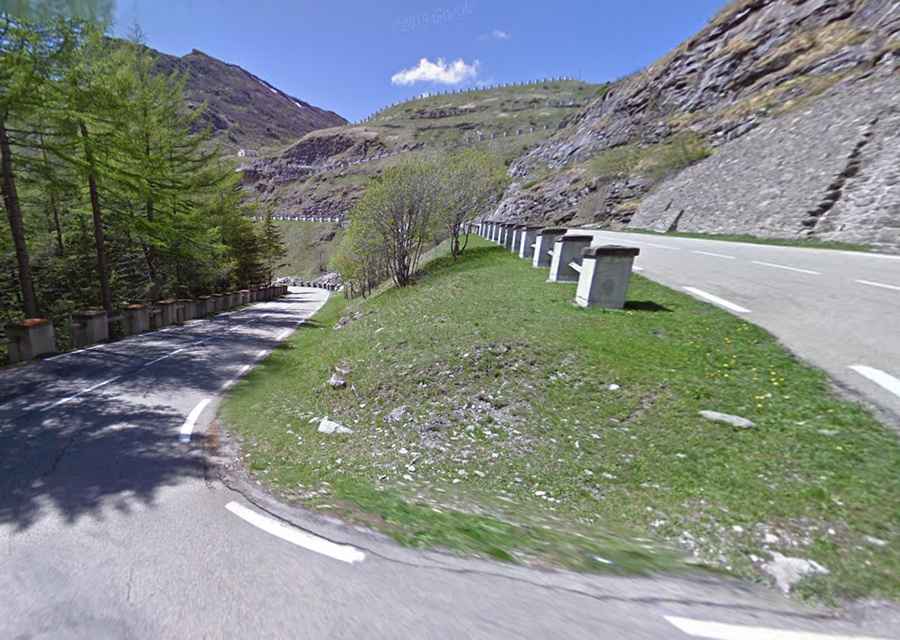
The road through Pas du Paradis is 60 km (37.2 miles) long, linking Modane and Susa. It is called D1006 on the French side and SS25 (Strada Statale 25 del Moncenisio) on the Italian side. The road is asphalted but has sections with many hairpin turns, especially on the climb from Lanslebourg. The lane width is limited in several parts, which makes it difficult for long or wide vehicles to pass each other on the curves.
What are the vehicle limits on the Pas du Paradis road?
The road has size and weight restrictions. Large trucks and long buses are often prohibited or restricted because they cannot navigate the tight radius of the switchbacks without crossing into the opposite lane. On the Italian side, the descent toward Susa is narrow and passes through several small villages with limited clearance. Drivers of motorhomes must check the specific height and width limits before starting the drive to avoid getting stuck in the most technical sections.
What are the hazards on the road to Pas du Paradis?
The main hazards at Pas du Paradis are brake overheating and weather changes. The 60 km trip involves long descents where engine braking is necessary to avoid brake fade. At 1,731 meters, fog and ice are common, even outside of winter. Strong winds on the high plateau can affect the stability of high-profile vehicles like vans. The road is usually closed from November to May due to snow accumulation. It is not cleared during these months, and the gates are locked at both ends.
What is the driving strategy for the Pas du Paradis switchbacks?
Driving through Pas du Paradis requires a vehicle with a good cooling system. During the climb, monitor the engine temperature to prevent overheating. On the descent, use low gears to control the speed and save the brakes. It is mandatory to carry snow chains or use winter tires during the spring and autumn, as temperatures at the summit can drop below freezing quickly after dark, creating black ice on the asphalt.