Navigating the Eternal City: What is the Strategic Protocol for Exploring the Holy See and its Surroundings?
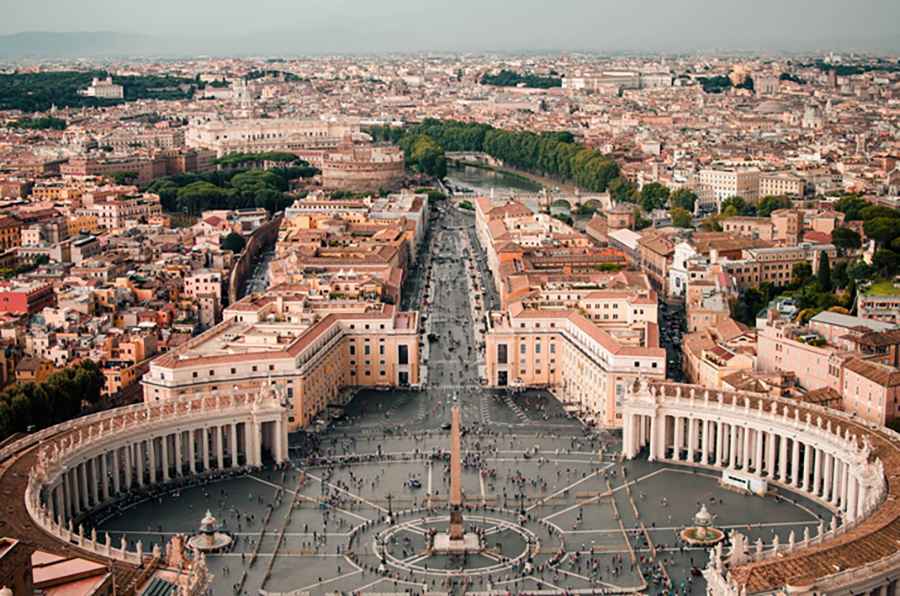
The Vatican City represents one of the most complex logistical nodes in Europe. Surrounded by the high-density urban roads of Rome, this sovereign enclave requires precise transit planning and an understanding of restricted access zones. From the monumental architecture of St. Peter’s Basilica to the fortified corridors of Castel Sant'Angelo, the Holy See is a masterclass in historical engineering and urban management. For the professional traveler, mastering the logistics of entry—including advanced ticket acquisition and navigating the ZTL (Limited Traffic Zones)—is the key to a successful mission in the heart of the Eternal City.
| Vatican Logistics & Access Matrix | |
|---|---|
| Primary Access Node | Vatican Museums & Sistine Chapel |
| Strategic Asset | St. Peter’s Basilica (High-capacity infrastructure) |
| Logistical Link | Passetto di Borgo (Vatican to Castel Sant'Angelo) |
| Operational Priority | Advanced booking for Vatican tours & Papal audiences |
Vatican Museums: Auditing High-Density Cultural Flows
The Vatican Museums manage one of the highest visitor densities in the world. To successfully navigate this cultural mecca, advanced logistical planning is mandatory. Utilizing specialized Vatican tours allows for a more efficient transit through the extensive corridors of classical sculpture and the Sistine Chapel’s frescoes. Understanding the internal flow of these museums is essential to avoid bottlenecks and ensure you maximize your time auditing some of the greatest works in human history.
St. Peter’s Basilica: Analyzing Grand-Scale Engineering
St. Peter's Basilica is an engineering marvel that defines the Roman skyline. From its massive dome to the intricate details of the nave, the structure is designed to manage large-scale human transit. When auditing the site, pay close attention to the structural integrity and the historical layers that span centuries. Navigating the roads leading to the Basilica requires coordination with local transport authorities, as the area is a high-security zone with strict pedestrian and vehicle controls.
Urban Fortifications: The Castel Sant'Angelo Corridor
Castel Sant'Angelo serves as a critical historical fortification linked to the Vatican by a fortified wall known as the Passetto di Borgo. This corridor provided a secure escape route for Popes throughout history. Auditing the castle’s imposing structure offers a glimpse into ancient Roman engineering and Renaissance defensive tactics. Reaching this site from the Vatican requires a short but strategic transit through the Borgo neighborhood, where the narrow roads demand high-precision pedestrian movement.
Mass Gatherings: Logistics of the Papal Audience
Participating in a Papal Audience in St. Peter’s Square is an exercise in large-scale event logistics. Thousands of pilgrims gather monthly, requiring the city to deploy significant security and crowd-control measures. For the traveler, securing a seat requires early coordination and an understanding of the square's capacity limits. Navigating the surrounding roads during these events is a major challenge, as many transit lines are rerouted to accommodate the influx of visitors.
Conclusion: Mastering the Vatican Expedition
A mission to the Holy See is a unique logistical challenge that rewards those who prepare. By auditing your access to the Vatican Museums, understanding the architectural scale of St. Peter’s, and navigating the historical corridors of Rome’s roads, you ensure a high-performance experience. The Eternal City is a theater of history and engineering; approach it with professional discipline and a clear transit plan. Secure your tours, verify your ZTL maps, and focus on the road. The splendors of the Holy See are waiting.