Monte Zoufplan: Driving the narrow 1,343m climb in Friuli-Venezia Giulia
Monte Zoufplan is a mountain peak at an elevation of 1,968 meters (6,456 ft) above sea level, located in the Carnic Alps within the Province of Udine, Friuli-Venezia Giulia, Italy. The road climbs the ridge from the Degano Valley to access weather and seismic monitoring infrastructure near the summit.
| Road facts: Monte Zoufplan | |
|---|---|
| Location | Cercivento, Udine, Friuli-Venezia Giulia (Italy) |
| Elevation | 1,968 m (6,456 ft) |
| Length | 15.9 km (9.8 miles) from Cercivento |
| Elevation Gain | 1,343 m (4,406 ft) |
| Average Gradient | 8.44% |
| Surface | Partially paved asphalt (10 km) / Unpaved gravel (5.9 km) |
Where is the road to Monte Zoufplan located?
The climb starts in the village of Cercivento in the Val Calda region of Udine. The 15.9-kilometer route climbs the southern slopes of the Carnic Alps toward the weather radar station at 1,968 meters elevation.
How steep is the climb to Monte Zoufplan?
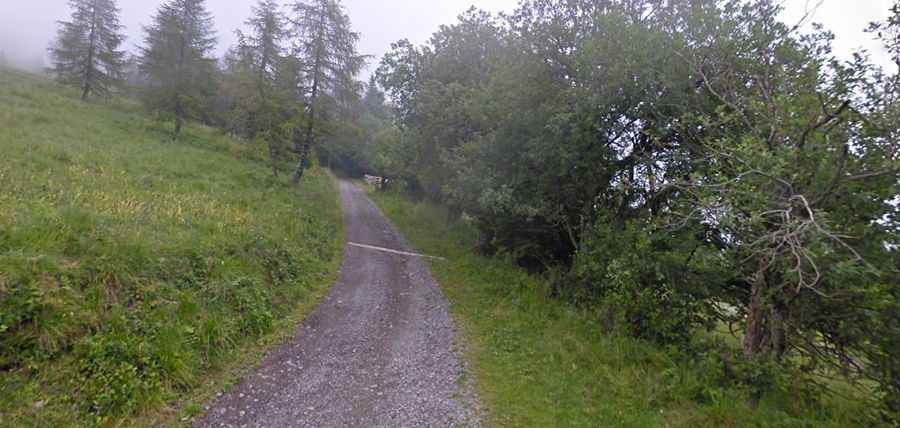
Starting from Cercivento, the road gains 1,343 vertical meters over 15.9 kilometers, averaging an 8.44% gradient with sustained ramps exceeding 12%. The first 10 kilometers feature narrow single-lane asphalt, while the final 5.9 kilometers to the summit transition to loose gravel and mountain dirt.
What hazards exist on the Monte Zoufplan road?
The single-lane paved sector lacks guardrails along steep drops, and passing pockets are infrequent, requiring drivers to stop or reverse on steep inclines to clear oncoming vehicles. The upper gravel track contains loose stones and ruts created by rainwater runoff. Low gears are necessary on the 1,343-meter descent to engine brake and prevent brake pads from overheating.
Is the road to Monte Zoufplan open in winter?
No. Heavy snowfall and ice block the upper road from late October through June. Snowplows do not clear the unpaved gravel sector above the tree line, leaving the peak unreachable by motor vehicle outside the dry summer months.