How to Drive Safely in Iceland
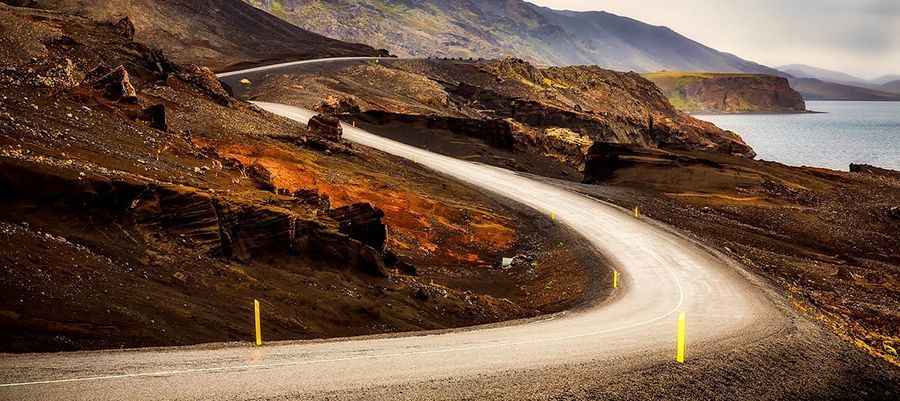
Driving in Iceland requires a specific understanding of high-latitude logistics and terrain classification. The road network ranges from the paved Ring Road (Route 1) to the highly technical F-roads in the interior highlands. Navigating these routes involves managing river crossings, loose volcanic gravel, and extreme weather shifts that can compromise vehicle integrity in minutes.
| Iceland Driving Logistics | |
|---|---|
| Road Types | Paved, Gravel, and Mountain Tracks (F-roads) |
| Vehicle Requirement | 4x4 mandatory for F-roads and Highlands |
| River Crossings | Common on F-roads; requires high intake/snorkel |
| Speed Limits | 90 km/h (paved), 80 km/h (gravel) |
What are the technical requirements for F-roads in Iceland?
Iceland classifies its mountain tracks as F-roads (the "F" stands for Fjallvegur, meaning mountain road). By law, these routes are only accessible with 4x4 vehicles. These tracks are strictly seasonal and usually remain closed due to mud and snow until mid-June or early July. Driving on F-roads in Iceland involves navigating unbridged river crossings where water levels fluctuate based on glacial melt and rainfall. It is mandatory to travel in a convoy of at least two vehicles in the Highlands, as mechanical support is non-existent and mobile coverage is unreliable in the interior.
What are the main hazards when driving on Icelandic gravel?
The transition from paved asphalt to gravel (Malarvegur) is a primary cause of accidents in Iceland. The loose volcanic surface reduces tire traction significantly. When a vehicle leaves the asphalt at high speed, the loss of control is often immediate. Additionally, many bridges in rural areas are single-lane; the rule is that the vehicle closest to the bridge has the right of way. In the North and Westfjords, steep gradients and narrow coastal tracks require constant use of engine braking to prevent brake fade on long descents. Off-road driving (outside of marked tracks) is strictly prohibited and carries heavy fines due to the fragile nature of the volcanic soil.
How to manage extreme weather and wind logistics?
Weather conditions in Iceland are highly volatile. High-velocity winds are a major logistical hazard, capable of blowing car doors off their hinges if opened toward the wind. Always hold the door firmly with both hands when exiting the vehicle. During sandstorms or blizzards, visibility can drop to zero, and roads are frequently closed by the authorities (Vegagerðin). It is mandatory to check the real-time road conditions before any transit. If a road is marked as closed (Lokað), do not attempt to pass, as recovery services will not be able to reach you and insurance coverage will be voided.
How to plan fuel and supplies for Highland transits?
In the Highlands and remote areas like the Snæfellsnes Peninsula or North Iceland, gas stations are scarce. The logistical rule is to refuel at every opportunity, even if the tank is half full. For F-road expeditions, carrying extra fuel in certified jerry cans is recommended. Ensure your vehicle is equipped with a full-size spare tire, a tow rope, and a shovel. GPS devices often struggle with literal Icelandic toponyms; using updated physical maps is more reliable for identifying track numbers and river crossing points. When parking, only use designated areas to avoid damaging the terrain and to prevent being hit by other vehicles on narrow, winding roads.