Deutsche Weinstrasse: Driving the German Wine Route in Rhineland-Palatinate
The Deutsche Weinstrasse (German Wine Route) is a scenic paved highway spanning 85 kilometers (52.8 miles) through the Palatinate region of Rhineland-Palatinate in western Germany. Running north-south between Schweigen-Rechtenbach on the French border and Bockenheim an der Weinstrasse, it is the oldest designated wine tourism route in the world, operating continuously since October 1935.
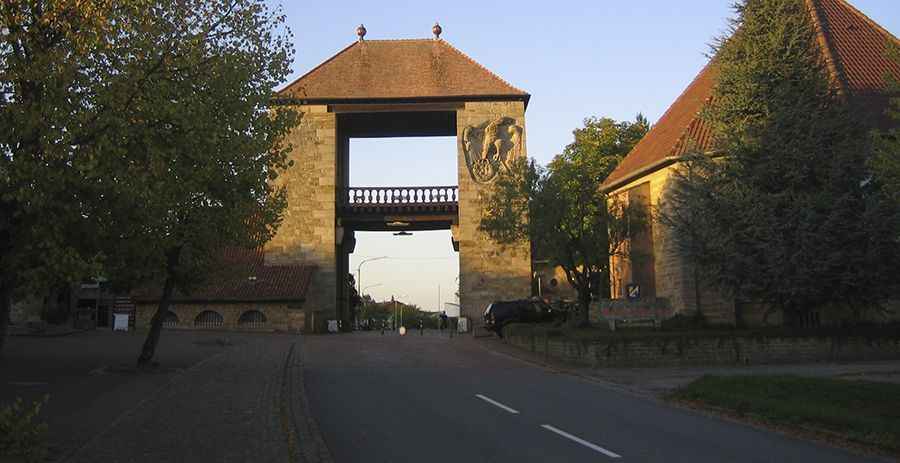
| Road facts: Deutsche Weinstrasse (German Wine Route) | |
|---|---|
| Location | Rhineland-Palatinate (Germany) |
| Route Designation | B38 / B271 / L516 corridors |
| Length | 85.0 km (52.8 miles) |
| Southern Terminus | Deutsches Weintor (Schweigen-Rechtenbach) |
| Northern Terminus | Haus der Deutschen Weinstrasse (Bockenheim) |
| Surface | Fully paved asphalt |
| Key Hazards | Narrow cobblestone village bottlenecks, agricultural machinery traffic, weekend congestion |
Where is the Deutsche Weinstrasse located?
The route runs north-south along the eastern foothills of the Haardt mountain range in the Palatinate forest region of southwestern Germany. The southern start sits at the Deutsches Weintor monument in Schweigen-Rechtenbach on the Alsace border, following federal highways B38 and B271 north to Bockenheim. It is one of the Germany’s Most Beautiful Scenic Drives.
Is the Deutsche Weinstrasse paved?
Yes. The entire 85-kilometer highway is fully paved with asphalt, incorporating sections of regional routes L516 and federal highways B38 and B271. While main road sections feature two lanes, passing through historic wine villages forces vehicles into single-lane, cobblestone-paved streets with narrow house clearances.
How long does it take to drive the Deutsche Weinstrasse?
Direct driving time across the 85-kilometer route takes roughly two hours without stops. However, local traffic slows significantly due to low speed limits (30 km/h) inside village centers, agricultural tractor movements between vineyards, and heavy weekend tourist traffic between April and October.
What driving conditions exist along the Deutsche Weinstrasse?
The Palatinate valley benefits from a mild microclimate sheltered by the Pfälzerwald hills, resulting in dry, ice-free road conditions throughout most of the year. The primary driving difficulties stem from tight turns through medieval village centers, tight parking bottlenecks in historical towns like Bad Dürkheim and Neustadt an der Weinstrasse, and agricultural transport vehicles pulling onto the highway from vineyard tracks.