What are Germany’s 4 Most Beautiful Scenic Drives?
Germany features a highly developed road network that includes specialized tourist routes engineered to connect historical and industrial hubs. These scenic drives in Germany are not only cultural corridors but also significant logistical routes that require specific driving planning due to their length and the variety of road types they traverse, from high-speed Autobahns to narrow secondary paved tracks.
| Logistics: Major German Scenic Routes | |
|---|---|
| Longest Route | Castle Road (1,200 km) |
| Shortest Route | Wine Route (85 km) |
| Surface | Fully Paved (Asphalt) |
| Key Hazards | Heavy transit, narrow old-town passages |
How long is the Romantic Road?
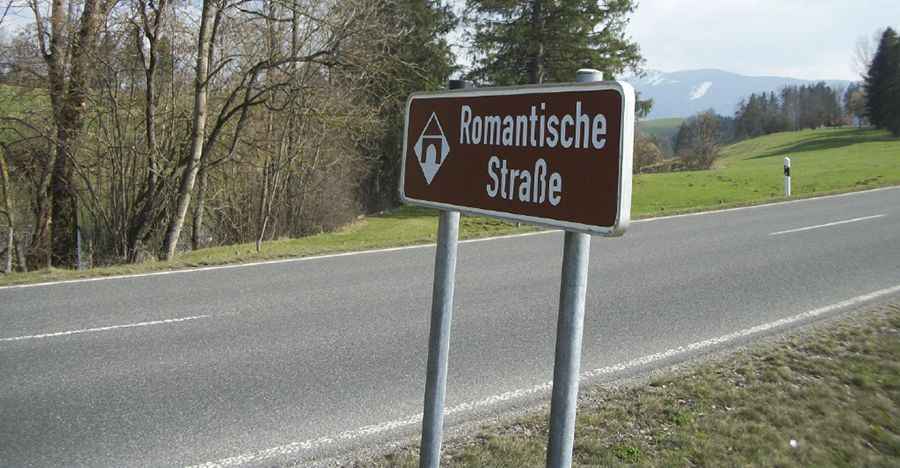
The Romantic Road (Romantische Straße) is a 400-kilometer north-south drive starting in Würzburg and ending in Füssen. Technically, the route consists of several state roads (Landstraßen) and federal highways. Drivers must manage frequent transitions between high-speed sectors and urban zones with cobblestone surfaces in towns like Rothenburg ob der Tauber and Dinkelsbühl. The final section towards Neuschwanstein involves increased gradients as it approaches the Bavarian Alps, requiring consistent brake management during the descent phases.
What are the driving conditions on the Castle Road?
The Castle Road (Burgenstraße) is a massive 1,200-kilometer east-west road starting in Mannheim. Logistically, this route is complex due to its length and the density of historical sites (over 70 castles). Driving strategy involves navigating the Neckar Valley and the Franconian Heights. The road surface is generally high-quality asphalt, but vehicle cooling systems must be monitored when idling in high-traffic urban centers like Nuremberg, Bamberg, and Heidelberg. Heavy vehicle transit is common on the federal sections of this route.
Is the German Wine Road suitable for heavy vehicles?
The Wine Road (Deutsche Weinstraße) is the shortest of the major circuits, covering 85 kilometers between Schweigen-Rechtenbach and Bockenheim. It is located in the Rhineland-Palatinate region, characterized by rolling terrain. While the road is fully paved and maintained, it is narrow in several vineyard sectors. Drivers should be aware of agricultural machinery (tractors and harvesters) frequently entering the roadway. During the harvest season, the technical grip of the surface can be reduced by organic debris and mud brought onto the asphalt from the surrounding fields.
What is the route of the Fairy Tale Road?
The Fairy Tale Road (Deutsche Märchenstraße) spans 600 kilometers from Hanau in central Germany to Bremen near the North Sea. The route primarily follows the B83 and other federal highways, crossing the Weser Uplands. Driving this route requires planning for varying weather conditions, as it moves from the dense forests of Hessen to the maritime climate of the north. The technical difficulty is low, but the route passes through numerous protected historical centers with strict weight and speed restrictions for motorized transit.