How to drive the steep Chemin dit de Vormy to Tête de la Sallaz?
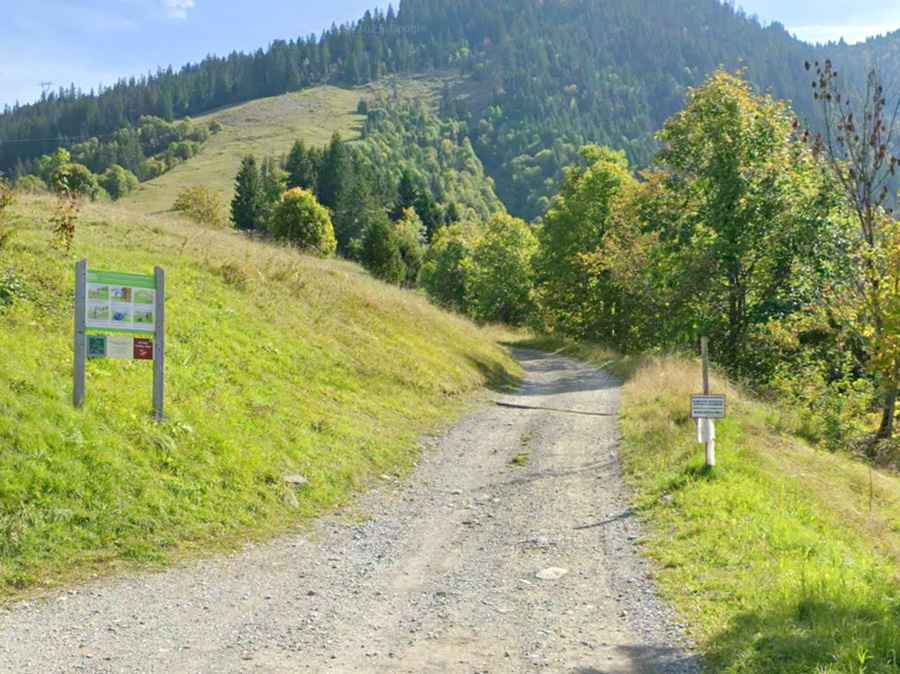
Tête de la Sallaz is a high mountain peak reaching an elevation of 1,992m (6,535ft) above sea level, located in the Haute-Savoie department of the Auvergne-Rhône-Alpes region in south-eastern France. Part of the Aravis Range, the climb to the summit is one of the steepest in the area, following a rugged track known as Chemin dit de Vormy.
| Road facts: Tête de la Sallaz | |
|---|---|
| Location | Haute-Savoie, France |
| Elevation | 1,992 m (6,535 ft) |
| Average Gradient | 14.74% |
| Max Gradient | 20% |
| Surface | Unpaved / Gravel / Dirt |
How challenging is the climb to Tête de la Sallaz?
The ascent to Tête de la Sallaz is technically punishing due to its extreme vertical profile. Starting from the D119 road near Romme, the drive is 4.7 km (2.9 miles) long. Over this short distance, you gain 693 meters of elevation. The average gradient is a staggering 14.74%, with several sustained sections reaching 20%. This level of steepness on an unpaved surface means that traction is a constant struggle, especially on the loose gravel stretches of the Chemin dit de Vormy.
What are the driving conditions on Chemin dit de Vormy?
The roadbed is mostly unpaved, consisting of a mix of dirt and crushed rock. Logistically, this track is primarily used for forest management and mountain pasture access, meaning you may encounter agricultural gates or local restrictions. A high-clearance 4x4 vehicle is mandatory to handle the irregular drainage channels and the torque required for the 20% ramps. Technically, the cooling system of your vehicle will be under extreme stress during the 4.7 km climb, while the return descent requires heavy use of low-range engine braking to avoid catastrophic brake fade on the steep gradients.
Best time to reach the Tête de la Sallaz summit
Located in the heart of the French Alps, the track to Tête de la Sallaz is impassable during the winter months due to heavy snow. The best window for a transit is from late June to September. During this period, the track is usually dry, which is essential for maintaining grip on the 20% slopes. While the summit provides panoramic views toward the Mont Blanc massif, your primary focus should remain on the roadbed; sudden alpine thunderstorms can turn the dirt sections into a muddy trap, making the descent toward Romme extremely hazardous for any vehicle without specialized off-road tires.