Is the road to Lac de l’Ouillette in the French Alps difficult to drive?
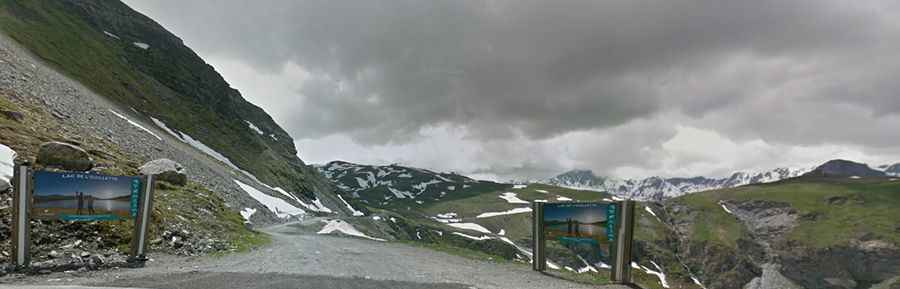
Reaching Lac de l’Ouillette is a short but punishing climb into the high alpine terrain of the Savoie department. At 2,521m (8,270ft) above sea level, this mountain lake sits high above the famous ski resort of Val d'Isère, near the Italian border. This isn't a road for a family minivan; it’s a rugged, unpaved service track that carves through the rocky slopes of the Vanoise massif. If you leave the safety of the paved D902, be prepared for a steep, bumpy ride where the altitude and the incline will test your vehicle's traction.
| Road facts: Lac de l’Ouillette | |
|---|---|
| Location | Savoie, Auvergne-Rhône-Alpes (France) |
| Elevation | 2,521m (8,270ft) |
| Length | 1.7 km (1.05 miles) |
| Starting Point | D902 Road (near Col de l'Iseran) |
| Surface | Unpaved / Loose Rocks / 4x4 Recommended |
How long is the road to Lac de l’Ouillette?
The climb starts directly from the paved D902 road, not far from the legendary Col de l'Iseran. It’s a brief 1.7 km (1.05 miles) stretch, but don't let the short distance fool you. In this small window, you are tackling a significant elevation gain on a track that was built for ski resort maintenance, not for Sunday drivers. The road is a relentless series of steep ramps that wind around the mountain spurs. Expect to move in low gears as you navigate the sharp turns, watching your temperature gauge as your engine works through the thin air at over 2,500 meters.
Is the road to Lac de l’Ouillette unpaved?
The road is entirely unpaved and consists of a treacherous mix of loose gravel and jagged rocks. As seen in the local conditions of the Tarentaise Valley, the surface is often rutted and uneven. This is an active maintenance track for the ski lifts, meaning the ground is constantly shifting due to heavy machinery and the harsh alpine weather. A high-clearance 4x4 vehicle is strongly recommended; the loose stones can easily shred a standard street tire or cause you to lose traction on the steeper hairpins. There are no guardrails, and the track feels very narrow when the drop-off into the valley opens up beside you.
What are the hazards when driving to Lac de l’Ouillette?
The primary hazard is the **volatile alpine weather**. Even in the middle of summer, sudden storms can bring sleet, snow, or heavy rain that turns the dusty track into a slick mud slide. The road is typically buried under meters of snow from October to June, and it only opens once the spring melt is complete and the resort crews clear the way. Another danger is the traffic; you might encounter resort trucks or maintenance vehicles in narrow sections where there is no room to pass. If you have to reverse on these steep, rocky slopes, you’ll need a steady hand and good mirrors. Always check the weather in Val d'Isère before you commit to the climb.
Is the drive to Lac de l’Ouillette worth it?
For those who love the raw atmosphere of the high Alps, reaching the lake is a fantastic detour. The silence at 2,521 meters is absolute, and the views across the Vanoise peaks are world-class. But the focus must stay on the track until the car is safely parked. Ensure your brakes are in perfect condition for the descent back to the D902, as the constant braking on the loose surface will make them heat up quickly. In the Savoie, the mountains reward the patient driver who respects the ruts and the altitude. Take it slow, keep your lights on for visibility in the shadows, and stay sharp.
Driving to Lac de l’Ouillette is a reminder that the best spots in the Alps are often tucked away behind a rough gravel track. It’s a short, intense drive that gives you a taste of the high-altitude life. Check your tires before you leave the asphalt, bring an extra layer of clothing for the summit wind, and focus on the road. The lake is peaceful, but the road up there is a battle. Enjoy the grind.