D212C: Driving the Paved Ascent to Col de l’Homme in the French Alps
Reaching an elevation of 1,766m (5,793ft) above sea level, Col de l’Homme is a high mountain peak located in the Isère department within the Auvergne-Rhône-Alpes region of southeastern France. The summit is accessible via a paved road that serves the Notre-Dame de la Salette sanctuary.
| Road facts: Col de l’Homme | |
|---|---|
| Location | Isère, France |
| Elevation Gain | 822 m |
| Length | 14.3 km (8.88 miles) |
| Average Gradient | 5.74% |
| Road Designation | State Road D212C |
How is the road to Col de l’Homme?
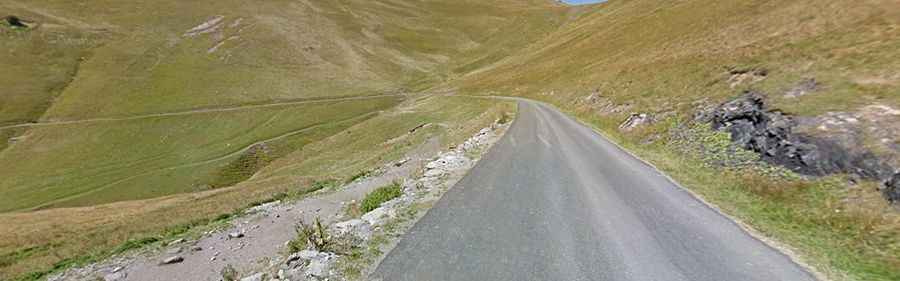
The ascent to Col de l’Homme begins in the town of Corps. The road, officially designated as the D212C (locally known as the Route de la Salette), covers a total distance of 14.3 km (8.88 miles). It is fully paved in good condition. With an elevation gain of 822 meters, the road maintains a consistent average gradient of 5.74%. The road features gentle curves, though the higher sections near the sanctuary become more exposed to Alpine weather conditions.
What are the hazards on the road to Col de l’Homme?
While the D212C is less complex than other high-altitude passes in the Isère department, drivers must be alert for heavy bus traffic and large groups of pilgrims traveling to the Notre-Dame de la Salette sanctuary. The primary mechanical hazard is brake fatigue during the long 14.3 km descent back to Corps. Additionally, the road passes near the Grande Tête de l’Obiou, an area known for historical aviation risks; a memorial cemetery located a few kilometers along the road commemorates the 1950 Canadian aircraft crash victims. This section of the road is prone to sudden crosswinds and mountain fog that can reduce visibility rapidly.
Is the road to Col de l’Homme open in winter?
Access to Col de l’Homme is generally maintained throughout the year to provide service to the sanctuary, but snow chains or winter tires are mandatory from November to April. At 1,766 meters, the summit experience can involve sub-zero temperatures and black ice formation on the final ramps. The large parking lot at the summit is exposed to high-altitude winds, which can create drifts even after the main D212C has been plowed. Drivers should verify the vehicle's heating and defrosting systems before starting the ascent from the valley floor.