Col de Pradel: Can you drive the 20 km narrow road with a 12.9% gradient?
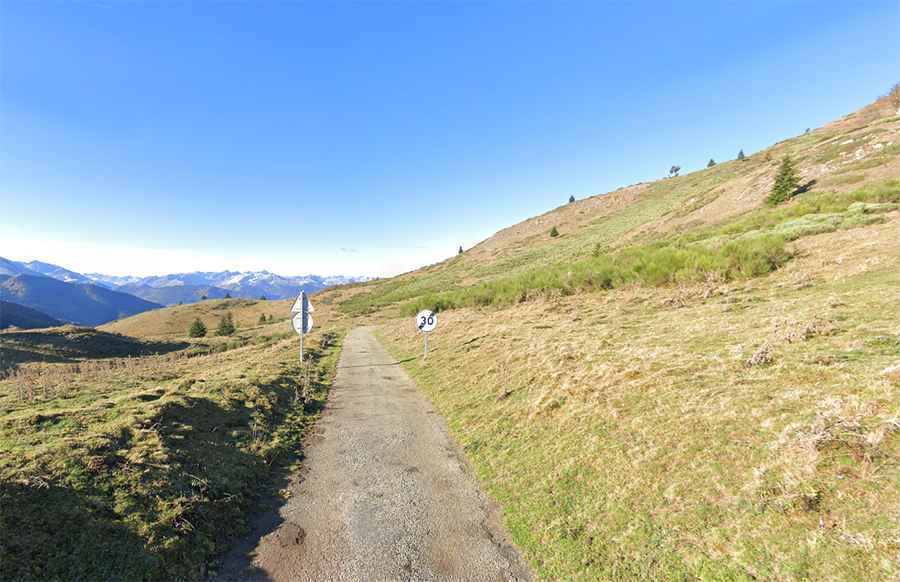
Col de Pradel is a high mountain pass at an elevation of 1,696m (5,564ft) in the Occitania region of France. Located between the Ariège and Aude departments, the road connects the Port de Pailhères area with the Gorges de Rebenty. It is a technical drive where the asphalt is narrow, degraded, and features steep ramps that test the vehicle's braking capacity.
| Road facts: Col de Pradel | |
|---|---|
| Location | Ariège and Aude, France |
| Elevation | 1,696 m (5,564 ft) |
| Length | 20 km (12.4 miles) |
| Max Gradient | 12.9% |
| Road Number | D107 / D25B |
Where exactly is the Col de Pradel road located?
The pass runs for 20 km (12.4 miles) from south to north, starting in Ascou and ending in Niort-de-Sault. The route follows the D25B in Ariège and the D107 in the Aude department. This sector cuts through the heart of the Pyrenees, moving through the narrow Gorges de Rebenty. There are no gas stations or mechanical aid points along this 20 km stretch, so ensuring a full tank in Ax-les-Thermes is a logistical necessity.
Is the asphalt on Col de Pradel safe for all vehicles?
The road over Col de Pradel is fully paved, but the surface is in poor condition with multiple ruts and broken edges. The asphalt is extremely narrow, in some sections barely wide enough for one car, forcing drivers to use small gravel turnouts to pass oncoming traffic. The 12.9% maximum gradient is relentless, and the lack of safety barriers in the higher sectors means the wheels often sit just centimeters away from steep, unprotected drops.
How dangerous is the Col de Pradel descent in winter?
Due to the 1,696m altitude and its geographical position, the road is completely closed to traffic from late autumn until spring. Heavy snowfall buries the 20 km route, and even after the plow passes, black ice remains a constant hazard on the shaded 12.9% ramps. During the open season, summer storms can leave debris and loose stones on the broken asphalt, increasing the risk of a puncture or a sudden loss of traction on the sharp hairpins.
What should you check in your car before driving the Pradel pass?
Before starting the 20 km transit, you must verify that your brake pads and fluid are in peak condition. The descent toward Niort-de-Sault is a thermal trap where constant braking on the narrow turns will cause brake fade if you do not use engine braking. Check your radiator and coolant levels, as the 12.9% inclines in the thin mountain air will put a heavy load on the engine's cooling system. Carry a full-sized spare tire to handle the sharp edges of the degraded asphalt.