10 Most Scenic Railroads Across France
One of the best ways to explore the true beauty of France is by hopping on a train and letting it take you through the most stunning locations! However, how to know which railways to choose and which journeys are the most worth it? Do not worry; we are here to help you make this decision. Here are our top 10 most scenic railroads across France!
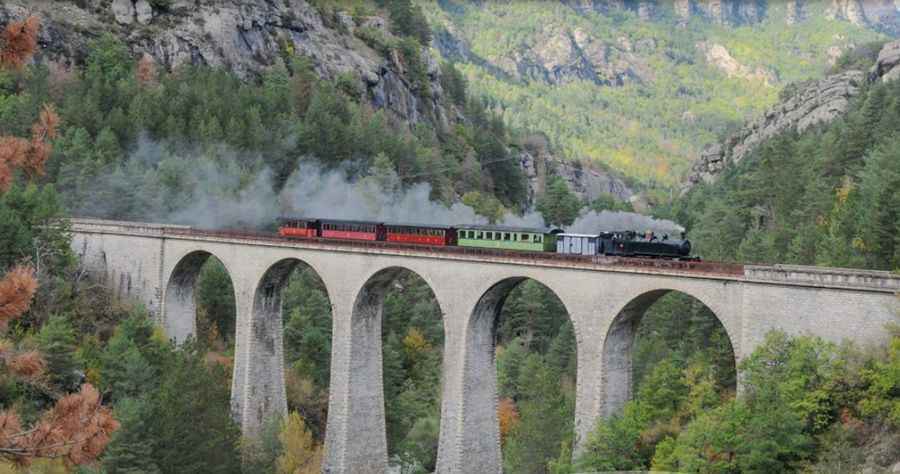
Ligne des Causses
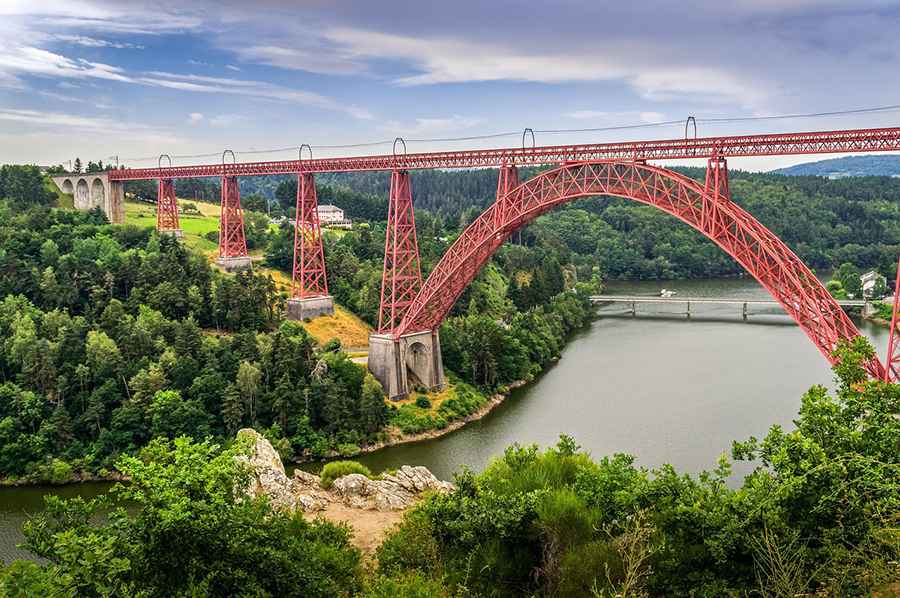
France’s longest single-line track starts at Clermont Ferrand and finishes in the town of Beziers, South of France. This journey is an excellent opportunity to see both architectural masterpieces and the unspoiled greenery of the region. You will cross the famous viaduct of Garabit, the work of sir Gustave Eiffel, which is a national monument! This and all the other viaducts are just one part of the trip. All of the rest will include valleys, stunning vineyards, long tunnels, and rivers!
Most importantly, you will pass the Massif Central - French region of mountains and plateaus, so do not miss out!
Paris to Annecy
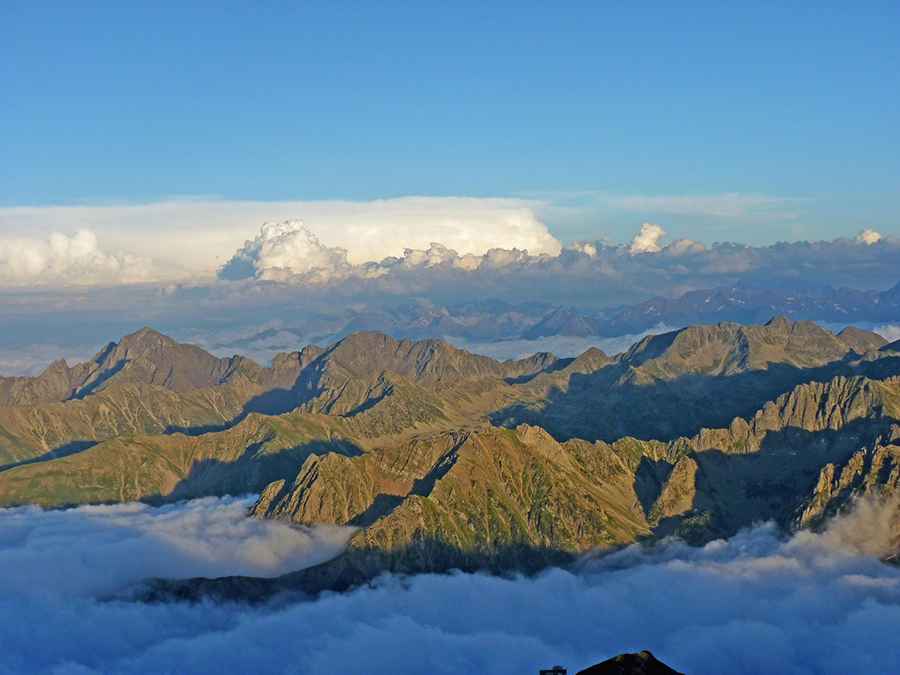
Probably the best thing about France trains is that, more often than not, they cross mountains and summits. Well, traveling from Paris to Annecy allows you to enjoy the magnificence of the French Alps! This is actually the main reason the line is so well-known - on usual occasions, you will encounter hikers and mountain-climbers on the same train!
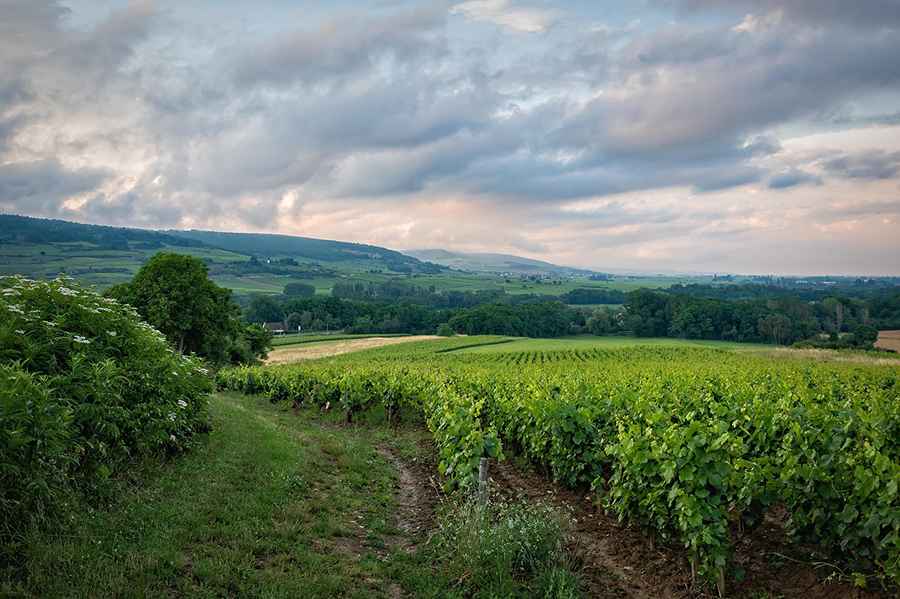
Prepare to be stunned by the sights of Lake Bourget and the lovely wineries of Burgundy. All of which are surrounded by summits and cliffs.
Paris-Mulhouse Railway
Probably the most aesthetically pleasing railroad in France, the Paris-Mulhouse line is a sight to be seen! Back in the 19th century, it used to connect France to Switzerland, and while the travels are more localized right now, the magic of the surroundings has stayed the same. But, of course, the most famous part of the journey is the 3-tier Chaumont viaduct, a 50-acre masterpiece that looks just as stunning as intimidating. In addition, you will see many forests and canals, so keep your eyes open!
And, if you are into late-night travels, just know that the Paris-Mulhouse Railway looks magical in the dark!
Yellow Train
There is just something about this title that makes it undoubtedly French! The lovely Yellow Train takes three hours, so you will have plenty of time to admire and photograph the scenic surroundings.
Located near the Spanish border, this railroad is ranked among UNESCO World Heritage Sites due to its stunning views of valleys and greenery, remote villages, and, of course, the Pyrenees Mountains. It climbs up 1200 meters vertically and passes Bolquere, the highest ski station in France. Also, you can choose your seatings on the vehicle, which has a lot more impact on your journey than you might think. You can either observe safely from beneath the roof of your compartment, or you can sit in an open-top section and breathe in the clean air first-hand!
Nimes and Le Grau-du-Roi
A 51-minute train ride to the lovely commune of Le Grau-du-Roi is, while short, ultimately fulfilling for travelers who enjoy scenic locations and small towns. You will pass through Camargue, a natural region located in the Arles. Due to its setting between the Meditteranean Sea and the two arms of the Rhone delta, Camargue attracts tourists to explore and roam around without having a specific plan. Just enjoy flora and fauna of the town, as they are famous for inhabiting over 400 rare wildlife species!
Bastia to Ajaccio
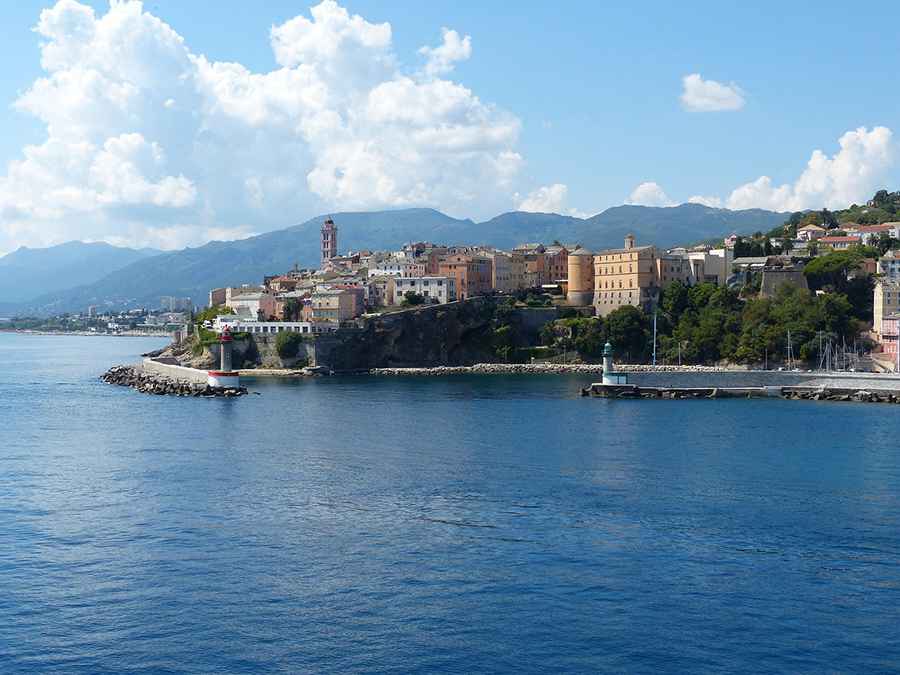
Leave the gorgeous island of Bastia after you have had your fill of adventures and famous wines. Then, get ready for a three-and-a-half-hour train journey through the most stunning locations! You will pass many ancient stone viaducts on the way, with valleys and canyons from both sides. In addition, there are several excellent destinations to stop by on your way to Ajaccio, such as the picturesque, historical town of Corte and, of course, the staggering sights of waterfalls near the commune of Bocognago. After that, you will reach the peak and the final destination of your trip - the medieval beauty that is Ajaccio!
Train des Pignes
A journey of so much greenery, everything else on your trip will be painted in colors of trees and grass! The road of Pines is a mind-blowing three-hour journey starting at Nice and arriving at the spectacular mountain village of Dignes-les-Bains. It is essential that you keep your eyes open and your windows down! Why windows down, you ask? Well, the central segment of your trip will be passing the scented pine forests, their tantalizing aroma reaching you even from the tall bridges and viaducts you will cross. When at Dignes-les-Bains, make sure to try out the local French cuisine and crafts of Provence.

Paris Metro Line 6
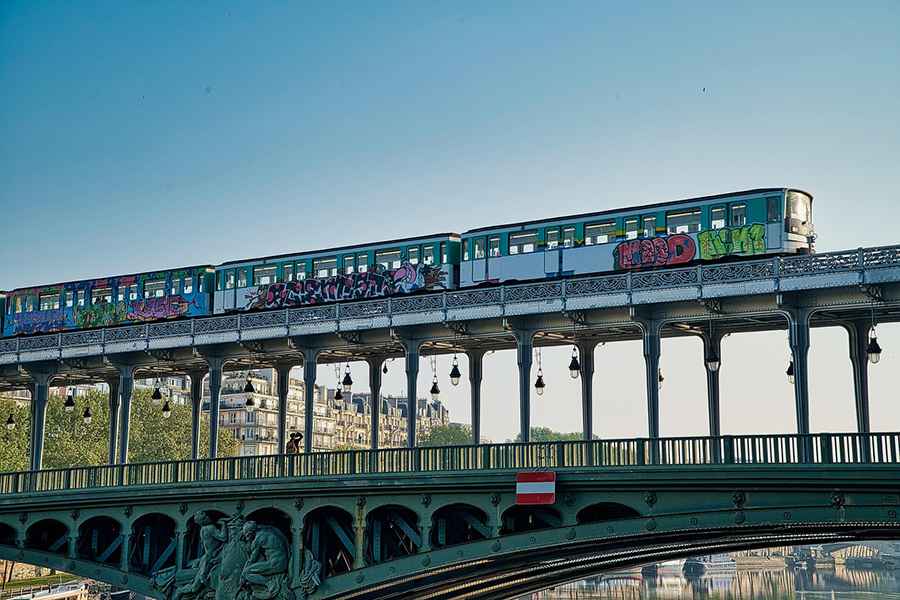
Quite an unusual railroad but one deserving every ounce of your attention - Paris Metro Line 6. The secret lies in the name; this train ride consists solely of getting to know the capital city of France as it never leaves its borders. However, you will be pleasantly surprised that the metro travels above Paris on the upper trails, allowing you a different point of view of the city! The railway crosses River Seine two times, on the Pont du Bercy and Pont du Bir Hakeim, and goes from Bercy to Trocadero. So get to know this extraordinary city differently!
Cote D’Azur
Only €15 for a full-day trip across the French Riviera! With white-sand beaches and the blue Meditteranean Sea, Cote D’Azur is one of the most popular railroads in France! You can explore relaxing resorts and ports while traveling from Cannes to Antibes, or Eze Plage, crossing Nice, but if you are really up to dialing the journey to its max, the Cote D’Azur railway will take you all the way to Italy! You can also reach Monaco during the same ride, so really, the possibilities are endless.
Bergerac to Le Buisson
Quite the luxurious ride, the railroad between Bergerac to Le Buisson only takes 45 minutes, but every one of them will be exciting due to the lovely locations you will be passing. So get ready for almost a full hour of vineyards, maize fields, and chestnut woods. The viaducts and unspoiled forests you will cross creates the perfect merge of modern style and natural landscapes. The locomotives are well-equipped and futuristic, so you will definitely have a comfortable journey!
There you go! 10 stunning train rides that will have you knowing France like nothing else. Make sure to purchase tickets in advance, as these routes are quite popular. Other than that, sit back and enjoy. Bon Voyage!