Motorcycle Fatality Hotspots: Analyzing the UK’s Highest-Risk Arteries
Recent analysis of government crash data reveals a stark contrast in motorcycle safety across the United Kingdom. While urban congestion in London accounts for the highest volume of incidents, rural A-roads in regions like Wales present a significantly higher risk of fatal outcomes. For riders, understanding these patterns is the first step toward effective risk management on the road.
| UK Biker Risk: Statistical Breakdown | |
|---|---|
| Most Dangerous Road Type | A-roads (71% of all accidents) |
| Primary Demographic | Males (92% of victims), 37% aged 25 or under |
| Vehicle Profile | 500cc engines or larger (Enthusiast-led incidents) |
| High-Risk Timing | Friday afternoons and Sunday mid-day |
The Urban Paradox: London’s Congested Corridors
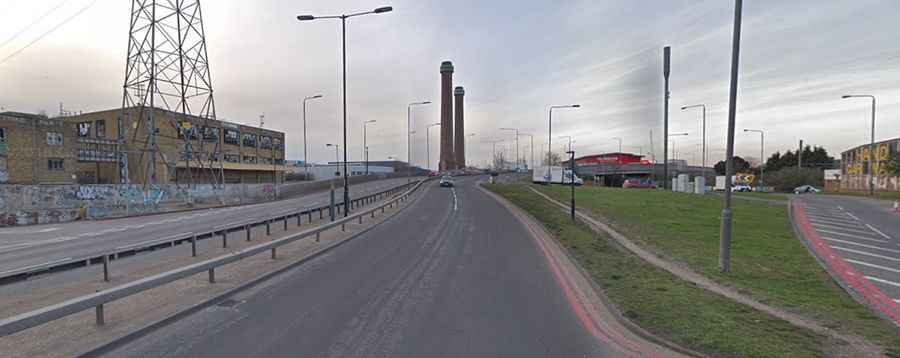
In the urban landscape of London, the high frequency of motorcycle accidents is driven by density and distraction. Routes such as the A23 (Lambeth), the A404 (Brent), and the A10 (Hackney) consistently top the charts for total incident volume. In these zones, the danger isn't the road's geometry, but the "filtering" maneuvers and junction conflicts with buses and taxis. Unlike rural areas, urban accidents are often less lethal but occur with a relentless frequency that targets daily commuters.
The Rural Threat: The A483 in Wales
While London dominates in total numbers, the A483 in Powys, Wales, represents a more traditional "Dangerous Road" profile. This scenic route is a favorite for enthusiasts on high-performance bikes. The risk here is mechanical and environmental: high-speed sweepers, unpredictable weather, and sheep on the road. Statistics show that 83% of crashes in these scenic areas occur during fine weather—suggesting that overconfidence and excessive speed in ideal conditions are the primary killers.
Technical Risk Factors for Motorcyclists
Data from road safety organizations highlights several critical factors that every rider should consider before hitting the road:
- Severity Rate: One in three motorcycle accidents in the UK results in a serious or fatal injury, a ratio significantly higher than for car occupants.
- The "Sunday Effect": Midday on Sunday is the peak time for fatal accidents involving large-capacity motorcycles (500cc+), often involving leisure riders on rural A-roads.
- Commuter Rush: Thursday at 5:00 PM is the second most dangerous time, coinciding with peak fatigue during the evening commute.
- Demographics: Young men remain the highest-risk group, necessitating a focus on advanced post-test training and defensive riding techniques.
Conclusion: Data-Driven Safety
Whether navigating the chaotic A3 in Wandsworth or the technical bends of the Welsh mountains, bikers must adapt their riding style to the specific hazards of the environment. Recognizing that A-roads are the primary site for 71% of motorcycle crashes allows riders to maintain a higher state of "situational awareness" where it matters most. Safety isn't just about following the law; it's about anticipating the statistics before you become one.