How to Avoid Overpaying for a Used Car in the UK
Buying a used car is one of the most cost-effective ways to own a vehicle in the UK, but it also comes with risks. While thousands of used cars are listed for sale every day, not every asking price reflects the vehicle's true market value. Some cars are overpriced because of high demand, while others may hide problems that could cost you far more after the purchase.
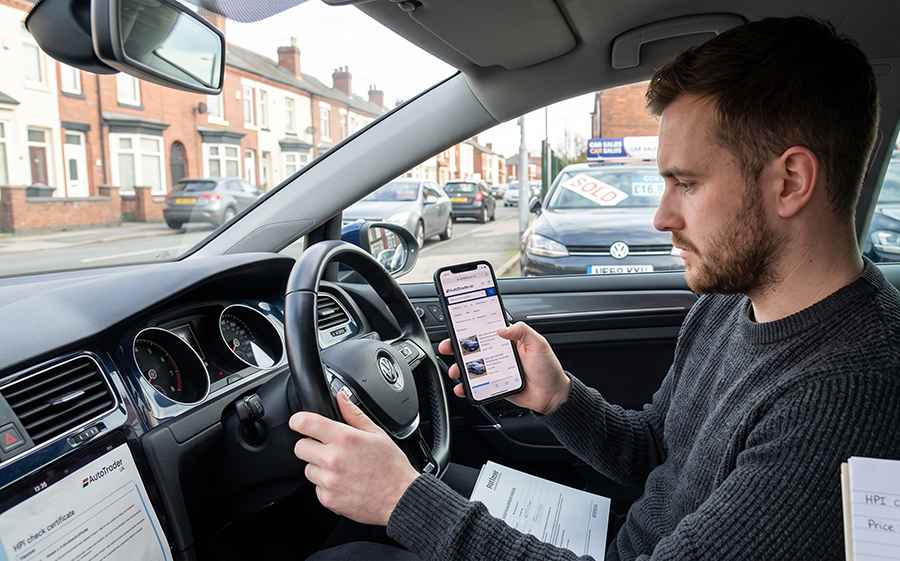
Whether you're buying from a dealership or a private seller, doing your research before handing over your money can save you thousands of pounds. Understanding what affects a vehicle's value, checking its history and comparing similar models are all essential steps towards making a smarter buying decision. Before you commit to a purchase, get an accurate car valuation with CheckCarValue to understand what the vehicle is worth in today's market and negotiate with confidence.
Start by checking the car's market value
The first thing every buyer should do is Check the car value before arranging a viewing. Many buyers assume the advertised price is fair, but this isn't always the case. A vehicle's value depends on several factors, including its age, mileage, specification, condition and current market demand.
Checking the market value gives you a realistic benchmark before you begin negotiating. It also helps you identify vehicles that may be overpriced or unusually cheap, allowing you to focus on listings that genuinely offer good value.
Instead of relying on guesswork, use valuation data to understand what similar vehicles are selling for across the UK.
Don't judge a car by its appearance
A shiny exterior can hide expensive problems. Likewise, a car with a few cosmetic marks may actually be a much better purchase if it has been properly maintained.
When comparing used cars, look beyond the paintwork and consider the overall ownership history. A vehicle with regular servicing, consistent mileage records and documented maintenance often represents better long-term value than one that simply looks impressive.
It's also worth comparing several similar vehicles before making a decision. Looking at multiple examples helps you understand the average market price and gives you greater confidence when negotiating.
Understand what affects a vehicle's value
Many buyers believe age and mileage are the only things that determine a vehicle's worth, but the reality is far more complex.
Several factors influence how much a used car is worth, including its service history, MOT record, overall condition, previous ownership, optional features and even seasonal market demand. Cars with a full maintenance history and evidence of responsible ownership generally retain their value better than poorly maintained examples.
This is why two identical models of the same age can have noticeably different asking prices.
Review the vehicle's history carefully
Before committing to a purchase, spend time reviewing the vehicle's background. A history check can reveal information that isn't immediately visible during a viewing or test drive.
As a minimum, you should review:
- MOT history and advisories
- Recorded mileage
- Previous keeper information
- Outstanding finance
- Insurance write-off status
- Theft records, where available
Many buyers also choose to carry out a free car history check through CarAnalytics, the trusted partner of Check Car Value. Combining a vehicle history check with a valuation gives you a more complete understanding of the car before making an important financial decision.
Check the service history
A complete service history is one of the strongest indicators that a vehicle has been looked after properly.
Regular oil changes, brake servicing, timing belt replacements where required and manufacturer-recommended maintenance all demonstrate responsible ownership. Vehicles with comprehensive service records are often more reliable and may command stronger resale values in the future.
If service documentation is missing or incomplete, ask the seller why. Missing records aren't always a deal-breaker, but they should encourage you to investigate further.
Think beyond the purchase price
Buying a car is about much more than agreeing on a selling price. Ongoing ownership costs can significantly affect the overall value of your purchase.
Before buying, consider insurance premiums, fuel economy, Vehicle Excise Duty, servicing costs, replacement tyres and potential repair bills. A slightly more expensive vehicle with a proven maintenance record may cost less to own over several years than a cheaper vehicle needing immediate repairs.
Looking at the total cost of ownership will help you make a better financial decision.
Inspect and test drive the vehicle
Never buy a used car without inspecting it thoroughly and taking it for a proper test drive.
Pay close attention to the condition of the bodywork, tyres, interior, brakes and dashboard warning lights. During the test drive, listen for unusual noises, check how smoothly the gearbox operates and ensure the steering and brakes feel responsive.
If you're unsure about the mechanical condition, an independent inspection can provide additional reassurance before you commit to buying.
Negotiate with confidence
Knowledge is one of your strongest negotiating tools.
If you've already checked the vehicle's market value, reviewed its history and compared similar models, you'll be in a much stronger position to discuss the asking price. If the car needs new tyres, has cosmetic damage or is overdue for servicing, these points can support a fair negotiation.
Don't feel pressured into making a quick decision. Walking away from an overpriced vehicle is often the smartest choice, as another opportunity is usually just around the corner.
Make informed decisions with accurate valuation
Every vehicle has more than one value. The amount a dealer offers in part exchange may differ from a private sale price, while auction values and dealer forecourt prices can vary even further.
Understanding these different valuation bands gives you a clearer picture of what a vehicle is genuinely worth. It also helps you decide whether you're receiving a fair offer when buying, selling or negotiating.
Final thoughts
Buying a used car doesn't have to be stressful. By researching the market, reviewing the vehicle's history and comparing similar models, you can reduce the risk of paying more than you should.
Before you buy, sell or negotiate, get an accurate car valuation with Check Car Value. Compare trade, private sale, part-exchange, auction and dealer forecourt values to understand your vehicle's true market worth and negotiate with confidence.