The used car checking mistake that costs UK buyers thousands every year
Picture two buyers. Both find a used car they like. Both view it, both test drive it, both negotiate the price down a little. One of them runs a vehicle history check before signing anything. The other does not, because the car looked fine, the seller seemed honest, and a check felt like an unnecessary extra step.
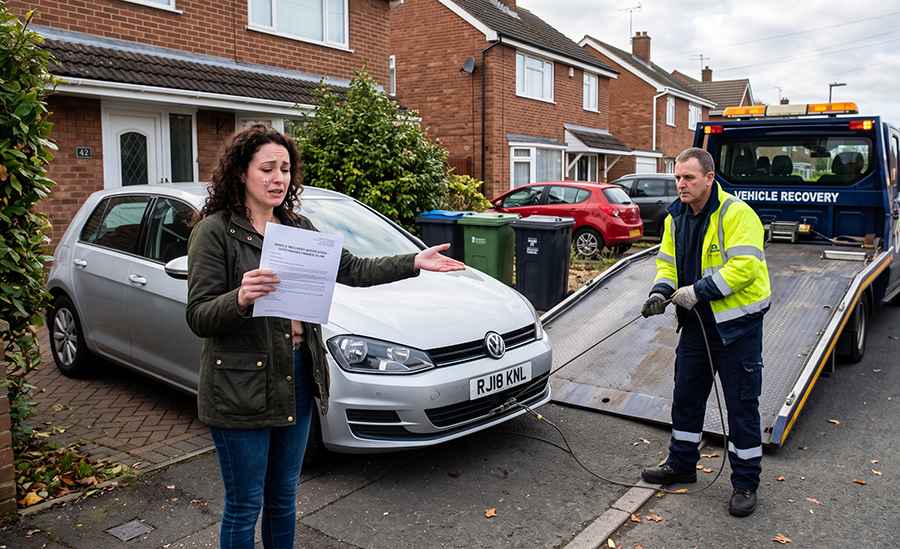
Six months later, one of those buyers has a car that works exactly as expected. The other gets a letter from a finance company explaining that the car they bought still has £4,200 owing on it, and the finance company intends to recover the vehicle.
This is not a rare scenario. It is one of the most common and most expensive mistakes in the UK used car market, and it happens because buyers either skip the check entirely or assume a quick look at the car tells them everything they need to know.
Why visual inspection cannot catch the problems that matter most
There is a persistent assumption among used car buyers that you can tell a lot about a car just by looking at it and driving it. To an extent that is true. You can assess the bodywork, listen for unusual noises, check the interior wear, and get a feel for how it drives.
None of that tells you whether the car has outstanding finance. None of it reveals a previous insurance write off that has been repaired to a high standard. None of it shows whether the mileage has been altered, or whether the car has been reported stolen.
These problems exist in records, not in the metal of the car itself. A car with £8,000 of outstanding finance drives identically to one with none. A repaired Category S write off can look better than a car that has never been touched. The only way to find these things out is to check the history, and the only place that history exists is in official and commercial databases that a physical inspection cannot access.
What actually happens when you buy a car with hidden finance
This is the scenario that catches out the most buyers, and it is worth understanding exactly how it unfolds.
A seller bought their car using a hire purchase or personal contract purchase agreement. Under that kind of finance, the finance company technically owns the car until the final payment is made. The seller is making payments and has full use of the car, but legal ownership sits with the lender.
If that seller then sells the car privately before the finance is paid off, without disclosing the outstanding agreement, the buyer has unknowingly purchased a vehicle they do not legally own. Even though the buyer paid in good faith and had no way of knowing about the finance just from looking at the car, the finance company retains a legal claim. Under UK law, in most private sale circumstances, the finance company can repossess the vehicle from the new owner.
The buyer loses the car. The buyer also typically loses the money paid to the seller, because pursuing the seller for a refund after the fact is difficult, particularly if the seller cannot be located or has no assets to recover from.
This entire situation is avoidable with a single check before purchase. A finance check searches commercial databases that record active hire purchase and PCP agreements against a vehicle's registration number. If an agreement exists, the report shows it. The buyer then knows to ask questions, request proof of settlement, or simply walk away before any money changes hands.
The repaired write off that nobody mentioned
The second common scenario involves insurance write offs. When an insurer assesses a damaged vehicle as uneconomical to repair under their own criteria, they declare it a total loss and assign a category. Depending on the category, the vehicle can sometimes be professionally repaired and legally returned to the road.
A well executed repair can be difficult or impossible to detect by eye, particularly for buyers without specialist knowledge of structural repair standards. The car drives normally, looks normal, and may even come with a service history. What it will not come with, unless the seller chooses to disclose it, is any mention of the write off in conversation.
Sellers are not always being deceptive when this happens. Some genuinely do not know their car has write off history, particularly if they are several owners removed from the incident. Others know but assume it does not matter since the repair was done properly.
Either way, a write off history affects the value of the car, can affect insurance premiums, and is something a buyer has a right to know before agreeing a price. A history check surfaces this immediately, including which category the write off was, which tells you whether the damage was structural or cosmetic.
Why some buyers still skip the check
Given how serious these risks are, it is worth understanding why buyers skip the check anyway. The reasons tend to fall into a few categories.
- They trust the seller. Particularly common in private sales between people who feel a personal connection, or where the seller comes across as straightforward and honest. Trust is not the same as verification, and even honest sellers can be unaware of issues with their own car.
- They assume the price reflects honesty. A reasonably priced car feels less likely to have hidden problems. Price has very little correlation with whether finance is outstanding or whether the car has write off history.
- They think the check is expensive or complicated. This was historically a fair concern, when a single check could cost close to £20 and felt like an unnecessary expense on top of an already significant purchase.
- They are in a hurry. Popular used cars sell quickly, and buyers under pressure to secure a car before someone else does sometimes skip steps they would otherwise take.
The first two reasons are addressed simply by understanding that visual trust and price are not reliable indicators of hidden problems. The second two reasons are largely outdated, because the cost and complexity of running a proper check have both come down considerably.
The cost argument no longer holds up
For years, the most established name in vehicle history checks in the UK was the HPI check, and it has historically commanded prices considerably above £15 to £20 for a single report. That price point made some buyers think twice, particularly when checking more than one car.
The market has changed considerably. There are now several established providers offering the same underlying coverage, drawing from the same official sources including the DVLA, the Police National Computer, and commercial finance databases, at a fraction of that price.
Comparing the cost of a check against the potential loss makes the argument fairly straightforward. A full vehicle history report typically costs somewhere between £5 and £11 depending on the provider and whether you buy a bundle. The average outstanding finance amount found on UK vehicles when checks flag an issue is often in the thousands of pounds. There is no reasonable version of that maths where skipping the check makes financial sense.
For buyers specifically looking to move away from the higher cost HPI branded check without losing any coverage, it is worth comparing what each provider actually includes rather than assuming price differences mean different data quality. You can check HPI alternative on CarAnalytics options that cover the same finance, stolen, and write off checks at a considerably lower cost per report.
What a proper check should include
Not every check labelled as a full history report covers the same ground. Before relying on any provider, confirm the report actually includes:
- Outstanding finance. The single most financially significant check available. Confirm this is included and not sold as a separate add on.
- Police stolen marker. Checked against the Police National Computer, the official UK source for stolen vehicle records.
- Insurance write off status with category. Knowing a car was written off is useful. Knowing whether it was Category A, B, S or N tells you whether the damage was structural and whether the car should have returned to the road at all.
- Mileage verification. Cross referenced against MOT history to flag potential clocking.
- Plate and keeper history. Registration number changes and the number of previous owners, both of which can indicate a disrupted or concerning ownership history.
A comprehensive comparison of what different UK providers charge and what each one actually covers is available in CarAnalytics breakdown of cheapest HPI check providers, which sets out pricing and coverage side by side so buyers can make an informed choice rather than assuming all providers are equivalent.
The habit that separates confident buyers from lucky ones
Plenty of people buy used cars without ever running a history check and never run into a problem. That does not mean the check was unnecessary. It means they got lucky.
The buyers who consistently avoid these expensive mistakes are not more careful in some general sense. They simply treat the check as a non negotiable step, the same way most people would not skip reading a contract before signing it. The car is a financial and legal commitment. The check is how you understand what you are actually committing to.
It takes a few minutes. It costs less than most people spend on a single takeaway. Against the realistic cost of buying a car with hidden finance or undisclosed write off history, there is no version of the argument where skipping it makes sense.